4 Days in Nepal Tour
Four days is the minimum for a Nepal trip that feels real rather than transactional. It is also, counterintuitively, one of the most common durations for international visitors: a long weekend extended by a day’s leave, a stopover on a wider Asia journey, a first trip to test whether Nepal is a place worth coming back to for longer. The answer is almost always yes.
What four days cannot do is cover multiple major regions properly. Nepal is compact but not small. Kathmandu to Pokhara is 200 kilometers by road and six hours of driving. Kathmandu to Chitwan is 150 kilometers and five hours. Trying to combine all three in four days means spending the equivalent of a full day in transit and arriving everywhere tired. The itineraries in this guide are designed around the opposite philosophy: choose one region or one type of experience and go deep into it. Four full days in the Kathmandu Valley is an extraordinary cultural immersion. Four focused days in Pokhara and the Annapurna foothills produces a mountain experience that many one-week travelers envy. Four days on the Nagarkot-Dhulikhel-Namobuddha walking circuit is a masterclass in quiet Nepal.
This guide presents ten completely distinct four-day Nepal itineraries alongside an honest and specific guide to the best activities available in this window. The content here is deliberately different from any other four-day Nepal planning resource you will find. Every itinerary prioritises depth over coverage. Every activity description focuses on the specific, practical detail that actually helps you decide. Everything starts and ends in Kathmandu.
The Four-Day Principle — One Direction, Done Well
Every experienced Nepal guide will tell you the same thing about short trips: the travelers who leave satisfied are those who picked one corner of the country and explored it properly. The ones who feel disappointed are almost always those who tried to move between Kathmandu, Pokhara, and Chitwan in four days and spent the equivalent of an entire day in vehicles or airports between experiences.
Four days works brilliantly when the choice is clear and committed. The Kathmandu Valley alone contains enough material for a week-long cultural journey, and four days spent going properly deep into its heritage, valley rim walks, sacred sites, and medieval cities produces something more memorable than a week spent rushing between the Golden Triangle cities. The same is true of Pokhara: four days in the Annapurna foothills with mornings on the mountain ridge and evenings by the lake is a complete and deeply satisfying trip on its own terms.
The ten itineraries in this guide each commit to this principle. Some are Kathmandu-centred. Some are Pokhara-centred. Some stay within the valley rim walking circuit. Two involve domestic flights. One involves a helicopter. All of them are complete experiences in themselves.
Nepal’s Best Activities for Four Days
These are the experiences that work best in a four-day window. Each entry gives specific, practical detail about what the experience actually involves, not just a name and a postcard description.
1. Kathmandu Heritage Circuit
The Kathmandu Valley is one of the most culturally concentrated places on earth, with seven UNESCO World Heritage Sites within a 20-kilometre radius. Two full days in Kathmandu, without rushing, visits the main spiritual and heritage sites while allowing time to actually absorb what you are seeing rather than simply photograph it. The following five experiences are the essential core of any Kathmandu cultural visit.
- Pashupatinath Temple and the Bagmati River: Nepal’s most sacred Hindu site is best experienced at two different times of day. In the morning the riverside burning ghats and the bathing pilgrims have a timeless quality. In the evening the aarti ceremony, performed by white-robed priests as the sun sets, the Bagmati River lit by burning lamps and the sound of devotional music filling the ghats, is one of the most powerful ritual experiences available to any traveller anywhere in Asia. Do not skip the evening aarti in favour of an earlier time slot.
- Boudhanath Stupa at dawn: The 36-metre stupa is one of the world’s largest Buddhist monuments and the global centre of Tibetan Buddhist practice outside Tibet. The pre-dawn circumambulation walk begins at 5:30 AM when monks from the surrounding monasteries perform their morning rituals, butter lamps line the plinth, and the sounds of chanting drift down from the gompa windows above. The experience at this hour bears almost no resemblance to the same place at 10:00 AM when the tour groups arrive.
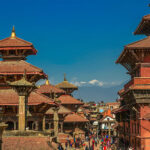
- Bhaktapur Durbar Square: Nepal’s finest preserved medieval city takes at minimum a full morning to walk properly. The Nyatapola Temple (built 1702, five tiers, Nepal’s tallest pagoda) and the Golden Gate on the main square are well known. Less visited but equally rewarding are the Dattatreya Square at the eastern end of the city, the Peacock Window in the Pujari Math, and the Pottery Square where traditional wheel-thrown earthenware is made and sold as it has been for centuries. Bhaktapur’s famous juju dhau (yoghurt served in clay pots) is not optional.
- Patan Durbar Square and Museum: The Patan Museum occupies the old royal palace on the Durbar Square and holds one of Asia’s finest collections of Buddhist and Hindu metalwork. The courtyard with the gilded Krishna Temple and the bronze statues is beautiful at any hour. The museum itself takes two hours to appreciate fully and is one of Nepal’s most underrated experiences. Allow an afternoon here.
- Swayambhunath at sunrise: The hilltop stupa at 77 metres above the valley floor is reached by a staircase of 365 stone steps. The resident rhesus monkey population makes the climb entertaining. From the summit platform the city of Kathmandu spreads below in every direction, with the Himalayan chain visible to the north on clear mornings. The watching eyes of the Buddha on the gilded spire above have looked out over this valley since the 5th century CE.
2. Nagarkot Sunrise and Valley Rim Hike
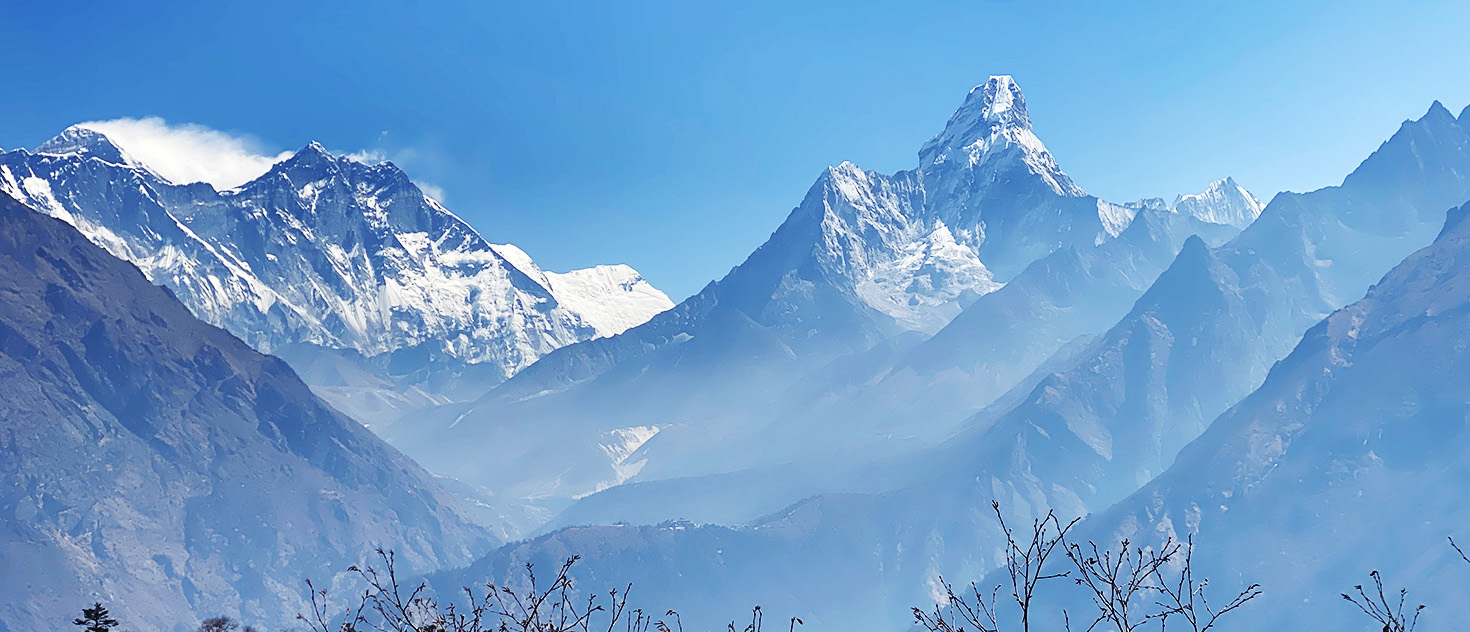
Nagarkot at 2,175 metres on the eastern rim of the Kathmandu Valley is Nepal’s most celebrated Himalayan sunrise viewpoint accessible entirely by road. On clear mornings from October to April, the panorama from the hilltop viewpoints stretches from Annapurna and Manaslu in the west through Ganesh Himal, Langtang Lirung, and Dorje Lakpa overhead, to Gaurishankar, Melungtse, Numbur, and the distant outline of Everest and Kanchenjunga in the east. It is the broadest single-viewpoint Himalayan panorama accessible from any road in Nepal.
The valley rim hike from Nagarkot to Dhulikhel is one of Nepal’s finest short ridge walks. The trail drops gradually from Nagarkot along a forested ridge with Himalayan views to the north, passes through the small hilltop settlements of Kavre and Nala, and reaches Dhulikhel after four to five hours of easy to moderate walking. Dhulikhel at 1,550 metres is a charming small Newari town with excellent guesthouses, a working central square, and views of Ganesh Himal and Dorje Lakpa from the hilltop temple. From Dhulikhel the walk continues via easy forest trails to Namobuddha the following morning. The entire Nagarkot-Dhulikhel-Namobuddha circuit is one of the most enjoyable valley rim walking routes in Nepal for its combination of mountain views, forest paths, and authentic village life.
3. Namobuddha Monastery and Balthali Village
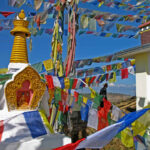
Namobuddha Monastery stands on a forested ridge 38 kilometres east of Kathmandu in the Kavrepalanchowk district and is one of the most sacred Buddhist sites in the Himalayan world. A stupa at the monastery marks the exact spot where the Bodhisattva — the Buddha in a previous life — offered his body to feed a starving tigress and her cubs, a story depicted in detailed painted stone panels around the base of the stupa. The setting is extraordinary: a monastery on a forested hilltop with views of the Himalayan chain and the valley below, prayer flags strung between trees, the smell of juniper incense, and the sound of monks in the gompa.
Balthali village at 1,730 metres is a 90-minute walk from Namobuddha through apple and plum orchards and terraced farmland. It is a traditional farming community whose income from tourism supplements rather than replaces its agricultural identity. The accommodation at Balthali is in simple but comfortable lodges with mountain views from the terrace. Panauti, reached from Balthali in two hours, is a medieval Newari river town at the confluence of the Roshi and Punyamati rivers with the finest surviving 13th-century temple architecture outside the main Kathmandu Valley sites. The complete Namobuddha-Balthali-Panauti walking sequence is one of the most original and least crowded cultural trekking routes available within reach of Kathmandu.
4. Panchase Trek from Pokhara
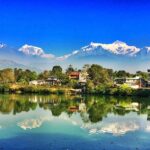
The Panchase trek begins with a boat crossing of Phewa Lake, which is one of the finest possible openings to any Nepal trek: Machhapuchhre reflected in the still early-morning water, the temple island to one side, and the forested hillside ahead where the trail starts. The route climbs from the western lakeshore through dense rhododendron and oak forest to the sacred Panchase ridge at 2,517 metres, where the Annapurna panorama is wide, unobstructed, and visited by a fraction of the trekkers who crowd the main Poon Hill ridge. The descent goes through Bhadaure, a genuine Gurung farming village with minimal tourist infrastructure, and returns to Pokhara by road through Naudanda. The two-day Panchase circuit combined with one day of Pokhara adventure activities and one Kathmandu arrival day makes one of the most satisfying four-day Nepal itineraries available. No ACAP permit required. Easy to Moderate difficulty.
5. Australian Camp and Ghachowk Trek
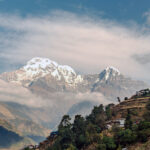
Australian Camp at 2,060 metres is one of the finest accessible viewpoints in the lower Annapurna region. The ridge gives a complete Annapurna panorama: Annapurna South, Annapurna I, II and III, Machhapuchhre, Lamjung Himal, and Manaslu visible on a clear day. The trail from Kande takes two to three hours of easy walking through Gurung villages and rhododendron forest. No ACAP or TIMS permit is required for the standard Australian Camp route. The descent via Dhampus and Phedi is equally pleasant.
Ghachowk village at 1,500 metres is a less-visited addition to the Australian Camp circuit that most four-day itineraries overlook. A Gurung village on the ridge above Pokhara with direct views of the Annapurna range, Ghachowk is accessible on foot from Australian Camp via a ridge trail or by road from Pokhara as a separate destination. The village has community-run homestays that offer a more genuinely immersive experience than the standard teahouse on the Poon Hill circuit. Traditional Gurung cooking, a guided village walk with a local elder, and an evening on the terrace watching the Annapurna range colour in the last light make Ghachowk one of the most rewarding genuine cultural experiences available in the Pokhara region.
6. Pokhara Activities
Pokhara is Nepal’s adventure capital and one of its most relaxed cities simultaneously. For four-day itineraries centred on Pokhara, the following activities cover the full range of what the city offers in two days.
- Sarangkot sunrise at 1,590 metres: Arrive before 5:30 AM. The Annapurna range from Dhaulagiri to Machhapuchhre catches the first light in full. Nothing else in the Pokhara region replicates this viewpoint from the ground.
- Tandem paragliding from Sarangkot: One of the world’s finest paragliding destinations. The morning thermal currents carry you to 1,800 metres above the valley. The Annapurna range fills the northern sky throughout the flight. A standard flight lasts 20 to 60 minutes. Cost: USD 80 to USD 120.
- Phewa Lake by wooden rowboat: Hire a boat from the lakeside and row to Tal Barahi temple on the island in the morning before the wind arrives. The reflection of Machhapuchhre in the still water at 7:00 AM is one of Nepal’s finest free experiences.
- Begnas Lake: 15 kilometres east of Pokhara, Begnas Lake is the quieter, less-developed alternative to Phewa. It is surrounded by farmland and forested hills with Annapurna II visible to the north. Kayaking on Begnas Lake in the morning, when the surface is still and the mountains are clear, is one of the most peaceful experiences in the Pokhara region. Largely unknown to most tourists visiting Pokhara.
- Gupteshwor Cave and Davis Fall: Located 30 minutes south of Lakeside, Davis Fall is a waterfall that plunges underground into a gorge. The adjacent Gupteshwor Cave holds a naturally occurring Shiva shrine and impressive stalactite formations. A 90-minute afternoon activity that most visitors skip in favour of the lake.
- International Mountain Museum: One of Nepal’s finest museums, documenting Himalayan mountaineering history, the cultural traditions of Nepal’s highland peoples, and the ecology of the high Himalaya. The summit register replicas and expedition equipment collections are extraordinary. Allow two hours.
7. Trishuli River Rafting
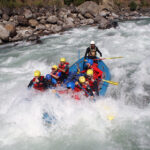
The Trishuli River runs parallel to the Prithvi Highway between Kathmandu and Pokhara, making it the most logistically accessible white-water rafting destination in Nepal. A half-day or full-day session on the Trishuli can be incorporated into any Kathmandu-to-Pokhara road transfer without any detour, adding a river adventure to the journey between cities. The standard rafting section from Charaudi covers 18 kilometres of Class 2 to 3 rapids through forested gorge scenery. Suitable for all ages including non-swimmers with provided equipment. A full-day session with lunch on the river and an overnight riverside camp adds the most memorable night of any four-day itinerary for travellers willing to sleep on a beach with the sound of the river.
8. Everest Panoramic Scenic Flight
A one-hour mountain flight from Kathmandu’s domestic terminal brings you within viewing distance of Everest, Lhotse, Makalu, Cho Oyu, Kangchenjunga, Dorje Lakpa, Ganesh Himal, and Langtang Lirung from a small aircraft flying at 6,700 metres. Every passenger gets a window seat. The flight departs at dawn for the best visibility. This is not a helicopter experience and does not involve a landing, but it delivers the most complete Himalayan aerial panorama available to any traveller in Nepal for approximately USD 180 to USD 220 per person. For four-day Kathmandu-centred itineraries where a trek or helicopter is not practical, the mountain flight is the best way to experience the scale of the high Himalaya from above.
9. Luxury Everest Helicopter Trek
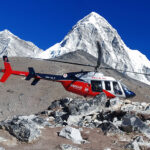
For travellers with a higher budget, the Everest helicopter trek compresses the Khumbu Sherpa experience into four days by flying to Lukla by helicopter and walking to Namche Bazaar or Tengboche before helicoptering back via a landing at Everest Base Camp or Gorak Shep at 5,364 metres. The helicopter return replaces the two-day walk back to Lukla and simultaneously delivers one of the most spectacular aerial Himalayan experiences available: a landing below the South Col of Everest, the Khumbu Icefall directly above, and a flyby of Kala Patthar at 5,545 metres before flying south to Kathmandu. Luxury lodge accommodation at Namche Bazaar replaces the standard teahouses. Two nights in the Khumbu and a helicopter flight to Base Camp in four total days is an experience that most EBC trekkers on 14-day itineraries never achieve regardless of how much time they spend walking.
10. Pharping and the Southern Valley Circuit
Pharping is one of the Kathmandu Valley’s most spiritually significant and least-visited destinations. Located 20 kilometres south of Kathmandu in the Dolakha foothills, the village holds three sacred Buddhist caves associated with Guru Rinpoche (Padmasambhava), the Indian master who brought Tantric Buddhism to Tibet in the 8th century. The caves are still active meditation sites used by Tibetan Buddhist practitioners who have come here on retreat for centuries. Adjacent to the caves is the Vajra Yogini shrine, one of the most powerful Tantric pilgrimage sites in the valley, and the Dakshinkali Temple at the valley’s southern end where the blood sacrifice tradition is maintained on Tuesdays and Saturdays.
The Pharping circuit, combined with the hilltop village of Chapagaon and a drive through the Lele Valley to the south, is one of the most original half-day to full-day experiences available in the Kathmandu Valley and one that almost no standard four-day tour itinerary includes. The Solid Rock Restaurant and Lodge in the area sits above the valley with views of the surrounding hills and serves as an ideal base for exploring the Dolakha foothills south of Kathmandu.
11. Newari Cooking Class and Food Culture
Newari cuisine is one of Nepal’s most distinctive and most underexplored food cultures, and a cooking class in Kathmandu or Bhaktapur is one of the finest ways to spend a morning during a four-day itinerary. Newari food is built around rice, lentils, fermented vegetables, buffalo meat, beaten rice (chiura), and an array of pickles and condiments that have been developed over centuries of Newari urban culture. A half-day cooking class with a local family in Bhaktapur or a Patan cooking school typically includes a market walk, preparation of five to six traditional dishes, and a shared meal with the host family. The experience is entirely practical — you cook, you eat, you take the recipes home — and it gives the Kathmandu heritage days a sensory dimension that sightseeing alone cannot provide.
10 Itinerary Ideas for 4 Days in Nepal
All ten itineraries start and end in Kathmandu. Each is designed for a specific type of traveller and a specific Nepal purpose. The opening description of each tells you directly who it is for.
Itinerary 1: Kathmandu Cultural Deep Dive
Four days in the Kathmandu Valley going properly deep: all seven UNESCO World Heritage Sites, a Nagarkot Himalayan sunrise, a Vespa heritage tour of the old city lanes, and an optional mountain flight on the final morning. No domestic flights required. No trekking. The right choice for travellers who came for culture, for heritage, and for the living spiritual life of one of Asia’s most extraordinary ancient cities. Easy throughout. Suitable for all ages.
Itinerary at a glance
Day 01 Arrive Kathmandu, welcome, Boudhanath pre-dawn kora walk (if late flight, Boudhanath on evening arrival) (overnight: Kathmandu)
Day 02 Kathmandu by vintage Vespa: Pashupatinath morning, Swayambhunath, Patan Museum, Kathmandu Durbar Square (overnight: Kathmandu)
Day 03 Bhaktapur full day (Nyatapola Temple, Pottery Square, Dattatreya Square, juju dhau), overnight Nagarkot (overnight: Nagarkot)
Day 04 Nagarkot Himalayan sunrise panorama, Changu Narayan temple (4th century CE), optional mountain flight, departure (overnight: Departure)
Day 2 on a vintage Vespa with a local guide is the element that distinguishes this itinerary from every standard Kathmandu heritage tour. The Vespa navigates the narrow lanes of Patan’s Mangal Bazaar neighbourhood, the alleyways behind Kathmandu Durbar Square, and the circumambulation path around Boudhanath at a pace and from a perspective that a tourist van simply cannot provide. The full circuit of Pashupatinath, Swayambhunath, Patan Museum, and Kathmandu Durbar Square is ambitious in a single day but entirely achievable on a Vespa without traffic delays. Day 3 belongs entirely to Bhaktapur: the city rewards a full day and the Nagarkot overnight at the end of it converts the drive to Nagarkot into the beginning of day 4 rather than the end of day 3. The Nagarkot sunrise panorama on day 4 stretches from Annapurna to Kanchenjunga. Changu Narayan on the way back to Kathmandu, Nepal’s oldest standing temple built in the 4th century CE with Lichchhavi-period stone carvings, is the right cultural conclusion before the departure.
Itinerary 2: Nagarkot-Dhulikhel-Namobuddha Valley Rim Trek
Four days on the eastern rim of the Kathmandu Valley: a Nagarkot sunrise, a ridge walk to Dhulikhel, a walking trail to Namobuddha Monastery, and two Kathmandu heritage days to open and close the circuit. No domestic flights. No altitude above 2,175 metres. One of the most original and least-crowded four-day Nepal itineraries available. Easy difficulty. Suitable for all ages and fitness levels.
Itinerary at a glance
Day 01 Arrive Kathmandu, welcome, Boudhanath evening kora walk, Pashupatinath morning of day 2 (overnight: Kathmandu)
Day 02 Kathmandu: Pashupatinath dusk aarti, Patan Durbar Square, drive to Nagarkot (2,175 m) in the evening (overnight: Nagarkot)
Day 03 Nagarkot sunrise panorama, hike ridge trail to Dhulikhel (4 to 5 hours), drive or walk to Namobuddha Monastery (overnight: Namobuddha)
Day 04 Namobuddha morning meditation and monastery, trek to Balthali or drive to Panauti, return to Kathmandu, departure (overnight: Departure)
The Nagarkot to Dhulikhel ridge walk on day 3 is one of the Kathmandu region’s finest underrated trail experiences. The path drops gradually along a forested ridge with the Himalayan chain visible to the north and the Kathmandu Valley visible to the south, passing through small hilltop settlements before reaching Dhulikhel’s traditional Newari streets. Namobuddha on the evening of day 3, approached by the simple forest walk from Dhulikhel, is the spiritual high point of the itinerary. The monastery on its forested ridge, with butter lamps burning in the shrines and the sound of monks chanting the evening prayers, has a quality of stillness that the main Kathmandu valley sites rarely achieve. Day 4 uses the morning for the Namobuddha meditation area and the descent walk to Balthali or the drive to Panauti before the return to Kathmandu for the departure. Bhaktapur can be added on the return as a final two-hour stop.
Itinerary 3: Panchase Trek and Pokhara
A boat crossing, a mountain ridge, Gurung village life, and Pokhara’s finest adventure activities in four focused days. The Panchase circuit combined with paragliding and Sarangkot sunrise. One Kathmandu arrival day. No ACAP permit required. Easy to Moderate difficulty. The most satisfying four-day itinerary available from Pokhara for first-time trekkers and families.
Itinerary at a glance
Day 01 Arrive Kathmandu, Pashupatinath dusk aarti, Boudhanath early morning, fly to Pokhara (overnight: Pokhara)
Day 02 Pokhara: Sarangkot pre-dawn sunrise, paragliding morning flight, boat across Phewa Lake, begin Panchase trek (overnight: Forest Camp)
Day 03 Trek Forest Camp to Panchase Ridge (2,517 m), complete Annapurna panorama, descend through Bhadaure Gurung village (overnight: Naudanda)
Day 04 Drive Naudanda to Pokhara, Phewa Lake morning, World Peace Pagoda, fly to Kathmandu, departure (overnight: Departure)
Day 1 is the busiest day of the itinerary because it concentrates Kathmandu into two essential experiences: the Pashupatinath evening aarti on arrival (achievable even after a midday landing) and the Boudhanath dawn walk before the Pokhara flight. The Pokhara arrival on day 1 evening sets up day 2’s double opening: Sarangkot before dawn for the mountain panorama, paragliding in the morning thermals for the aerial perspective, and then the boat crossing of Phewa Lake to begin the Panchase trek in the afternoon. The combination of paragliding over the valley and then walking into it on the same day creates a unique spatial understanding of the Pokhara landscape that neither activity alone provides. The Panchase ridge on day 3 at 2,517 metres delivers what the trek exists to deliver: the complete Annapurna panorama with no other trekking group in sight. Bhadaure village on the descent is a genuine Gurung farming community. Day 4 is the slow Pokhara conclusion before the departure flight.
Itinerary 4: Australian Camp and Ghachowk Village Trek
The most underrated trekking experience available from Pokhara in four days. Australian Camp’s Annapurna ridge combined with a night in Ghachowk community homestay. No permits required. One Kathmandu arrival day. A genuinely original four-day itinerary that gives travellers both the mountain views and the authentic Gurung village cultural experience that most standard Pokhara treks do not. Easy difficulty.
Itinerary at a glance
Day 01 Arrive Kathmandu, Pashupatinath or Boudhanath evening, fly to Pokhara (overnight: Pokhara)
Day 02 Pokhara: Sarangkot sunrise, drive Kande trailhead, trek to Australian Camp (2,060 m) (overnight: Australian Camp)
Day 03 Trek Australian Camp to Ghachowk village (1,500 m), community homestay, traditional Gurung cooking evening (overnight: Ghachowk)
Day 04 Ghachowk: early mountain view from village terrace, guided village walk, drive to Pokhara, fly to Kathmandu, departure (overnight: Departure)
The Ghachowk community homestay on day 3 is what makes this itinerary genuinely original. After the standard Australian Camp ridgeline experience on day 2, the descent to Ghachowk via the ridge trail brings you to a village that has only recently opened to community-based tourism. The homestay accommodation is simple by teahouse standards and extraordinary by experiential standards: you sleep in a family house, eat food cooked in a traditional Gurung kitchen, and the evening conversation through your guide about the village’s farming cycle, its Gurkha military history, and the changing life of a mountain Gurung community is the kind of encounter that most trekkers on the main Annapurna routes never get. The morning of day 4 on the Ghachowk terrace, with Annapurna South and the Pokhara valley below in the early light, is one of the finest quiet morning scenes in the entire Annapurna foothills.
Itinerary 5: Kathmandu Heritage and Mountain Flight
Two days of Kathmandu cultural immersion culminating in an early morning Himalayan panoramic flight over Everest, Lhotse, Kanchenjunga and the full eastern Himalayan chain. One Nagarkot overnight. Perfect for travellers on a business trip who want to maximise the cultural experience around a tight professional schedule, for transit passengers with four days between international flights, and for anyone who wants to see Everest from the air without a trek. Easy throughout. No domestic flights required except the optional mountain flight.
Itinerary at a glance
Day 01 Arrive Kathmandu, welcome, Boudhanath evening circumambulation, lakeside dinner in Thamel (overnight: Kathmandu)
Day 02 Kathmandu: Pashupatinath dusk aarti (previous evening if arriving late), Swayambhunath sunrise, Patan Museum, Bhaktapur afternoon (overnight: Kathmandu)
Day 03 Kathmandu: Newari cooking class morning, Kathmandu Durbar Square, drive to Nagarkot evening (overnight: Nagarkot)
Day 04 Nagarkot Himalayan sunrise, Himalayan panoramic mountain flight from Kathmandu (1 hour), Changu Narayan, departure (overnight: Departure)
The Newari cooking class on day 3 morning is the element that gives this itinerary its distinctive texture. A morning in a Bhaktapur cooking school or a Patan family kitchen, learning to prepare chiura (beaten rice), aalu tama (bamboo shoot potato curry), bara (black lentil pancakes), and a selection of traditional pickles, adds a sensory and participatory dimension to the Kathmandu cultural experience that sightseeing alone cannot. After the cooking class, the afternoon in Kathmandu Durbar Square and the evening drive to Nagarkot build toward the mountain flight on day 4. The panoramic flight from Kathmandu’s domestic terminal departs at dawn and brings you within viewing distance of Everest and the full eastern Himalayan chain from 6,700 metres altitude. Every passenger sits at a window. The flight takes one hour. Changu Narayan on the way back from the airport is the final heritage stop before departure.
Itinerary 6: Trishuli Rafting and Pokhara Adventure
Nepal’s finest accessible adventure activities packed into four days: Trishuli River white-water rafting, Pokhara paragliding, a Sarangkot sunrise ridge walk, and Phewa Lake by boat. No trekking above 1,600 metres. No altitude exposure. Right for travellers whose four days are for outdoor adventure rather than heritage or mountain trekking. Suitable for all ages. Easy to Moderate.
Itinerary at a glance
Day 01 Arrive Kathmandu, welcome, Pashupatinath evening aarti, Boudhanath early morning (overnight: Kathmandu)
Day 02 Drive Kathmandu toward Pokhara via Trishuli put-in (2 hours), half-day rafting Class 2 to 3 (18 km), continue to Pokhara (overnight: Pokhara)
Day 03 Pokhara: Sarangkot pre-dawn sunrise, tandem paragliding morning flight, World Peace Pagoda afternoon, lakeside evening (overnight: Pokhara)
Day 04 Pokhara: Begnas Lake kayaking morning (optional), Phewa Lake boat to island temple, fly to Kathmandu, departure (overnight: Departure)
The Trishuli rafting session on day 2 is added to the Kathmandu to Pokhara road transfer rather than requiring a separate day. The put-in at Charaudi is two hours from Kathmandu on the Prithvi Highway. The half-day session covers 18 kilometres of Class 2 to 3 rapids through a forested gorge with Ganesh Himal visible to the north. The drive continues to Pokhara by late afternoon, arriving in time for the lakeside sunset. Day 3 is the most activity-dense day: Sarangkot at 5:00 AM for the mountain panorama, the paragliding flight in the morning thermals (the thermal-powered tandem flight from Sarangkot with the full Annapurna range visible throughout is one of the finest 30 minutes available in any adventure sport anywhere in Nepal), and the World Peace Pagoda forest walk in the afternoon. Day 4 uses Begnas Lake for a quiet morning kayak before the Phewa Lake boat crossing and the departure flight. Begnas Lake, 15 kilometres east of Pokhara, is almost entirely unknown to short-stay tourists and offers the most peaceful lakeside paddling available in the Pokhara region.
Itinerary 7: Pharping, Chapagaon, and Kathmandu’s Hidden South
Four days exploring the Kathmandu Valley beyond its famous heritage trail. The southern valley — Pharping, Chapagaon, the Lele Valley, and the Dakshinkali Temple — combined with two days of the main Kathmandu circuit. A completely original itinerary that no standard guide produces for four days, and the right choice for returning Nepal visitors who have done the standard valley circuit and want something genuinely different. Easy throughout.
Itinerary at a glance
Day 01 Arrive Kathmandu, welcome, Boudhanath evening walk (overnight: Kathmandu)
Day 02 Kathmandu: Pashupatinath dusk aarti, Patan Museum, Swayambhunath sunrise (overnight: Kathmandu)
Day 03 Southern valley circuit: Dakshinkali Temple, Guru Rinpoche caves at Pharping, Vajra Yogini shrine, Chapagaon village, Lele Valley viewpoint (overnight: Kathmandu)
Day 04 Bhaktapur full morning, Changu Narayan temple, optional mountain flight or Nagarkot drive, departure (overnight: Departure)
Most four-day Kathmandu itineraries visit the same six or seven sites. This one goes south instead. Dakshinkali at the valley’s southern tip is one of Nepal’s most important Tantric Kali temples, set in a gorge where two rivers meet. On Tuesdays and Saturdays the blood sacrifice tradition is maintained; on other days the temple is quiet and the riverside setting is beautiful. The Guru Rinpoche caves at Pharping, 20 minutes north of Dakshinkali, are active Tibetan Buddhist retreat caves associated with the 8th-century Indian master who brought Tantric Buddhism to Tibet and is considered among the most important figures in Tibetan Buddhist history. The Asura Cave and the Yanglesho Cave above it are still used by meditators on retreat and can be visited in an atmosphere of genuine spiritual practice. Vajra Yogini shrine adjacent to the caves is one of the valley’s most powerful Tantric sites. Chapagaon village and the Lele Valley south of it add the rural Newari dimension. Day 4 finishes with Bhaktapur and Changu Narayan before departure.
Itinerary 8: Luxury Everest Helicopter Trek
The Khumbu Sherpa world in four days, via helicopter, with luxury lodge accommodation and a Base Camp landing. The most complete Everest region experience available in the shortest timeframe. Higher budget required. No trekking fitness required beyond the ability to walk uphill for two hours. Suitable for all ages in reasonable health.
Itinerary at a glance
Day 01 Arrive Kathmandu, welcome, Pashupatinath, Bhaktapur, Boudhanath evening, pre-departure briefing (overnight: Kathmandu)
Day 02 Fly by helicopter Kathmandu to Lukla, trek to Phakding (2,610 m) and Namche Bazaar (3,440 m) luxury lodge (overnight: Namche Bazaar)
Day 03 Namche: hike to Hotel Everest View (3,880 m), Khumjung village and Hillary School, Sherpa Museum, luxury lodge dinner (overnight: Namche Bazaar)
Day 04 Helicopter from Namche: Everest Base Camp landing at Gorak Shep (5,364 m), Kala Patthar flyby (5,545 m), fly to Kathmandu, departure (overnight: Departure)
Day 1 visits Kathmandu’s three most significant heritage sites in a single well-paced day: Pashupatinath in the morning, Bhaktapur in the afternoon, and Boudhanath in the evening. The helicopter to Lukla on day 2 departs early morning and flies over the Solu Khumbu foothills with the first high peaks visible ahead from the aircraft windows. Lukla is the starting point; Phakding and Namche Bazaar are reached by the same trail that every EBC trekker walks, but at a pace that allows genuine appreciation rather than summit-focused rushing. The luxury lodge at Namche provides a standard of comfort that the standard teahouse system cannot, and the view from the terrace — Everest, Lhotse, and Ama Dablam above the Namche amphitheatre at dawn — is one of the finest hotel views on earth. The Hotel Everest View hike on day 3 at 3,880 metres is the acclimatisation day used productively. Khumjung village and the Hillary School show the Sherpa community’s connection to its mountaineering heritage. The helicopter on day 4 morning arrives at Gorak Shep with the Khumbu Icefall and the South Col directly above. The landing at 5,364 metres, 15 to 20 minutes on the ground, is the defining moment of the entire itinerary.
Itinerary 9: Pokhara Immersion — Lake, Mountains, and Culture
Four full days in Pokhara and its immediate surroundings. The finest Pokhara experience available without a trek: the Sarangkot sunrise, paragliding, Phewa Lake at dawn and dusk, Begnas Lake kayaking, the International Mountain Museum, the World Peace Pagoda, Davis Fall and Gupteshwor Cave, a lakeside yoga session, and the Sarangkot to Dhampus morning walk. One Kathmandu arrival day. Right for travellers who want to know Pokhara deeply rather than visit it briefly. Easy throughout. Suitable for all ages.
Itinerary at a glance
Day 01 Arrive Kathmandu, Pashupatinath or Boudhanath evening, fly to Pokhara (overnight: Pokhara)
Day 02 Pokhara: Sarangkot sunrise (5:00 AM), Sarangkot to Dhampus morning walk (2 hours), paragliding flight, lakeside afternoon (overnight: Pokhara)
Day 03 Pokhara: Begnas Lake kayaking morning, International Mountain Museum afternoon, World Peace Pagoda evening walk (overnight: Pokhara)
Day 04 Pokhara: Davis Fall and Gupteshwor Cave morning, Phewa Lake rowboat, lakeside yoga session, fly to Kathmandu, departure (overnight: Departure)
This itinerary treats Pokhara as a destination rather than a stopover, which is how the city deserves to be treated. The Sarangkot to Dhampus morning walk on day 2 follows the trail from the viewpoint down through forest and Gurung villages to Dhampus (2 hours, easy, predominantly downhill) after the sunrise, combining the mountain viewpoint experience with a gentle trail walk before the paragliding flight. No other standard four-day Nepal itinerary combines these three Sarangkot elements in a single morning. Begnas Lake on day 3 is the specific choice that differentiates this itinerary from the standard Pokhara circuit. Kayaking on Begnas Lake at 7:00 AM, when the surface is perfectly still and Annapurna II is reflected in the water, is one of the most serene and beautiful activities available in the Pokhara region and is almost entirely unknown to tourists on short visits. The International Mountain Museum gives the afternoon of day 3 genuine depth. The lakeside yoga session on day 4 is the perfect slow conclusion to four active days before the departure flight.
Itinerary 10: Kathmandu, Chitwan One Night, and Departure
Two Kathmandu heritage days, one Chitwan wildlife night, and a morning departure. For travellers who want a taste of Nepal’s jungle alongside the valley heritage in four days. The most varied four-day Nepal itinerary possible in terms of landscape, culture, and wildlife. Easy throughout. The Chitwan allocation is one night rather than two, which delivers a single jeep safari and river canoe rather than the full two-day wildlife experience. For travellers who accept this constraint, the contrast between Kathmandu temples and Chitwan jungle in four days is deeply memorable.
Itinerary at a glance
Day 01 Arrive Kathmandu, welcome, Boudhanath evening walk (overnight: Kathmandu)
Day 02 Kathmandu: Pashupatinath morning, Bhaktapur full afternoon, Patan Museum, Swayambhunath sunrise day 3 (overnight: Kathmandu)
Day 03 Kathmandu: Swayambhunath sunrise, Kathmandu Durbar Square, fly to Bharatpur (30 min), arrive Chitwan lodge, evening nature walk (overnight: Chitwan)
Day 04 Chitwan: 6:00 AM jeep safari, Rapti River dawn canoe, fly to Kathmandu, Changu Narayan afternoon, departure (overnight: Departure)
The Swayambhunath sunrise on day 3 morning gives Kathmandu its final beautiful moment before the Chitwan flight. The 30-minute Bharatpur flight on day 3 brings you from the medieval valley to the subtropical Terai in half an hour — a transition that never stops feeling extraordinary regardless of how many times Nepal travellers make it. The Chitwan arrival on day 3 afternoon allows time for the lodge orientation, an evening nature walk, and the Tharu cultural welcome programme. Day 4 uses the morning for the 6:00 AM jeep safari into the park (one-horned rhino sightings are virtually guaranteed; the early morning light through the sal forest is one of Nepal’s most beautiful natural scenes), then the Rapti River canoe at dawn when the gharial crocodiles bask on the sand banks. The flight back to Kathmandu on day 4 midday leaves the afternoon for Changu Narayan temple on the way to the airport for the international departure.
Planning Your Four Days
The One Rule for Four Days
Choose one region and stay in it. Travellers who spend four days moving between Kathmandu, Pokhara, and Chitwan typically spend six to eight hours of their 96 hours in vehicles or airports. Travellers who spend four days in the Kathmandu Valley, or four days in Pokhara and its foothills, experience Nepal at a pace where it actually reveals itself. The ten itineraries above are all built around this rule. None of them try to cover all three major regions in four days.
How to Choose Your Itinerary
- Itinerary 1 (Kathmandu Cultural Deep Dive) is for cultural travellers who want the full Kathmandu valley heritage circuit.
- Itinerary 2 (Nagarkot-Dhulikhel-Namobuddha) is for walkers who want the valley rim experience with mountain views and sacred sites.
- Itinerary 3 (Panchase Trek and Pokhara) is for first-time trekkers who want mountain views from a quiet trail.
- Itinerary 4 (Australian Camp and Ghachowk) is for travellers who want an original Gurung village cultural experience alongside the trekking.
- Itinerary 5 (Kathmandu Heritage and Mountain Flight) is for business travellers and transit visitors who want the full Kathmandu circuit and a Himalayan aerial experience.
- Itinerary 6 (Trishuli Rafting and Pokhara Adventure) is for active travellers who want adventure activities rather than trekking or heritage.
- Itinerary 7 (Pharping and the Southern Valley) is for returning Nepal visitors or spiritually oriented travellers who want something genuinely different from the standard valley circuit.
- Itinerary 8 (Luxury Everest Helicopter Trek) is for higher-budget travellers who want the Khumbu and Everest Base Camp experience in four days.
- Itinerary 9 (Pokhara Immersion) is for travellers who want to know Pokhara properly rather than visit it briefly.
- Itinerary 10 (Kathmandu, Chitwan, Departure) is for those who want one taste of Nepal’s jungle wildlife alongside the valley heritage.
For families with children aged 10 and above, Itineraries 1, 3, 6, and 9 work best. For older travellers, Itineraries 1, 2, 5, and 9 are the most appropriate. For business travellers with a fixed schedule, Itinerary 5 or Itinerary 1 (no domestic flight dependency). For monsoon travel between June and August, Itinerary 1, 7, and 9 are the most viable as they are predominantly valley and city based.
Best Seasons for Four Days
- October and November are the finest months for any four-day Nepal trip. Post-monsoon clarity, stable weather, and the best mountain views of the year. The Nagarkot, Sarangkot, and Australian Camp viewpoints are at their best in this window. October is the single best month for mountain visibility across Nepal.
- March and April are excellent. The rhododendron forests on the Panchase and Australian Camp trails bloom magnificently. Mountain views are building through April. Spring days in Pokhara are warm and clear in the morning.
- December and January are cold above 2,000 metres but often crystal clear. Kathmandu heritage itineraries are excellent in winter. The Nagarkot and Sarangkot viewpoints are sometimes clearest in January after winter storms clear the haze. Take warm layers.
- February is transitional. The late-winter clarity continues. Kathmandu and Pokhara are mild. Good for all itineraries.
- May is workable but increasingly warm. Mountain views are generally good in the first two weeks before pre-monsoon cloud builds in the afternoons.
- June through September is monsoon. Kathmandu heritage itineraries (1, 5, 7) operate in all weather. Pokhara is wet but paragliding runs on dry mornings. Trekking is wet and leech-prone. The Pharping southern valley itinerary is pleasant even in monsoon as the forests are lush and the sites are largely covered.
Getting to Nepal
- International flights arrive at Tribhuvan International Airport in Kathmandu. Main connections: Qatar Airways via Doha (widely regarded as the best connection for Europeans), Turkish Airlines via Istanbul, Air India from Delhi and Mumbai (useful for travellers connecting from elsewhere in Asia), Emirates via Dubai.
- Nepal Tourist Visa on arrival: USD 30 for 15 days, USD 50 for 30 days. Bring two passport photos and USD cash. For four-day trips where every arrival hour counts, the online e-Visa through nepalimmigration.gov.np is strongly recommended. The e-Visa queue at Kathmandu airport is substantially faster than the on-arrival processing queue.
- Domestic flights if needed: Kathmandu to Pokhara (25 minutes, USD 80 to USD 120), Kathmandu to Bharatpur for Chitwan (30 minutes, USD 80 to USD 100). Book well in advance. In October and November the domestic routes fill quickly.
- For Kathmandu-only itineraries (1, 2, 5, 7): no domestic flights required at any point. All destinations are reachable by vehicle from Tribhuvan Airport.
Budget Guide
Four days in Nepal ranges from approximately USD 180 to USD 320 at budget level (shared teahouses where applicable, local transport, self-arranged guide) to USD 400 to USD 700 at mid-range (private accommodation, domestic flights, operator-arranged guide). The luxury Everest helicopter trek (Itinerary 8) is significantly higher: the helicopter component alone runs USD 400 to USD 800 per person, and luxury lodge accommodation in Namche adds USD 200 to USD 400 per night. The Himalayan panoramic mountain flight (Itinerary 5) is USD 180 to USD 220 per person. The vintage Vespa heritage tour (Itinerary 1) costs approximately USD 40 to USD 80 per person for a half-day guided tour. The Newari cooking class (Itinerary 5) runs USD 30 to USD 60 per person. Begnas Lake kayaking (Itinerary 9) is approximately USD 15 to USD 25 per hour per boat.
Permits Required
- ACAP (Annapurna Conservation Area Permit): NPR 3,000 per person (approximately USD 22). Required for trekking in the Annapurna region including any routes that enter the conservation area. Not required for Australian Camp via the standard Kande circuit.
- TIMS Card (Trekkers’ Information Management System): NPR 2,000 per person (approximately USD 15). Required for all designated trekking areas. From 2025, all trekkers require a licensed guide.
- Shivapuri Nagarjun National Park entry: NPR 500. Required for the Nagarkot-Dhulikhel trail section passing through the park boundary.
- No permits required for: Nagarkot overnight, Dhulikhel, Namobuddha, Australian Camp standard circuit, Pharping, Pokhara activities, Begnas Lake, Chitwan National Park entry is included in most lodge packages.
What to Pack for Four Days
- Moisture-wicking base layers. The temperature range across these itineraries runs from 28 degrees Celsius in Chitwan and Pokhara valleys to cool evenings in Nagarkot (10 to 14 degrees in October) and cold mornings in Namche Bazaar (4 to 8 degrees in October).
- Light fleece or packable down jacket for Nagarkot and Namche nights, and for the Sarangkot and Panchase mornings at dawn. The pre-dawn temperature at Sarangkot in October is 8 to 12 degrees.
- Waterproof jacket. Brief afternoon showers are possible in all seasons except deep winter.
- Trekking boots broken in before departure for Itineraries 2, 3, and 4. Comfortable walking shoes for all other itineraries.
- Sunglasses and sunscreen. The Nepal sun is strong even in the Kathmandu Valley at 1,400 metres.
- Insect repellent. Essential for Chitwan (Itinerary 10). Not needed in Kathmandu or Pokhara.
- Personal first aid kit: blister pads, Ibuprofen, antihistamine, rehydration salts.
- Portable power bank. Essential for Namche Bazaar (Itinerary 8) and useful for Nagarkot.
- Nepali Rupee cash. ATMs in Kathmandu and Pokhara. None above the trekking trailheads.
- Travel insurance covering trekking and helicopter activities for Itineraries 2, 3, 4, and 8. For the Everest helicopter trek, ensure the policy explicitly covers commercial helicopter flights and high-altitude activities above 5,000 metres.
Frequently Asked Questions
Is four days in Nepal worth it?
Yes, if the itinerary is honest about what four days can do. The travellers who feel disappointed by four days in Nepal are almost always those who tried to cover too much ground. Four days in the Kathmandu Valley is a deeply satisfying cultural journey. Four days in Pokhara and its foothills is a complete mountain and adventure experience. Four days on the luxury Everest helicopter trek is an experience that most travellers remember for the rest of their lives. The problem is never Nepal. It is the planning.
Can I do a short trek in four days in Nepal?
Yes, but the trek has to be the clear priority for the trip. The Panchase circuit (Itinerary 3) and the Australian Camp and Ghachowk trek (Itinerary 4) both fit within four days when Kathmandu is condensed to the arrival evening. The Nagarkot-Dhulikhel-Namobuddha walking circuit (Itinerary 2) is four days of valley rim walking without any domestic flight. All three are designed around first-time trekkers and do not require previous experience or high fitness levels. Do not try to fit a Poon Hill circuit or any trek above 3,000 metres into four days — it is possible on paper but physically demanding and leaves no margin for weather or transport delays.
What is the single best experience to prioritise in four days?
The Pashupatinath evening aarti ceremony in Kathmandu is the answer that most experienced Nepal travellers give when asked this question. It is free, requires no booking, no special equipment, and no fitness level. It takes 90 minutes. And it delivers a quality of spiritual atmosphere and cultural encounter that no other single experience in Nepal replicates in such a concentrated way. After that: the Boudhanath pre-dawn circumambulation. After that: whichever mountain viewpoint or wildlife encounter the rest of your itinerary is built around.
Is it safe to travel to Nepal for four days as a solo traveller?
Nepal is one of the safest countries in Asia for solo travel. Kathmandu and Pokhara are both well-established international tourist cities with reliable infrastructure, English-speaking taxi drivers and hotel staff, and a very low rate of tourist-targeted crime. The solo trekking restriction introduced in 2025 means that solo travellers on trekking itineraries must hire a licensed guide, which also adds a significant safety benefit in remote trail situations. For city and valley itineraries, solo travel is completely straightforward.
Four Days — The Right Start
Four days in Nepal is not a complete Nepal trip. Nobody who comes for four days sees the country fully. But that is true of everywhere worth visiting. Four days in Nepal is the right start: enough time to understand what the country is, enough time to experience one version of it properly, and almost certainly enough time to decide when to come back for longer.
Nepal keeps the people who find it. The mountains are still there on the next trip. The question is only what you came for this time.
Recent Posts