Special Interest
Most travel itineraries are designed for everyone, which is another way of saying they are perfectly designed for no one. You get the highlights, the famous viewpoints, the well worn circuit between the temple and the hotel and the restaurant that appears on every list. It is fine. It is just not particularly yours.
Special interest travel works from the opposite direction. It starts with what you care about genuinely, specifically, the thing that makes you the kind of traveler you are and builds Nepal around that.
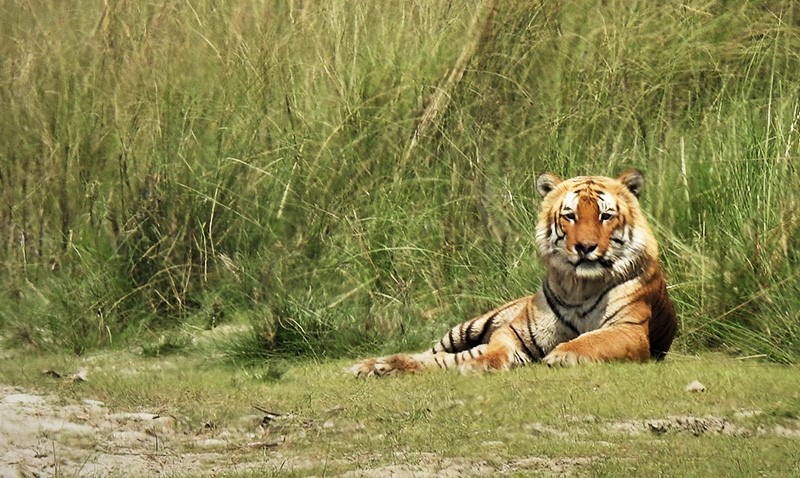
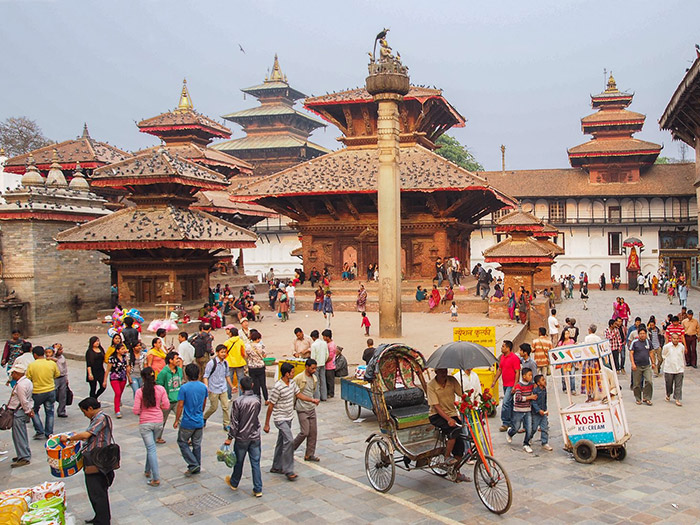
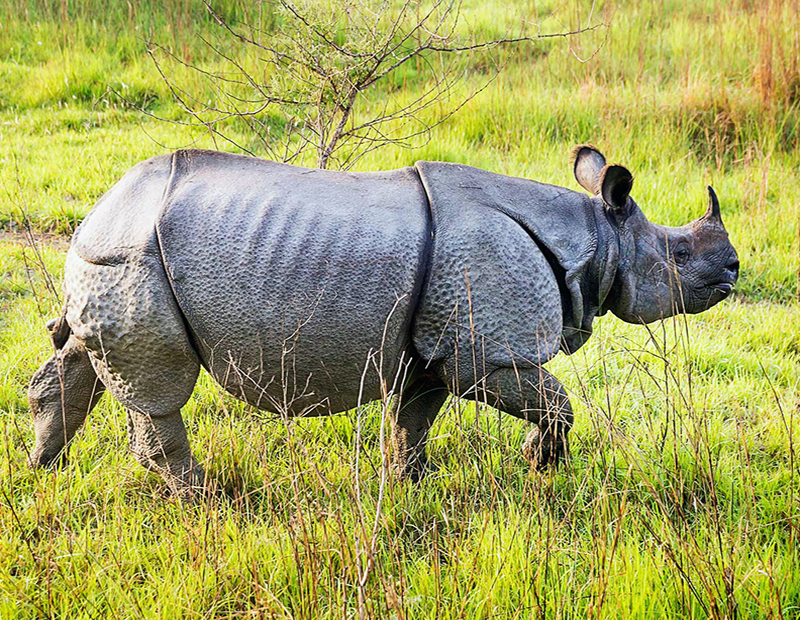
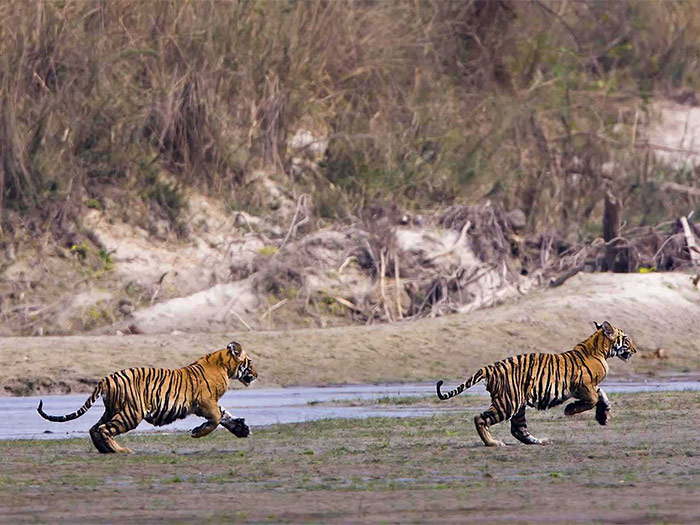
If you are a photographer, that means early mornings in Bhaktapur’s pottery square when the light comes in low and golden across the clay pots drying in rows on the street and the potters are already at their wheels and nobody is performing for a lens because you are the only one there. It means the narrow lanes of Patan’s old town at dusk when the evening rituals begin and the light inside the temple courtyards goes warm and orange and complicated. It means a naturalist in Bardia who knows that the female tiger they call Kamala crosses the grassland edge at a specific hour of morning and positions the vehicle accordingly and then has the patience to wait.
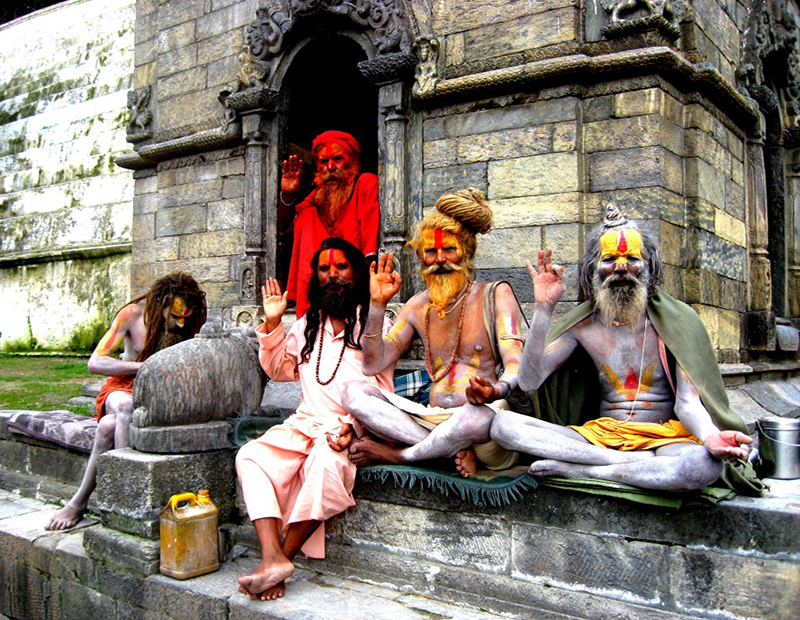
If you are a pilgrim or a seeker, Nepal offers something that few countries can still honestly claim, a living spiritual landscape rather than a preserved one. The aarti ceremony at Pashupatinath on the Bagmati River ghats is not a recreation. The monks chanting in the predawn dark at Boudhanath are not performing for visitors. The sadhu sitting in ash and silence at the edge of the temple courtyard has been sitting there, by his own account, since 1987. This is a country where the sacred is still woven into the daily fabric in a way that has been laundered out of most places that receive significant tourist traffic, and a well designed pilgrimage or spiritual itinerary here reaches layers of experience that standard sightseeing tours cannot touch.
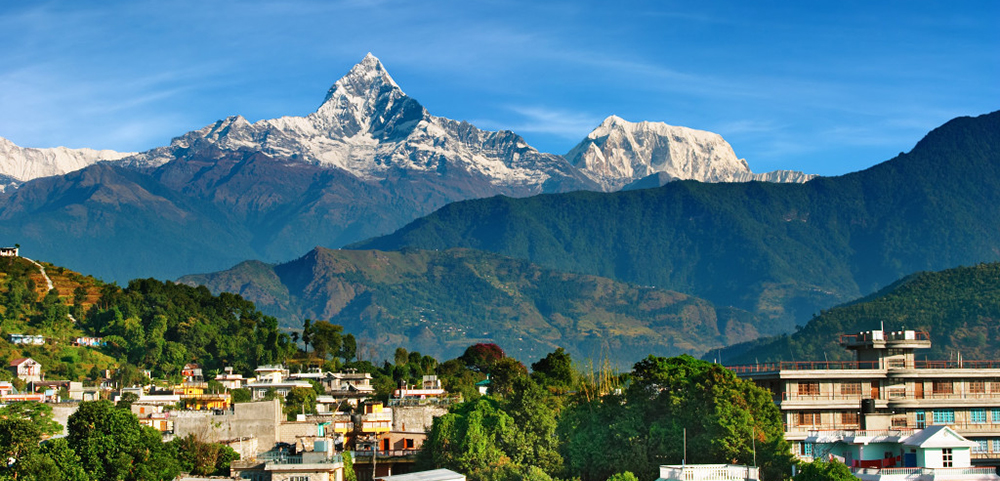
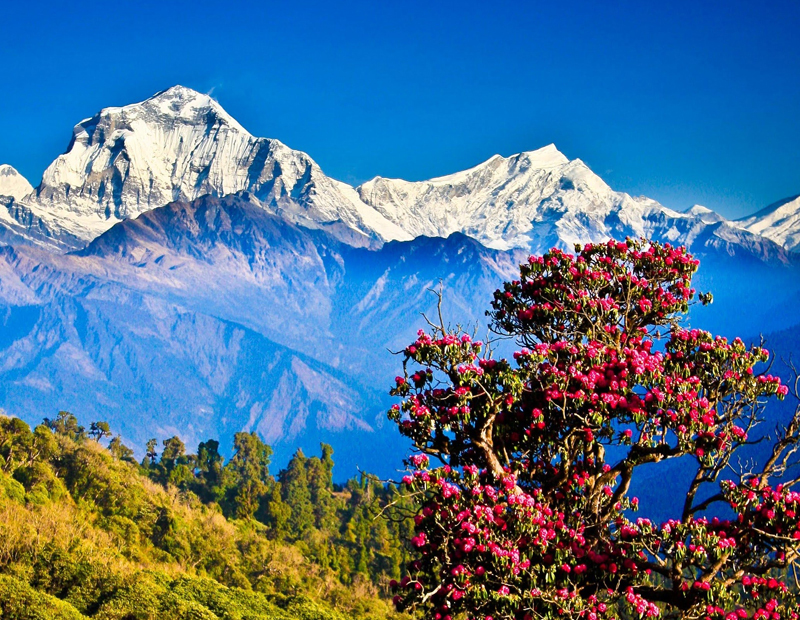
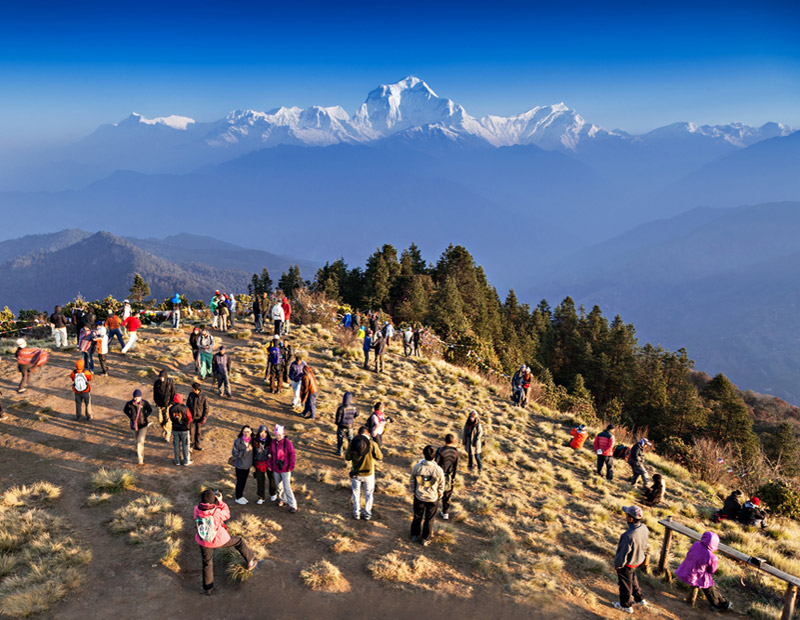
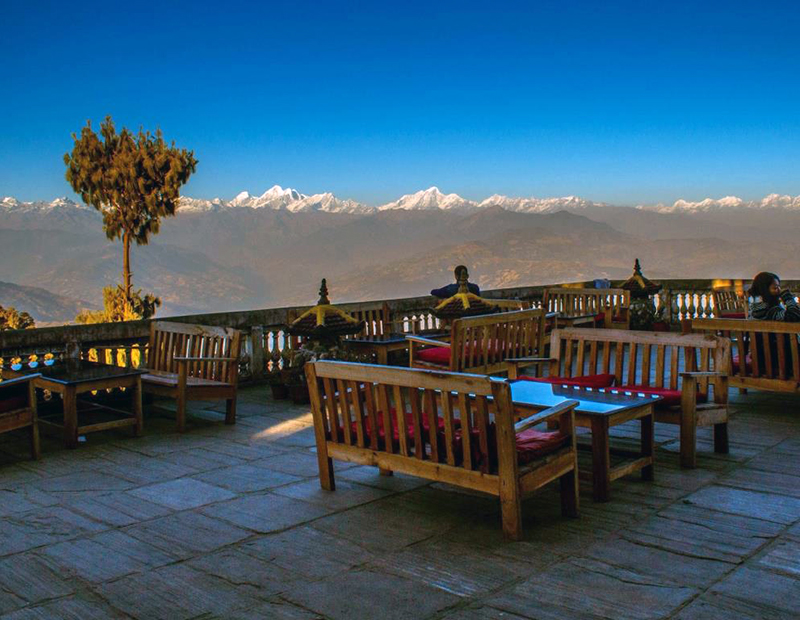
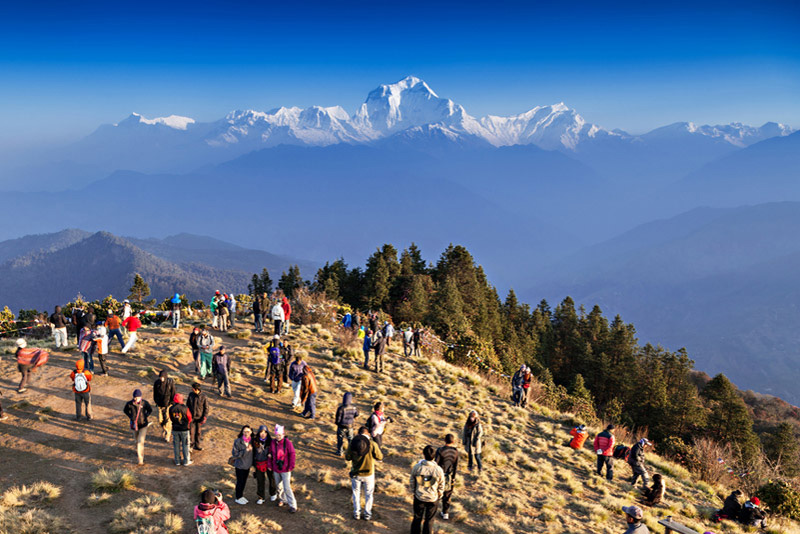
If honeymoon is the frame, Nepal provides the kind of setting that no manufactured romantic resort can replicate — a candlelit bush dinner in a forest clearing with the night sounds of Chitwan surrounding the table, a private sunrise above the Annapurna range from a ridge that the guide reached before anyone else, a boat crossing a still lake at the hour when the mountains reflect in the surface and the only sound is the water.
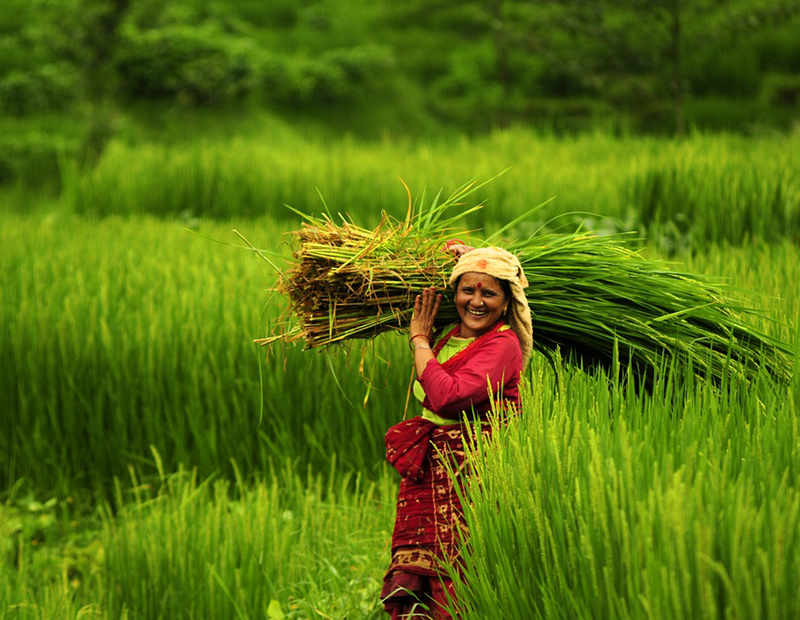
If agriculture is the thread, a farm to farm journey through Nepal’s hill districts opens a version of the country that most travelers never find — the smell of freshly turned terraced soil after rain, the weight of a bamboo doko basket demonstrated by a farmer who has been carrying one since childhood, a kitchen where the dal bhat is made from ingredients that were growing in the field behind the house this morning.
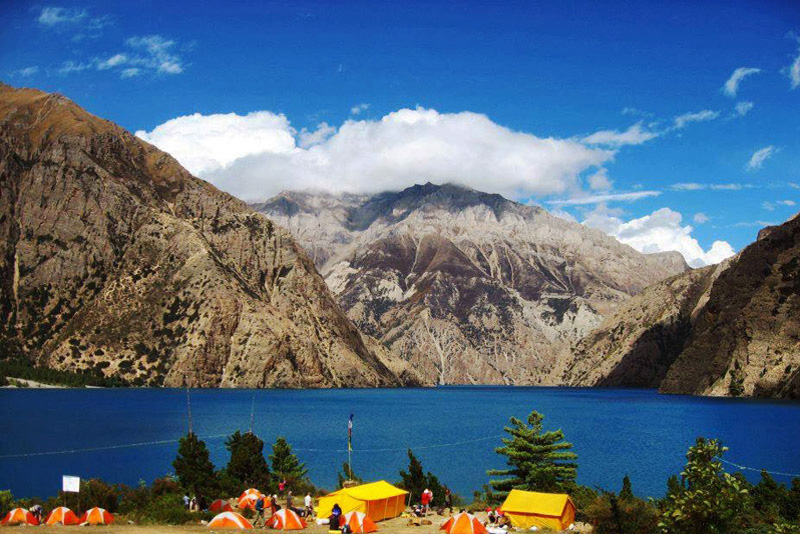
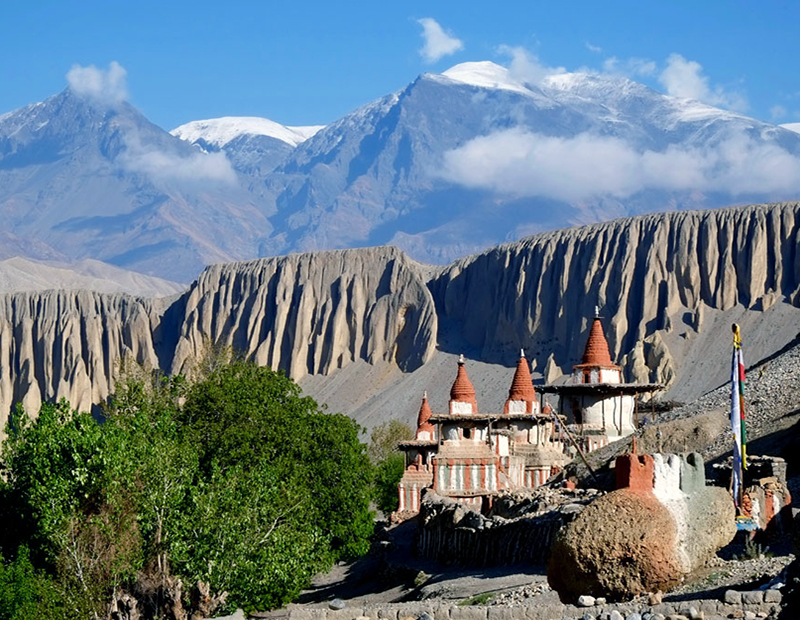
And if the wild west of Nepal is calling – Bardia, Sukla Phanta, the Karnali corridor, the remote reaches of Humla and Dolpo where the trails thin out and the landscape opens into something vast and barely touched — we build that too, with the guides and the logistics and the local knowledge that turn a remote destination from a challenging journey into an extraordinary one.
Every itinerary in this collection starts with a conversation about what you are actually interested in. Not what most people want or what is most popular or what fits a standard program. What you want. From that conversation, Nepal tends to reveal a version of itself that most visitors never see because most visitors never thought to ask.
Tell us what you are looking for. We will find it.
Top Add-on Trips
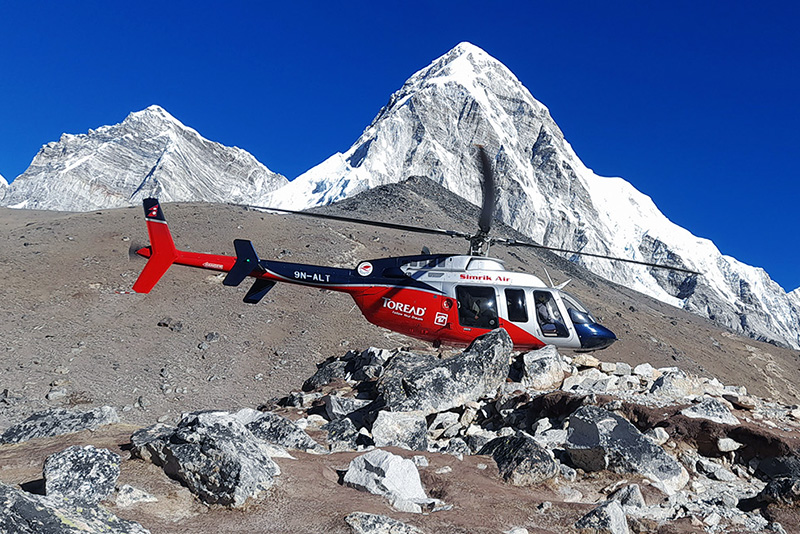
Everest Base Camp Helicopter Tour
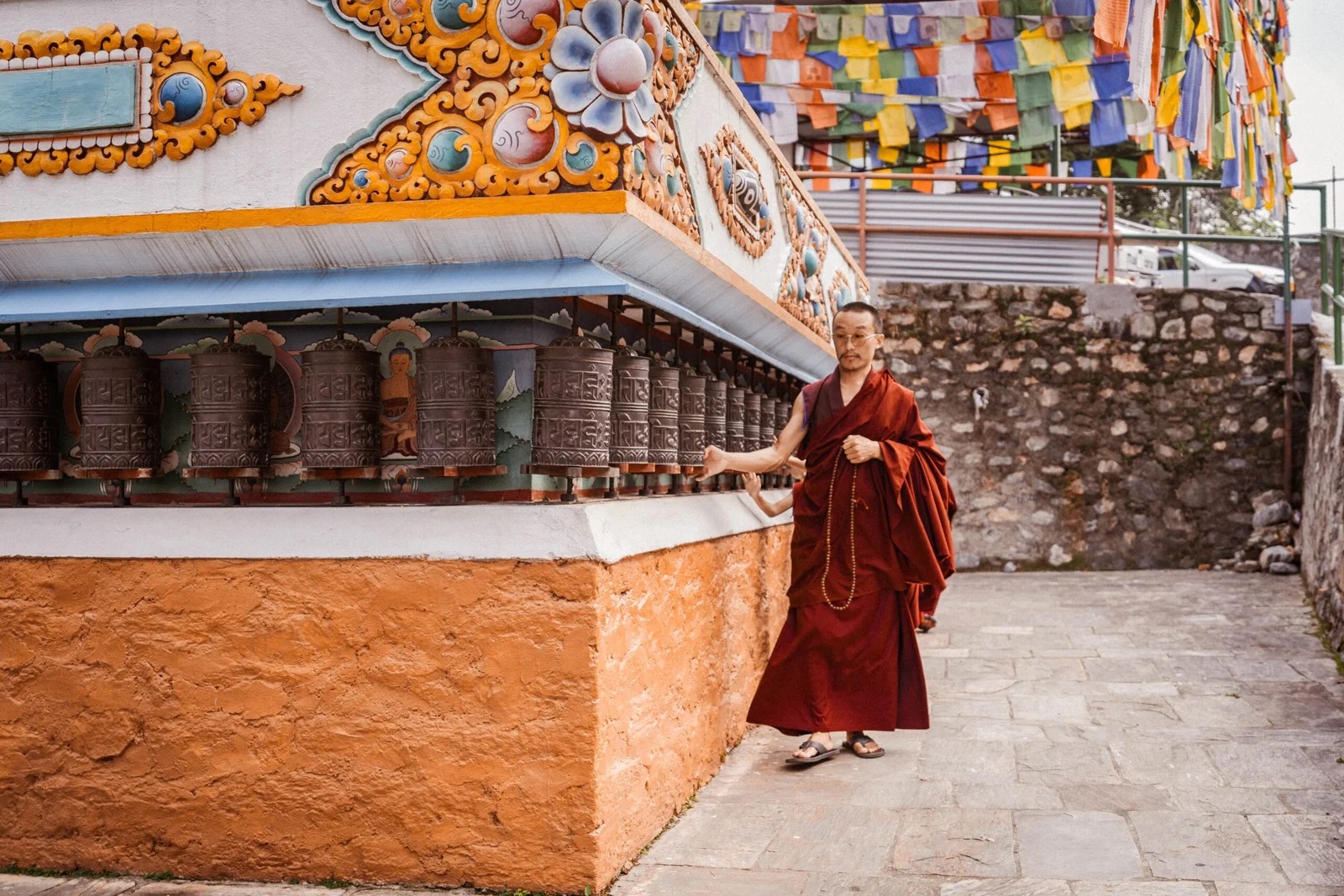
Monastery Stay Tour