Student Group Travel
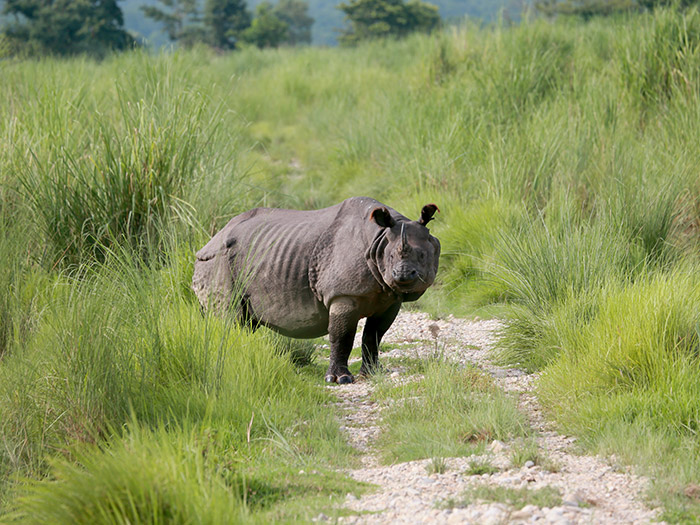
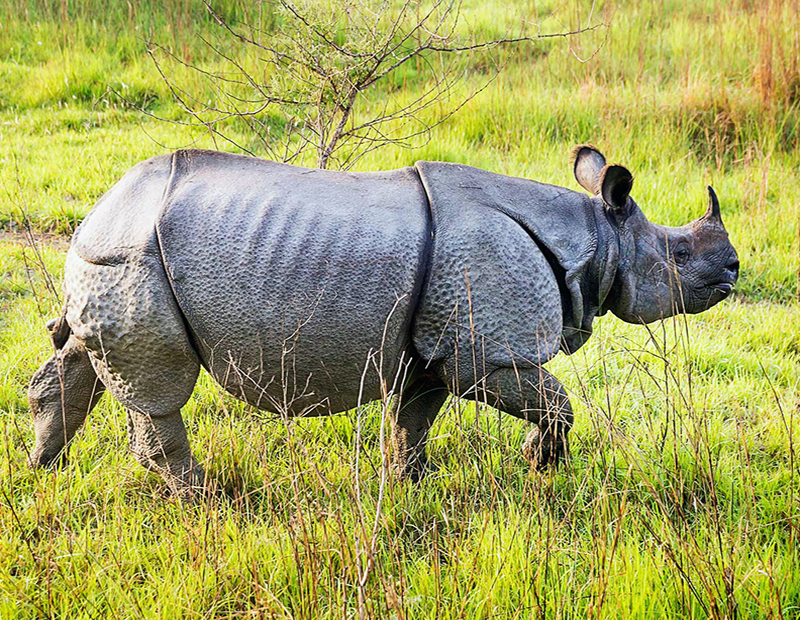
There is a particular kind of learning that does not happen in a lecture hall. It happens when a seventeen year old from suburban Chicago stands at the edge of a Chitwan grassland at dawn and watches a greater one horned rhinoceros graze forty meters away in the morning mist — close enough to hear the sound of the grass tearing as it feeds and realizes that everything the textbook said about endangered species conservation suddenly has a weight and a smell and a physical reality that no exam question ever conveyed. It happens when a geography student from Tokyo looks out across the Kathmandu Valley from Nagarkot and understands for the first time, standing in the actual air of the actual place, what a Himalayan rain shadow does to a landscape. It happens when a group of twenty students from a university in Melbourne sit in a Newari farmhouse kitchen eating dal bhat with their hands and laughing about the technique and asking questions that the farmer answers with a patience and warmth that crosses every language gap without difficulty.
Nepal produces this kind of learning reliably, across subjects and age groups and academic backgrounds, because it is simultaneously one of the most geographically dramatic, culturally layered, ecologically diverse, and historically rich countries in the world compressed into a space that a student group can meaningfully explore in ten days without feeling rushed.
The Kathmandu Valley alone contains more material for geography, history, religious studies, art history, and environmental science than most destinations manage in an entire country. Three medieval cities of Kathmandu, Patan, and Bhaktapur are each with their own distinct architectural character, their own royal history, and their own living craft traditions still practiced in the same courtyards where they originated centuries ago.
A student interested in urban planning walks through Bhaktapur’s pottery square and immediately understands what a pre industrial city built around craft specialization actually looked like and how it functioned. A student interested in religious studies sits in the Boudhanath plaza at dawn and watches three different Buddhist traditions conduct their morning rituals within a hundred meters of each other.
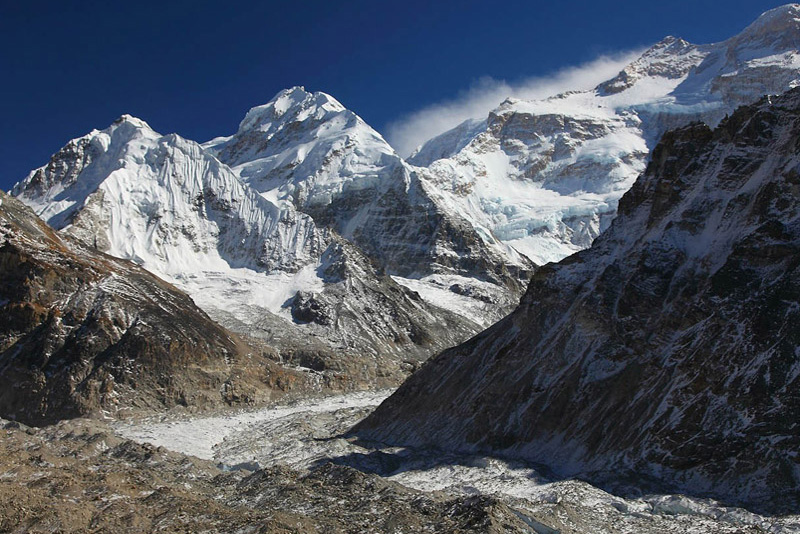
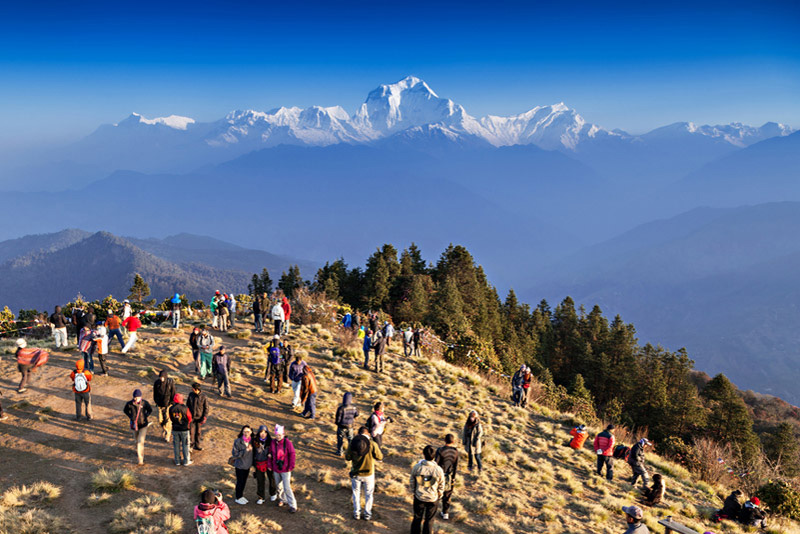
A student interested in environmental science stands at the edge of the Annapurna range and has the entire story of tectonic collision and glacial geology written across the skyline in front of them at a scale no diagram has ever matched.
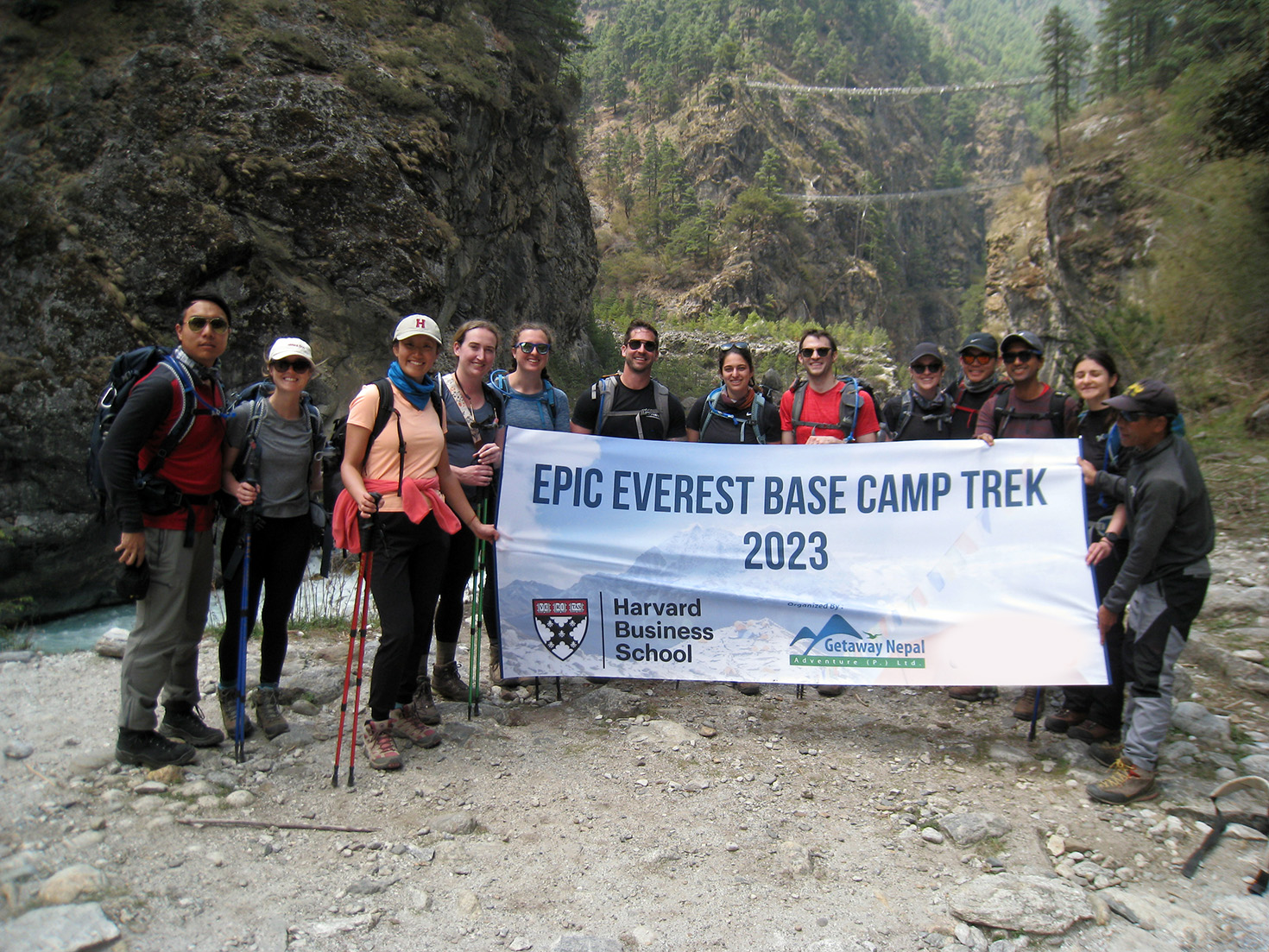
The trek component of a student itinerary does something that no classroom exercise can replicate. It asks something physical and sustained of a group of young people and delivers, in exchange, a kind of confidence that arrives quietly on the third morning when the legs have stopped complaining and the lungs have adjusted and the trail ahead looks manageable rather than daunting and someone at the back of the group who has never considered themselves particularly capable of anything outdoors realizes they have been walking uphill through the Himalayas for two days and intend to keep going. That shift from doubt to quiet capability happens on almost every student trek we organize and the faculty leaders who travel with their groups tend to describe it as one of the most valuable outcomes of the entire program, more durable than any grade and considerably more transferable.
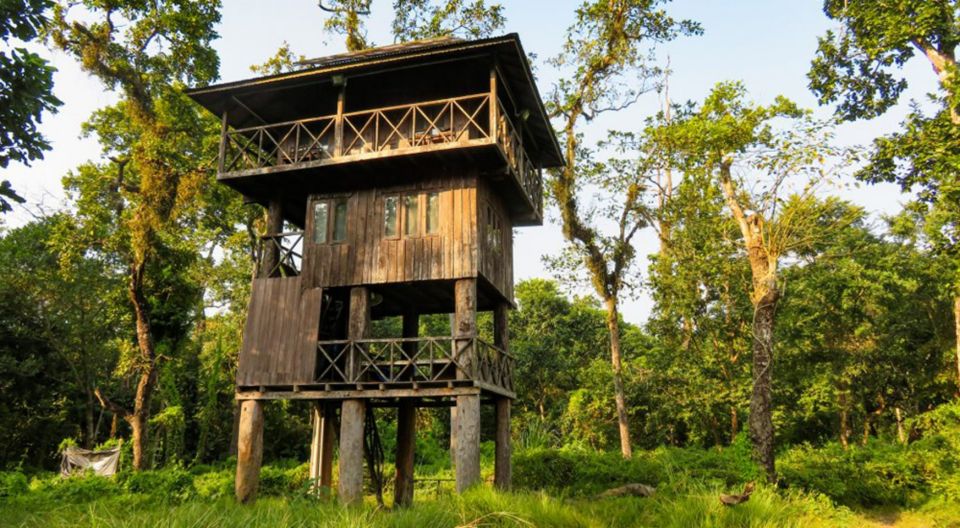
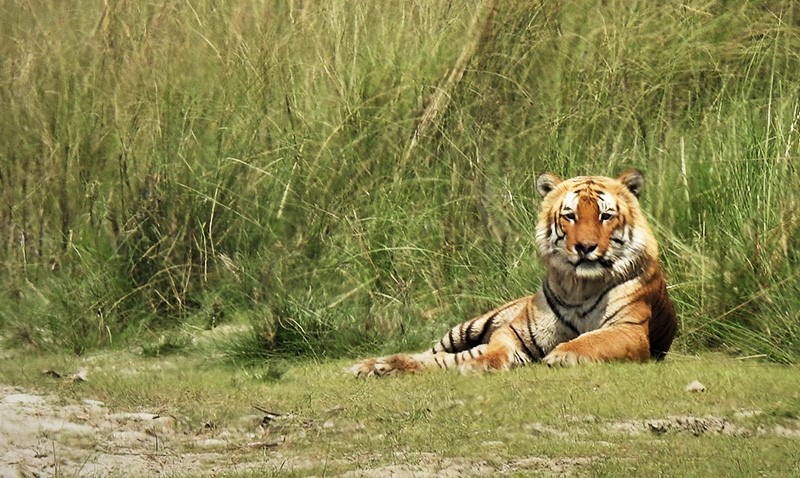
The jungle safari in Chitwan or Bardia adds the ecological dimension. The open jeep entering the core zone before dawn. The naturalist reading the forest the way a skilled reader reads a complicated text — quickly, continuously, extracting meaning from details that most people walk past. The rhinoceros that steps onto the track and stands there while twenty students in the back of the vehicle hold their collective breath. The naturalist explaining afterwards, in the field over packed lunches with a marsh mugger visible on the riverbank opposite, exactly what the pugmark they passed an hour ago indicated about the direction, speed, and approximate weight of the animal that made it. This is ecology taught by the ecosystem itself, which turns out to be considerably more effective than a slideshow.
Every student group program we build at Getaway Nepal Adventure starts with the learning objectives of the institution and works outward from there. A geography faculty gets a different itinerary from an environmental science department which gets a different itinerary from a school organising a cultural exchange which gets a different itinerary from a university business school studying social enterprise and community development in a developing economy. The country has enough depth to sustain all of these approaches simultaneously and our guides have enough range to support them.
Safety, logistics, accommodation, dietary requirements, risk management protocols, faculty briefings, emergency procedures, and the thousand other details that make a student group journey run smoothly — all of it handled before the group arrives so that the teachers can actually teach and the students can actually learn and everyone gets home having experienced something that will still be answering questions in their minds years after the trip is over.
Nepal has been educating people who arrive with genuine curiosity for a very long time. We simply make sure your students are ready to receive what it offers.
Reach out to Getaway Nepal Adventure to begin designing your student group program in Nepal.
Top Add-on Trips
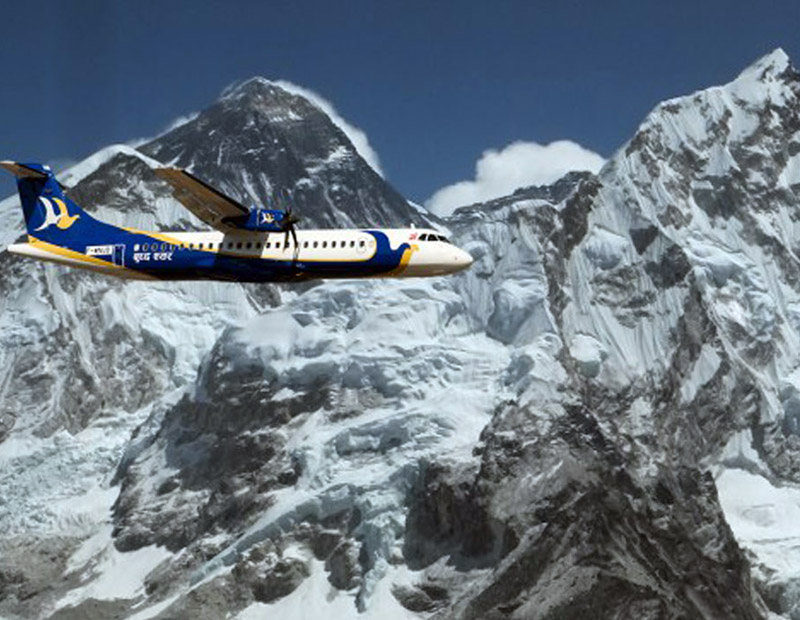
Everest Base Camp Helicopter Tour
Monastery Stay Tour