High-End Travel
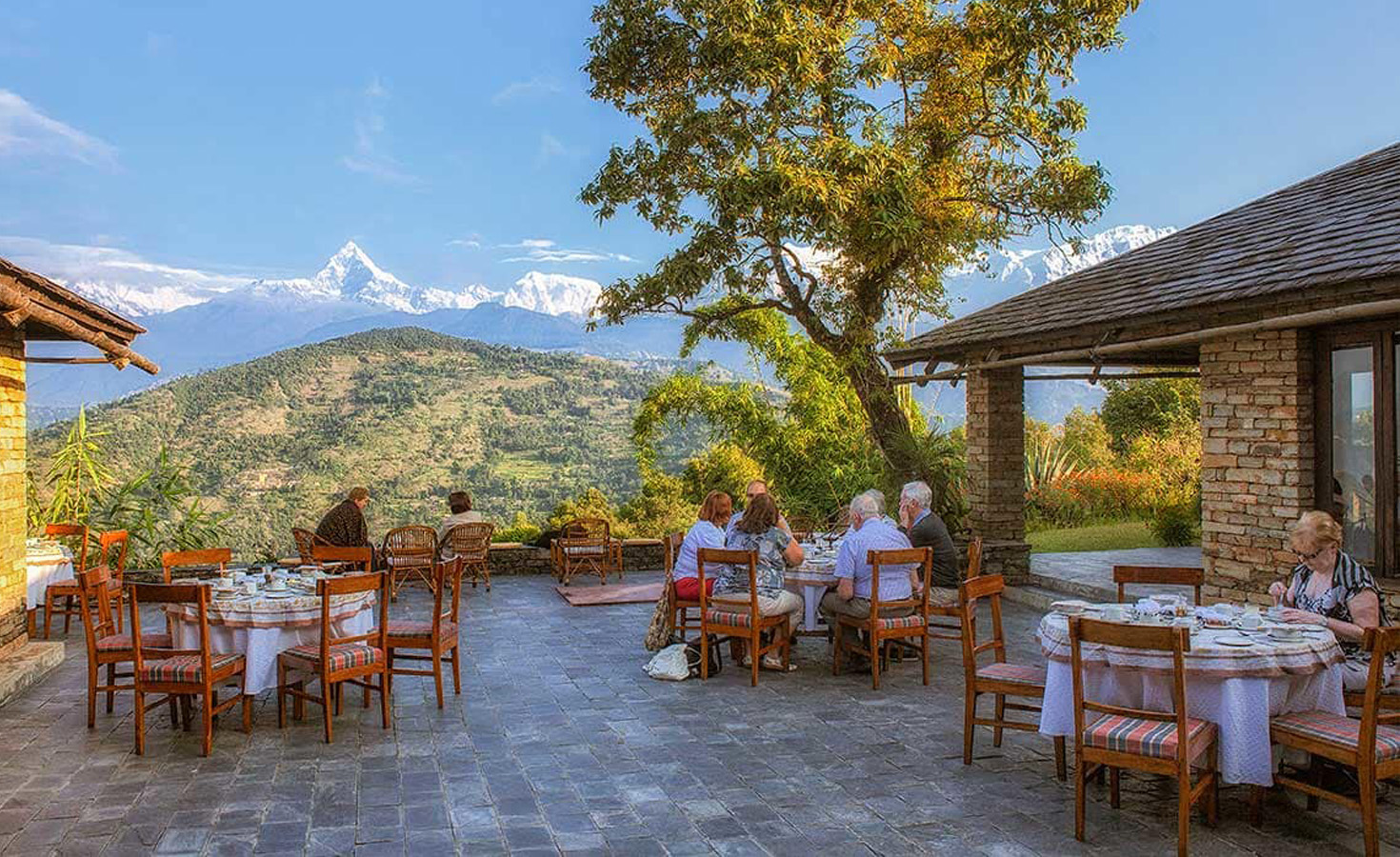
Nepal has a reputation problem that has nothing to do with the country itself. Decades of being marketed primarily as a destination for budget backpackers and hardcore trekkers has left a persistent impression that luxury and Nepal are somehow incompatible — that the price of experiencing the Himalayas is discomfort, and that anyone unwilling to pay that price is seeing a lesser version of the country.
None of that is true. And the travellers who have figured it out tend not to talk about it too loudly, because Nepal without crowds is something worth protecting.
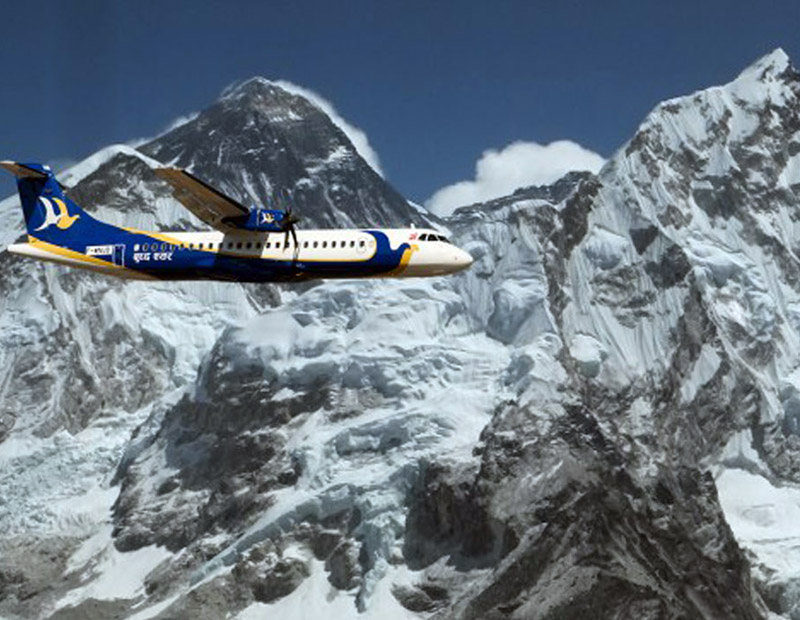
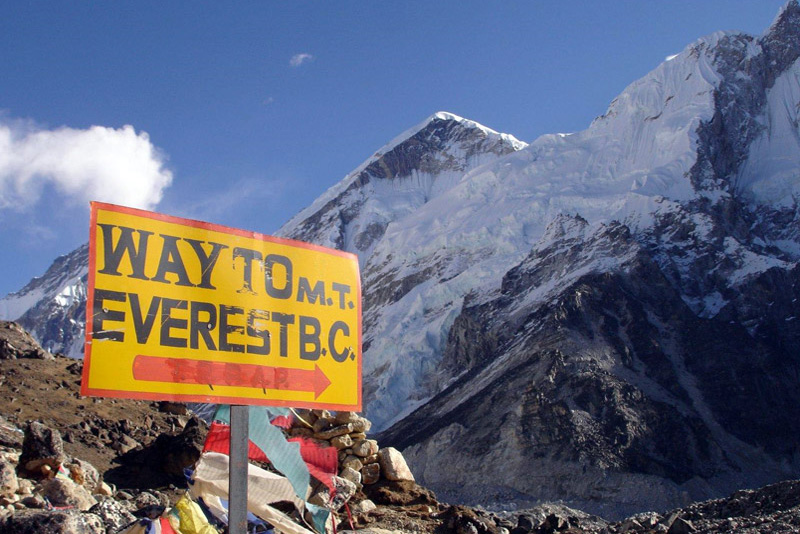
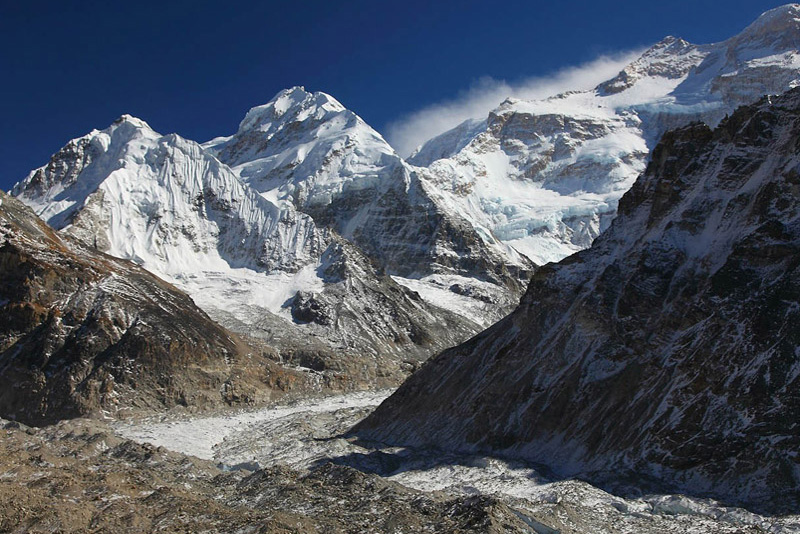
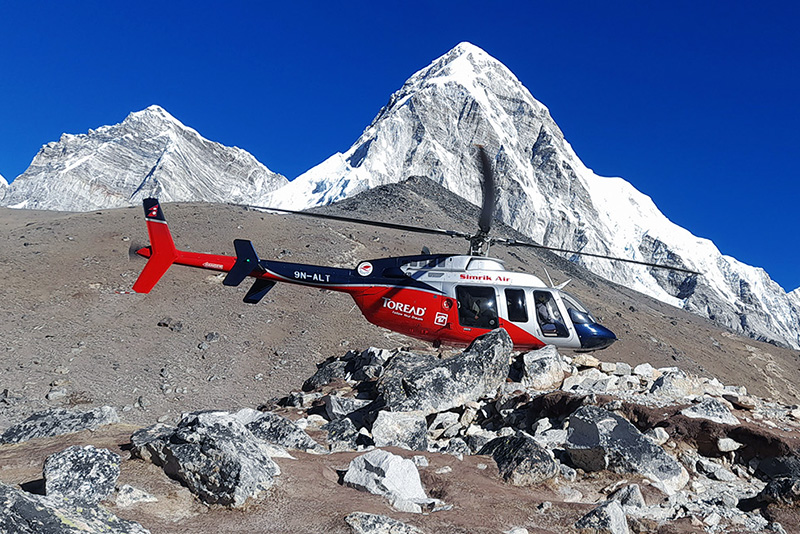
The helicopter lifts from Kathmandu before the city wakes up and within minutes the rooftops fall away and the Himalayan chain appears along the northern horizon with a suddenness that no amount of anticipation prepares you for. Not a distant blue suggestion of mountains but the actual thing — peak after named peak in a wall that stretches east and west further than the eye can follow, Everest identifiable not by size but by the distinctive plume of wind driven snow trailing from its summit into the deep blue above 8,000 meters. The aircraft banks north and the world below becomes a terrain of glaciers and moraines and the thin silver threads of rivers that started as snowmelt and will eventually reach the sea, and you are suspended in the middle of all of it in a warm cabin with nobody else in it but the people you chose to bring.
That is one version of high end Nepal. There are others.
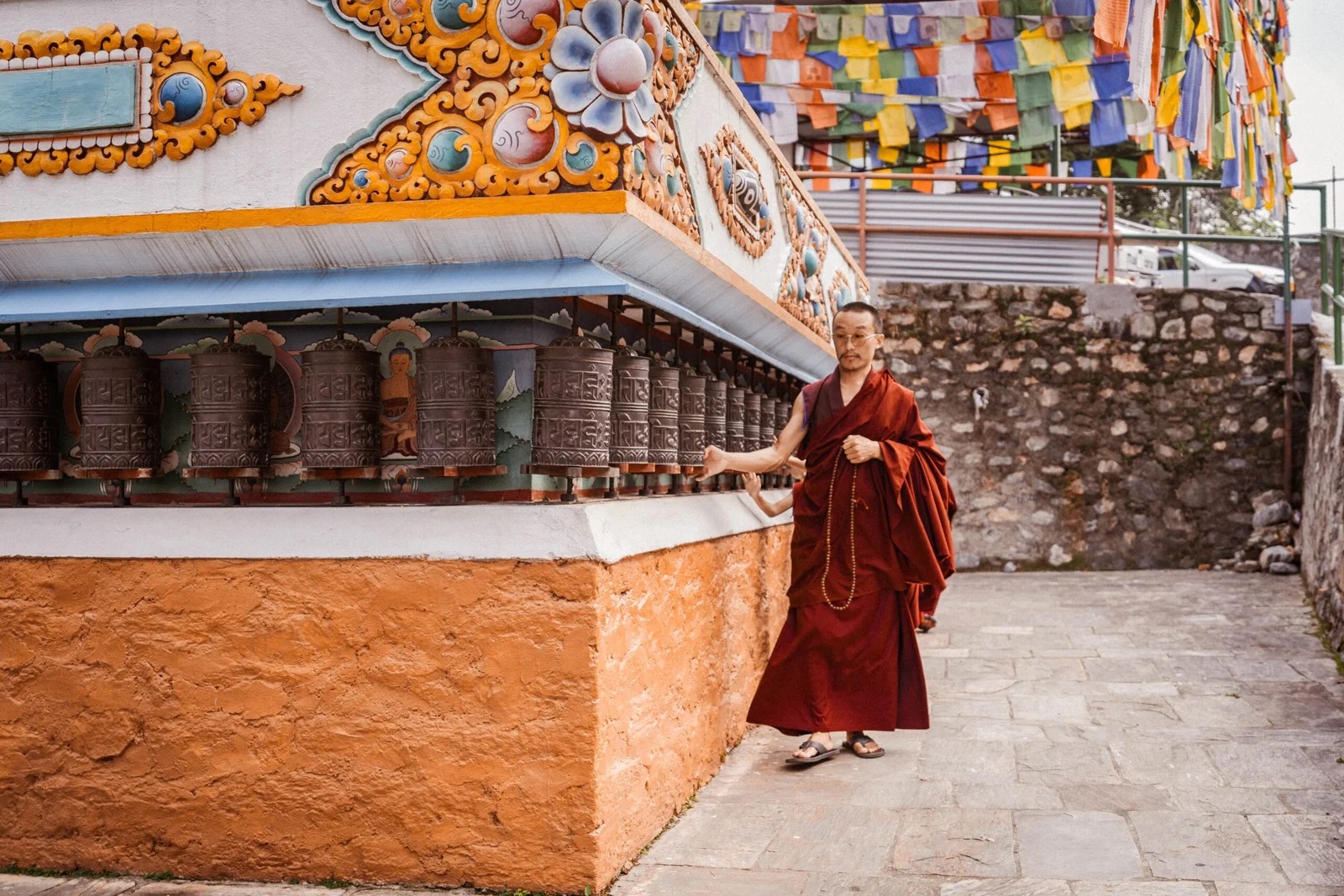
A private guided evening at Pashupatinath Temple where the aarti ceremony unfolds across the river ghats in fire and drum and the smell of marigold and incense and river smoke and you are standing close enough to feel the warmth of the brass lamps swinging in slow arcs — not watching through a telephoto lens from a designated tourist viewpoint but actually present inside one of the most ancient and continuously active religious ceremonies in the world, with a scholar beside you who has spent twenty years understanding what each movement means and is quietly translating it in real time.
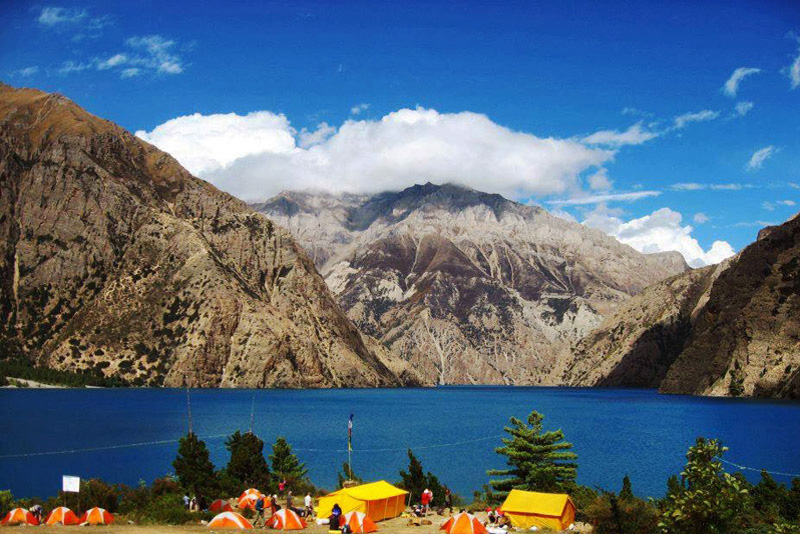
Or a morning in Mustang. The remote upper kingdom in Nepal’s far northwest where the landscape looks like it was assembled from a colour palette that forgot to include green — ochre cliffs and rust coloured canyon walls and the deep blue of an altitude sky that has no haze in it whatsoever — where the Shinta Mani Mustang puts you to sleep in a room that looks out over a valley that was a trading crossroads between Tibet and India for a thousand years and where the wind outside carries the smell of juniper and cold stone and something that has no name in any language you speak. The lodge is genuinely extraordinary. The landscape outside it is genuinely extraordinary. The combination of the two is the kind of thing people build their travel year around.
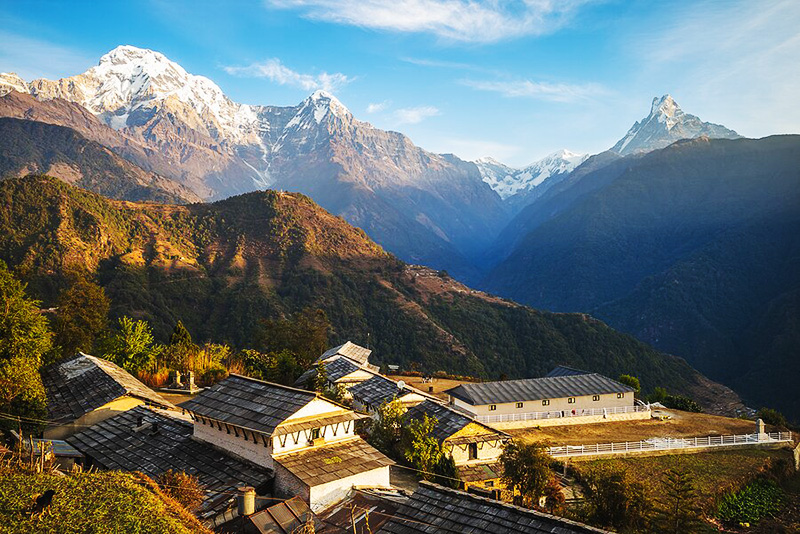
A luxury trek through the Annapurna Sanctuary where the trail rises through rhododendron forests that turn the hillsides red and white in spring and the teahouse stops have been replaced by premium lodges where the food is prepared by trained chefs and the beds are warm and the hot water runs reliably and your private guide has been leading people through this specific terrain for fifteen years and knows which ridge to reach for the best light on which peak and at what time of morning. The walk is still the walk — Chitwan to the high Sanctuary and the 360 degree amphitheatre of peaks that surrounds Annapurna Base Camp is not diminished by the quality of the pillow you sleep on. It is simply done without the variables that make the same route uncomfortable for those who are not there for the discomfort.
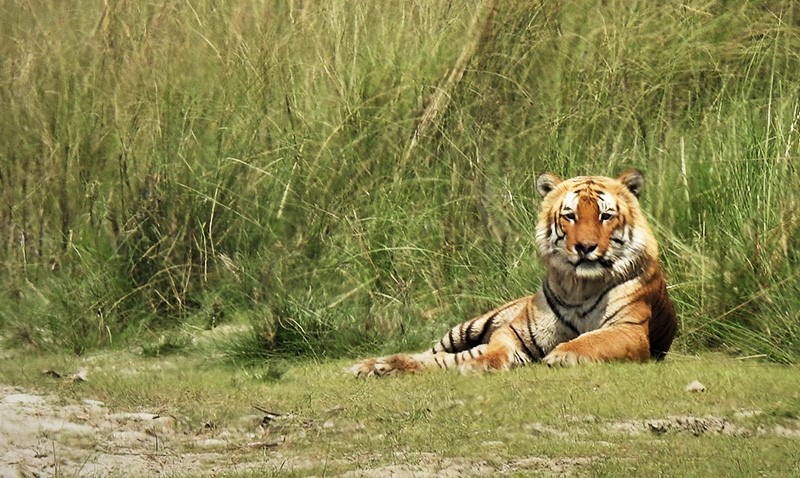
A private jeep safari in Bardia at dawn where the naturalist who has been tracking the same individual tigers in the same forest for a decade holds up one finger without turning around and the vehicle goes completely silent and the forest rushes in and somewhere in the sal trees to the left something enormous shifts its weight and you hold very still and the naturalist waits and the tiger appears and four minutes later it does not appear anymore and the guide exhales and the jeep moves quietly forward and nobody says anything for a long time.
This is what high end travel in Nepal actually means. Not the hotel room, though the rooms are genuinely excellent. Not the food, though the food at Nepal’s best properties has long since stopped apologizing for its geography. It means having the right access at the right moment in the right company with someone beside you who knows exactly what they are looking at and why it matters. It means the country without the variables that diminish it. It means Nepal on its own terms at its own pace — which, as it turns out, is very good terms and a very good pace indeed.
Every itinerary we build is built from scratch around a specific person going at a specific time with specific interests and a specific definition of what a good day looks like. The helicopter, the lodge, the naturalist, the scholar, the private ceremony, the chef, the vehicle, the timing — all of it assembled around you rather than around a standard programme that you are expected to fit yourself into.
Nepal has always been this good. It simply took a while for the infrastructure to catch up.
Top Add-on Trips
Everest Base Camp Helicopter Tour
Monastery Stay Tour