Farm to Farm Tour in Nepal
An Authentic Agro-Tourism Experiences With Getaway Nepal Adventure
Nepal has a way of surprising people who think they already know what it offers. The mountains they expected. The temples, the monasteries, the prayer flags strung between rooftops in the morning mist — all of it matches the photographs. What nobody told them about was the terraced hillside at dawn with a farmer already ankle deep in the paddy field below, the smell of woodsmoke drifting from the kitchen behind the farmhouse, a buffalo tethered in the yard swinging its heavy head toward you with calm, unhurried curiosity. That version of Nepal is quieter, slower, and for a certain kind of traveler, considerably more interesting than any mountain view.
Almost 60 percent of Nepalese people grow their own food. Not as a lifestyle choice or a weekend hobby but as the central organizing fact of daily life — the thing that determines the rhythm of the morning, the shape of the hillside, the architecture of the village, and the content of every meal. Visiting that world properly, with genuine access and genuine guides who know the farmers personally, produces the kind of travel experience that is increasingly difficult to find anywhere: authentic, unscripted, and quietly transformative in the way that only comes from being somewhere that has nothing to prove.
A farm to farm journey with Getaway Nepal Adventure moves through Nepal’s most diverse agricultural landscapes across ten days, each region offering a completely different chapter of the same story. In the mid hills, the terraces that have been carved into the slopes over centuries grow rice, millet, and wheat in rotation with a precision that no satellite mapping has ever improved upon. You walk those terraces in the company of farmers who can tell you exactly which variety of rice grows best on the south facing slope and why the north facing one is left for mustard, and the explanation involves generations of observation rather than a textbook. The soil between the terraces is dark and alive and smells of rain and compost and something older underneath both.
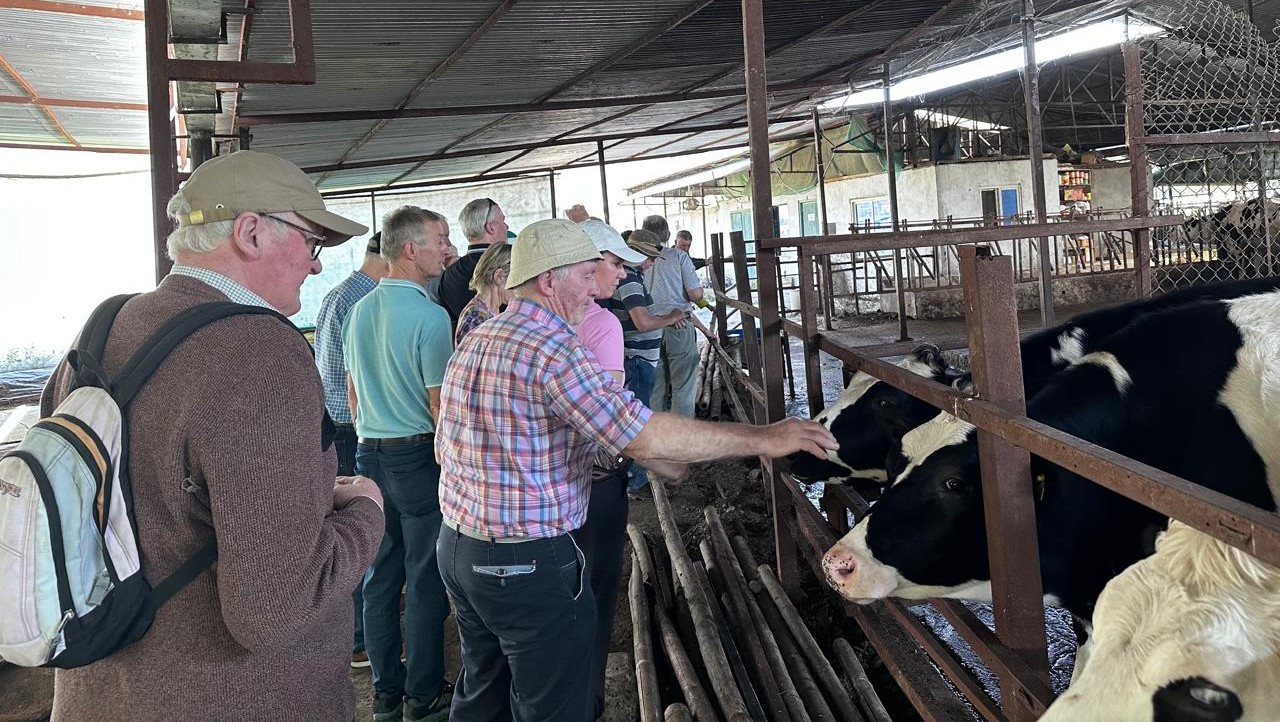
The cattle farms reveal a different intimacy. In a traditional Nepalese household the cows and buffaloes are not livestock in the industrial sense — they are working members of the family economy, providing milk for the morning chai and curd for the evening dal bhat and dung for the compost that feeds the field that produces the rice that is served for dinner. Watching a farmer milk a buffalo at dawn in a small stone shed while her daughter prepares tea on the other side of the courtyard wall, the steam rising from both operations simultaneously in the cold morning air, is the kind of scene that makes the word sustainable feel less like a marketing concept and more like a description of something that has simply always worked.
The goat farms tend to produce the most unexpected moments. Nepal’s goat rearing sector has grown considerably in recent years and a visit to a well run cooperative farm, fifty or sixty animals moving across a hillside pasture with their particular combination of purposefulness and chaos while a farmer explains the breeding program and income structure with the quiet pride of someone who built something that works, leaves most visitors with a considerably revised understanding of what small scale agriculture is capable of achieving. The kids, inevitably, climb on everything including any guest who stands still long enough.
Vegetable farms in the higher hill districts add another texture entirely. Community operated polyhouse gardens where seasonal crops are grown through the cold months, organic fields where the pest management involves companion planting techniques that have been refined over decades of trial and error, irrigation channels that follow the contour of the land with an engineering logic that requires no machinery to maintain, all of it visible and explainable and available to touch and smell and taste when the farmer pulls a carrot from the ground and hands it to you still carrying the earth it grew in.
And woven through every farm visit, every village walk, every shared meal at a farmer’s table, is the texture of Nepalese rural life itself the warmth of a kitchen where the fire has been burning since before sunrise, the weight of a doko basket demonstrated on your shoulders for approximately thirty seconds before you hand it back with new respect, the laughter that crosses a language barrier when you attempt and spectacularly fail at something a ten year old does effortlessly every morning. The tea is always sweet and always hot and always offered before anything else, which tells you most of what you need to know about Nepalese hospitality before you have had time to sit down.
Getaway Nepal Adventure has been building these itineraries for years with the specific advantage of genuine local relationships, farmers who open their homes and their working days to guests not because a tourism board told them to but because they know the guides personally and trust the approach. That trust is what makes the access real rather than staged, and real access is what makes the difference between a farm visit and an actual farm experience.
Nepal is emerging as one of the most compelling agro-tourism destinations in Asia. It deserves that reputation not because anyone decided to market it that way but because the farming here is still genuinely traditional, the farmers are genuinely hospitable, and the landscape in which all of it takes place is genuinely extraordinary. These things together produce something that no amount of itinerary design can manufacture. They simply exist, and we take you directly to them.
Contact Getaway Nepal Adventure and begin planning your farm to farm journey across Nepal.
Let’s create your private group Farm to farm tour in Nepal—custom, flexible, and unforgettable.
Contact us today to start planning your small group journey!
info@nepal-tours.com
9779851038908 (WhatsApp)
Top Add-on Trips
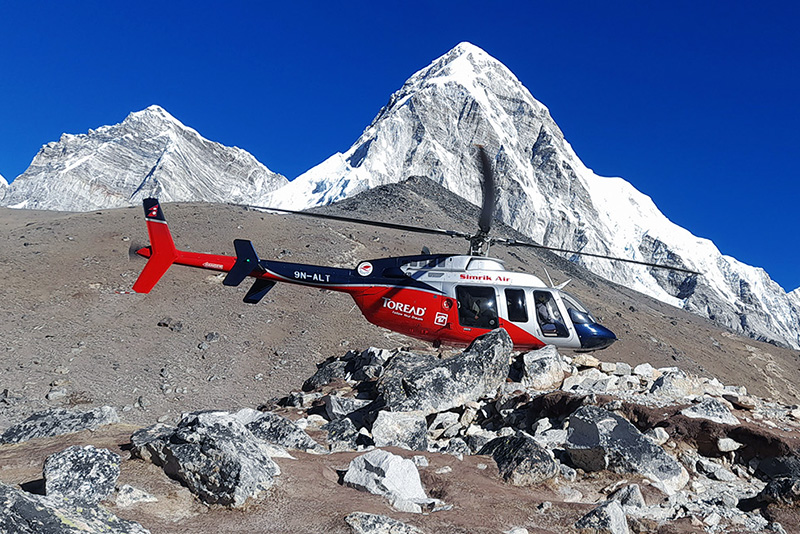
Everest Base Camp Helicopter Tour
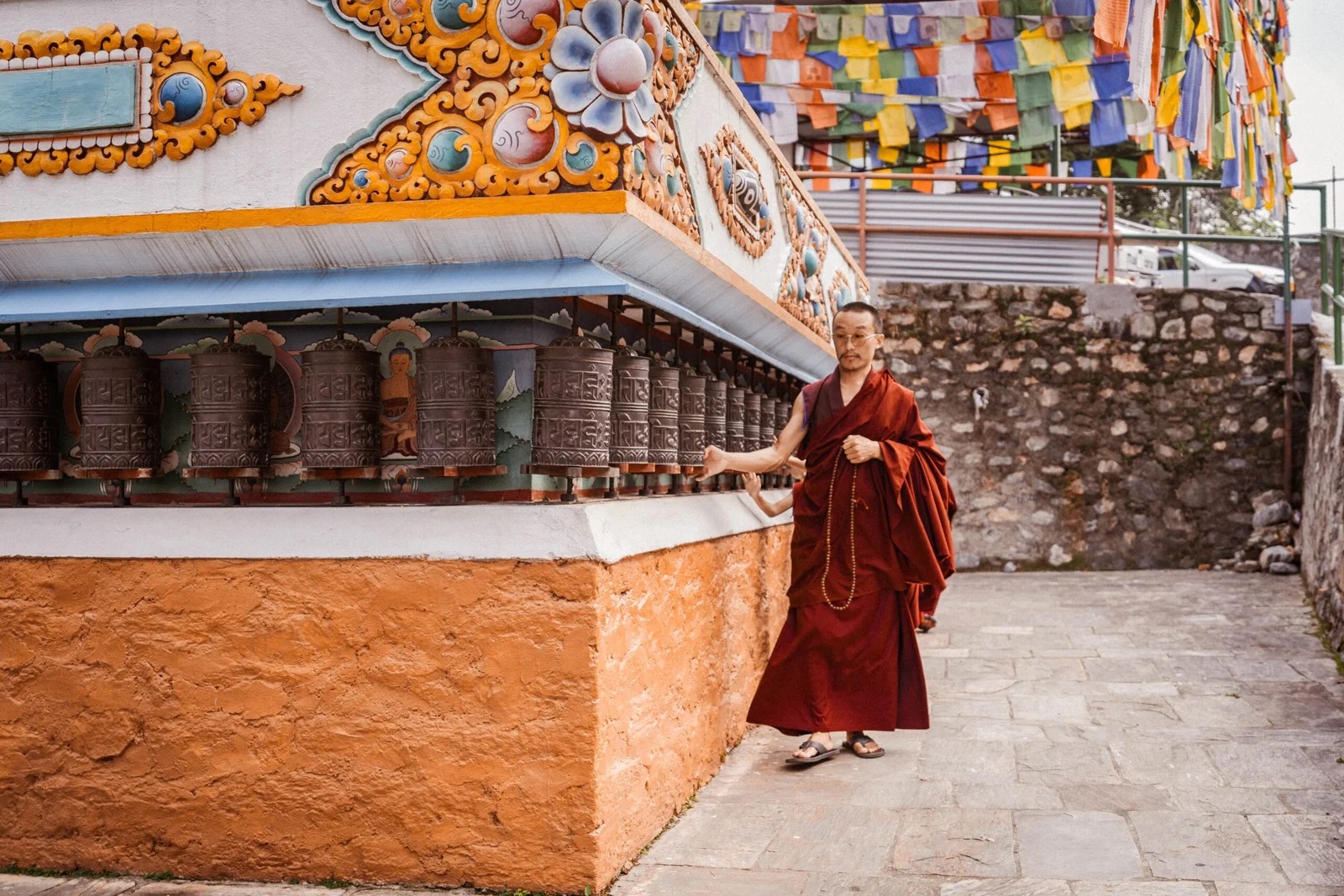
Monastery Stay Tour