Jungle Safari Tours
Most people come to Nepal for the mountains. A smaller, quieter group comes for what lives at the base of them and they tend to come back.
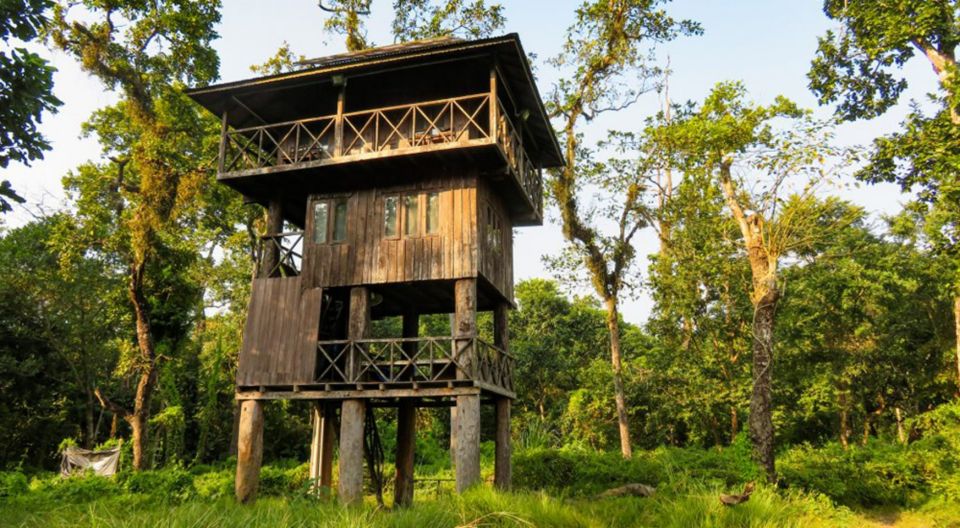
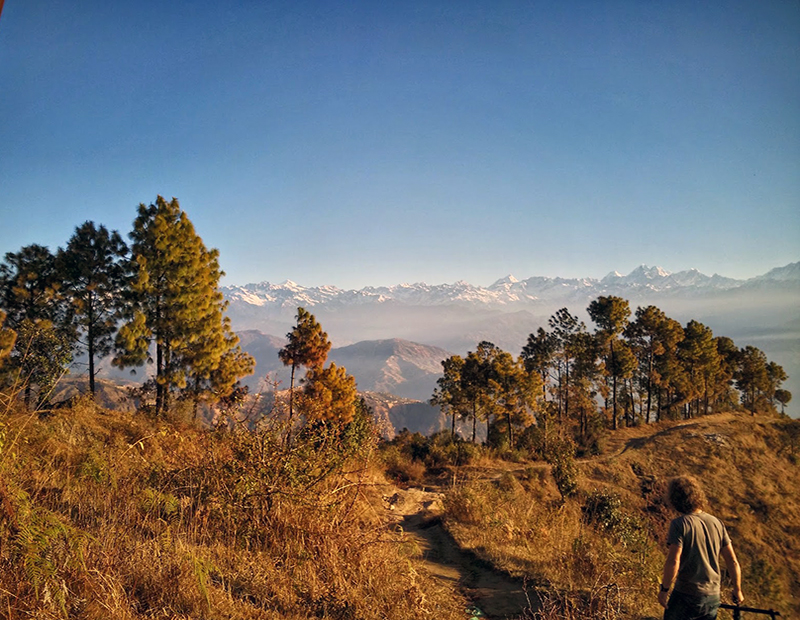
Nepal’s southern Terai is one of those landscapes that rewrites your understanding of the country the moment you step into it. The Himalayan foothills that were visible above the northern skyline all morning are still there, but now you are in tall grassland and ancient sal forest with the smell of damp earth and river mud in the air and a naturalist beside you who has just crouched down beside a pugmark pressed deep into the soft track and is looking at it the way a doctor looks at an X ray reading something specific and significant that you would have walked straight past. That shift from observer to participant is what a well guided Nepal jungle safari does to a person, and it tends to happen within the first twenty minutes of entering the forest.
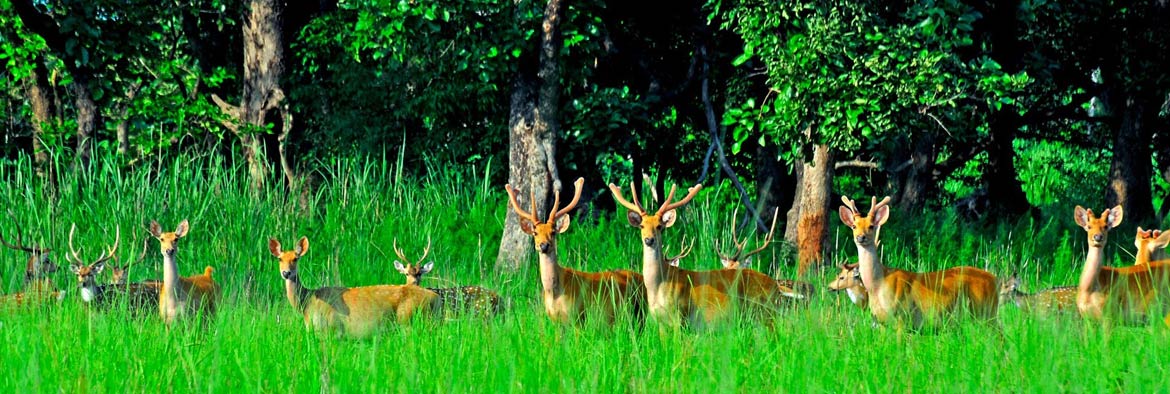
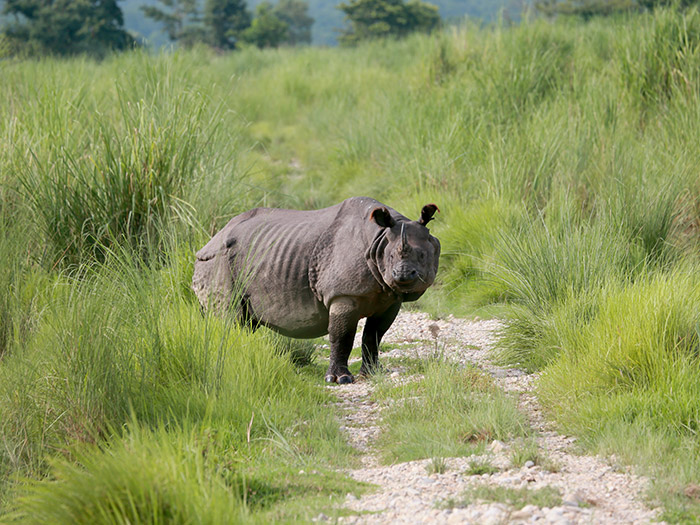
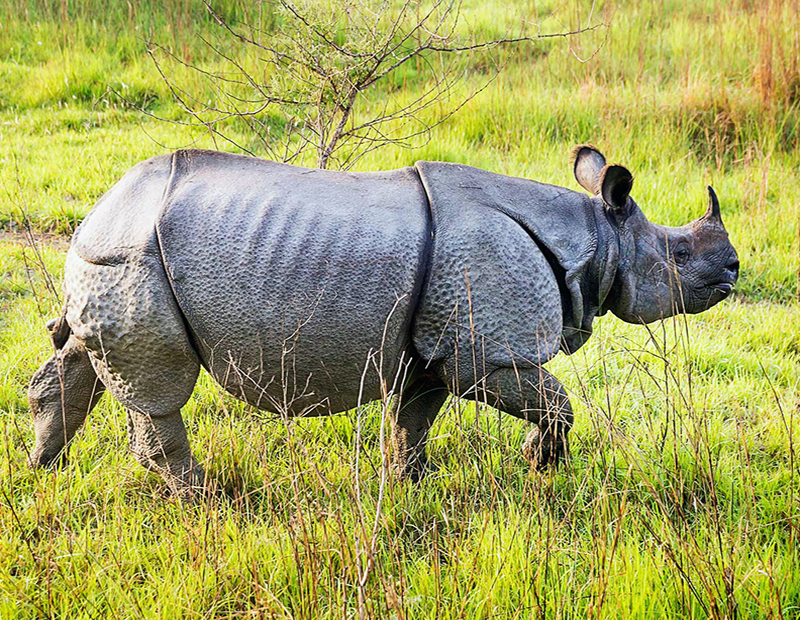
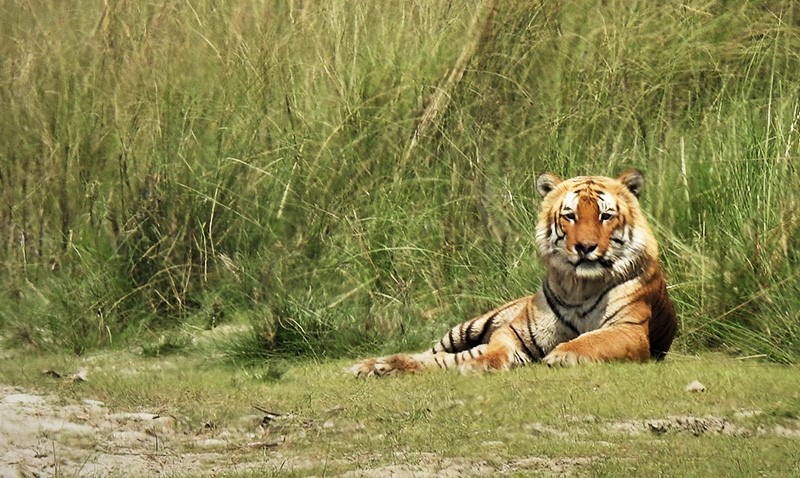
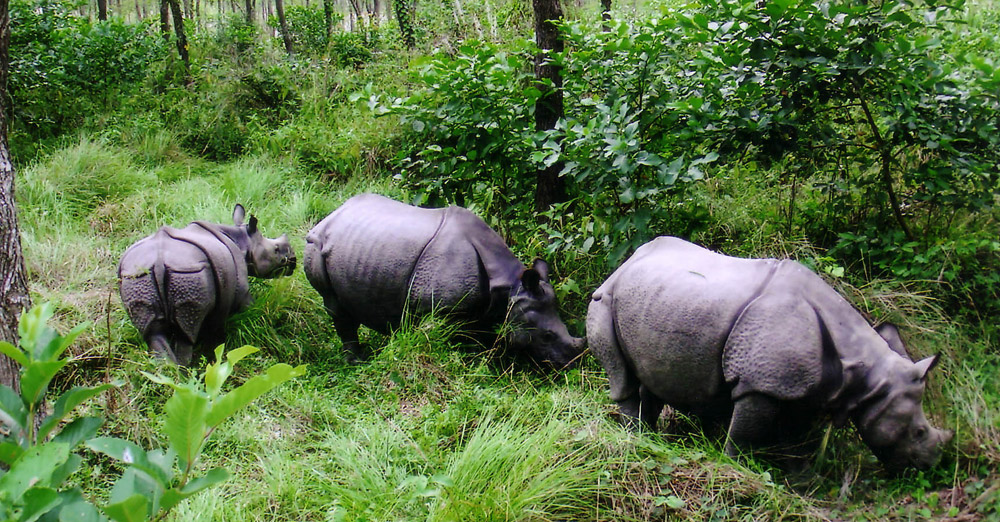
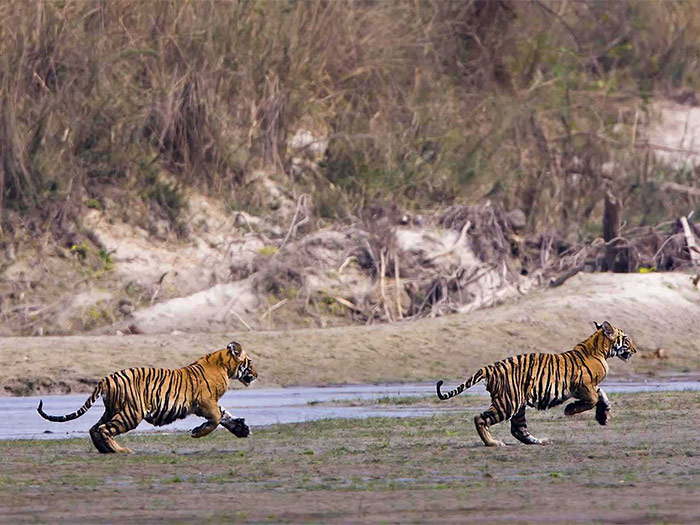
Chitwan National Park in the central Terai is where most journeys begin. A UNESCO World Heritage Site covering over 952 square kilometers of riverine forest and floodplain grassland, Chitwan is home to greater one horned rhinoceroses that graze the open ground at dawn in numbers that would have seemed impossible fifty years ago, Bengal tigers that move through the sal woodland on their own unannounced schedule, gharial crocodiles laid out along the sandy Rapti riverbank like objects assembled by geological time, and well over 500 bird species filling every layer of the canopy with a density of sound and colour that stops serious birdwatchers cold and keeps them rooted to the spot long after everyone else has moved on. A canoe gliding silently along the river at the hour when the light goes gold across the water and a Gangetic dolphin surfaces in the deeper channel twenty meters ahead is the kind of moment that earns its place in the memory without announcing itself.
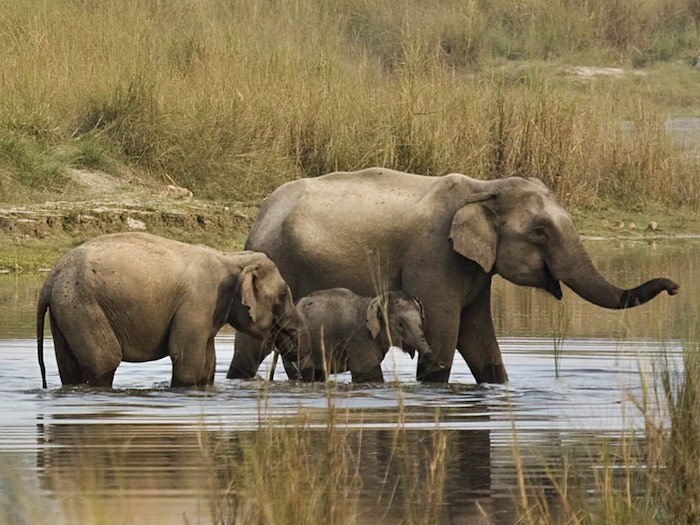
Bardia National Park in Nepal’s far west is a different conversation entirely. Fewer visitors, larger territory, longer grass corridors, and the particular stillness of a forest that has not yet learned to anticipate human schedules. The tiger sighting rates here are among the most reliable in South Asia and the quality of the encounter when it comes, no convoy of vehicles, no radio coordinated viewing, just the jeep and the naturalist and the animal doing exactly what it was doing before you arrived is what serious wildlife travellers travel long distances specifically to find. Wild elephants move through the Babai Valley in family groups. Gangetic dolphins surface in the braided channels of the Karnali River. The Bengal florican, one of the world’s most critically endangered bustards, performs its display flight above the tall grassland in a landscape that most people who care about such things have spent years hoping to reach.
Every safari we organize is built around a specific question: what do you actually want from the forest? The answer shapes everything from the park we choose and the lodge we place you in to the naturalist we assign and the number of days we recommend. Three days in Chitwan is a complete experience. Five days in Bardia is a different kind of complete experience. Two weeks moving between both parks and the birdwatching wetlands of Koshi Tappu in the east is something else entirely; a genuine immersion in one of Asia’s last great lowland ecosystems delivered by guides who have been reading it for years.
The forest is patient. It has been doing this without you for a long time. But it rewards those who show up properly prepared to pay attention and we are very good at making sure you arrive that way.

Top Add-on Trips
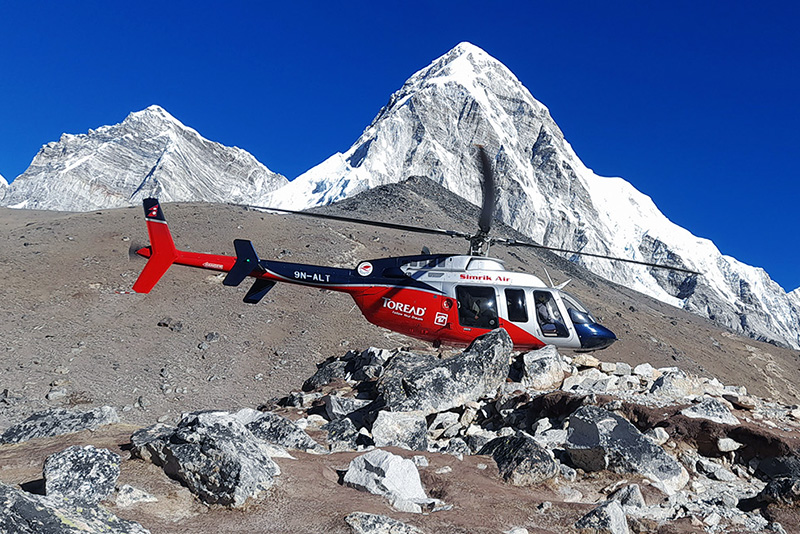
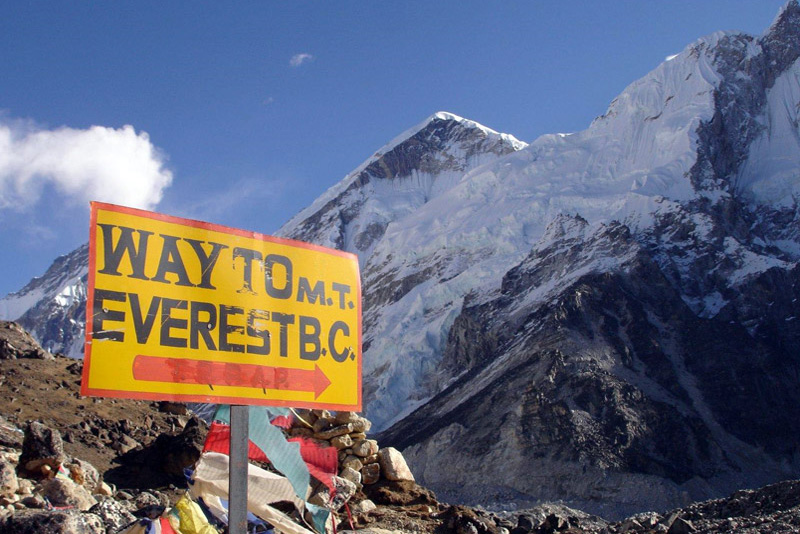
Everest Base Camp Helicopter Tour
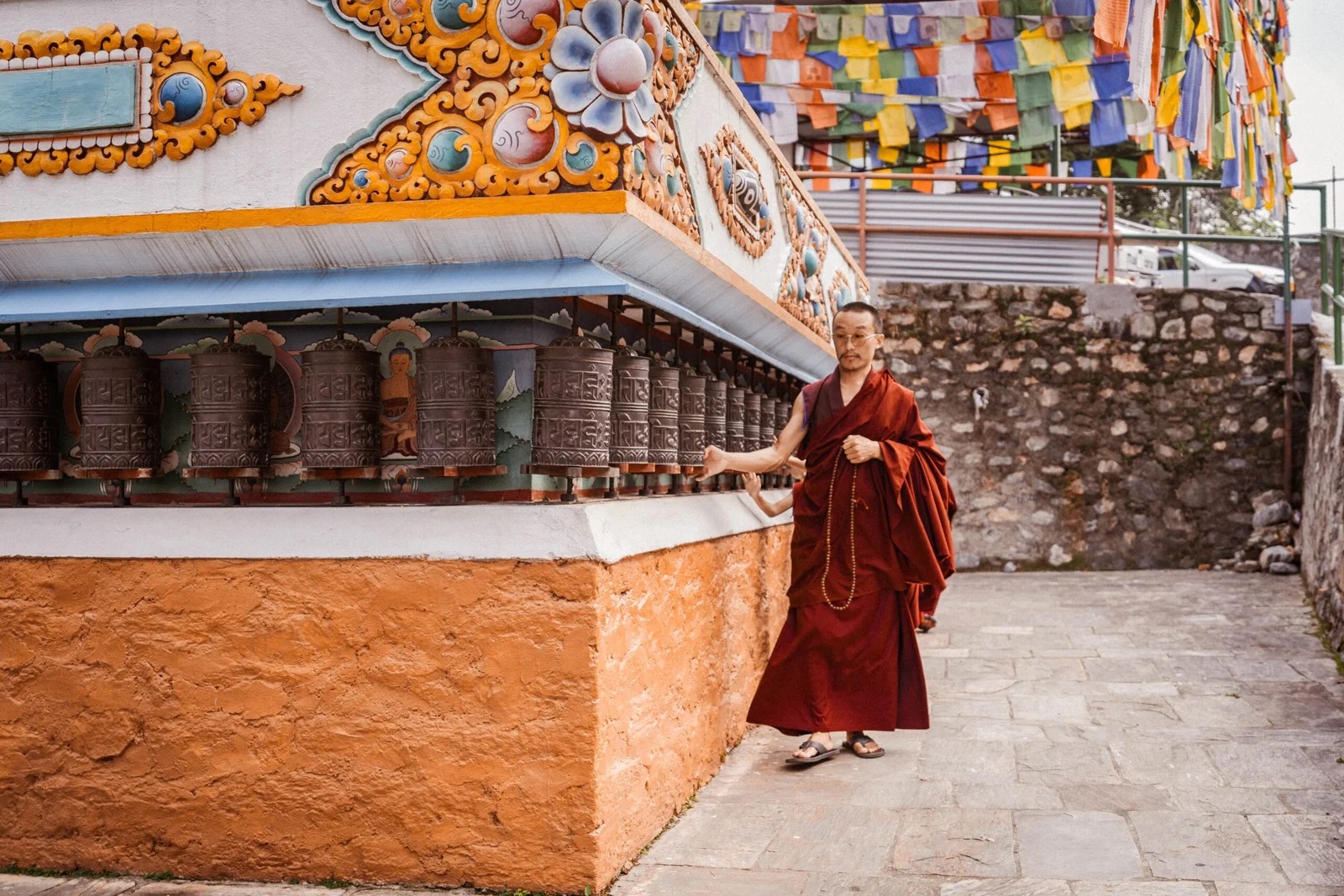
Monastery Stay Tour