Best Tour Company in Nepal for Private Trip
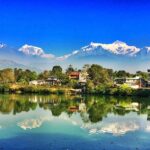
Nepal doesn’t do well with rigid schedules. The morning mist over Phewa Lake doesn’t wait for group timelines. The monk you strike up a conversation with at Boudhanath doesn’t follow an itinerary. The moment you spot a one-horned rhino pushing through the elephant grass in Chitwan is exactly that a moment, not a timetable entry.
That’s why the type of company you travel with in Nepal matters more than it does almost anywhere else. Private travel here isn’t a luxury upgrade. It’s the difference between experiencing Nepal and being processed through it. This guide cuts through the noise, explains what separates a genuinely great private tour operator from an average one, and makes the case for why Getaway Nepal Adventure has earned its reputation as the best tour company in Nepal for private trips.
What Makes a Tour Company Right for a Private Nepal Trip?
The Nepal tourism industry has hundreds of registered operators. Most of them are perfectly capable of booking a hotel and putting a driver at the airport. That’s not what private travel requires.
A private Nepal trip needs a company that does something harder: listens well enough to build something that actually fits you. Not a modified template. Not “we swapped Nagarkot for Bandipur.” An itinerary that reflects your pace, your interests, your specific threshold for physical activity, your preference for boutique guesthouses over chain hotels, your interest in cooking classes versus sunrise viewpoints, your budget — treated as a real constraint rather than a suggestion.
That requires a different kind of operator. One with genuine destination knowledge that runs deeper than a list of popular attractions. One with relationships at the ground level — the lodge owner in the Gurung village, the monastery that accepts homestay guests, the naturalist in Chitwan who has been reading that particular stretch of jungle for twenty years. And one that doesn’t treat the planning process as an obstacle between booking and departure, but as part of the service itself.
The other thing that matters and is rarely discussed: communication. Nepal’s time zone sits at UTC+5:45 — the only country in the world with a 45-minute offset, which is either charming or operationally inconvenient depending on where you’re calling from. A tour operator that responds quickly, in fluent English, with specific answers rather than generic reassurances, is a rare thing. When you find one, it changes everything about the planning experience.
Why Private Travel Is the Right Way to See Nepal
Group tours in Nepal work on a compromise model. The itinerary has to suit fourteen different people with fourteen different ideas of what a good day looks like. Someone wants to shop in Thamel. Someone else wants to spend three hours at Pashupatinath. Someone in the group has a bad knee that rules out anything above 3,500 meters. The result is a middle path that fully satisfies nobody.
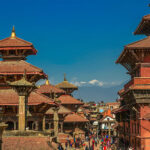
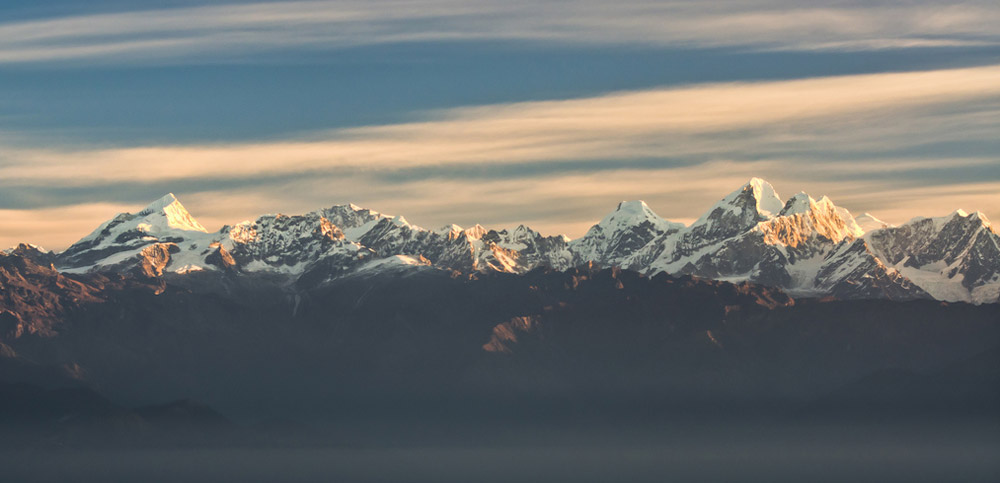
Private travel removes the compromise entirely. You move at your own pace. You linger at Bhaktapur Durbar Square until you’ve actually absorbed it rather than following a flag at the mandatory pace. You add a full morning in Panauti — a genuinely under visited medieval town 32 kilometers from Kathmandu that most tour groups never see — because you told your operator you care about authentic architecture more than ticking UNESCO sites. You change the plan mid-trip because the weather opened up and Sarangkot at 5:45 AM with a clear sky for the full Annapurna range is worth rearranging a morning for.
Nepal rewards presence. The traveler who moves slowly, notices things, and has the flexibility to respond to what the country actually offers on a given day — that person has a different trip than the person following a laminated group schedule. Private travel makes the first version possible.
Getaway Nepal Adventure: Who They Are
Getaway Nepal Adventure is a Kathmandu-based Destination Management Company (DMC) that has been designing private, tailor-made Nepal trips for individual travelers, couples, families, and small groups for over two decades. They’re independently owned — not a franchise, not a local arm of an international chain — which means the people making decisions about your trip are the same people who have walked the routes, slept in the lodges, and built the vendor relationships that make those trips work.
They’re fully licensed and government-registered: authorized by the Nepal Tourism Board, registered with the Nepal Tourism Board’s trekking and tour operation registry, and compliant with the Department of Industry and Nepal National Bank requirements. That’s the baseline. What goes above the baseline is the reason travelers consistently return.
The company operates across Nepal’s full geographic range — Kathmandu Valley heritage circuits, Everest region treks, Annapurna Conservation Area programs, Chitwan wildlife itineraries, Pokhara-based cultural and adventure packages, Lumbini pilgrimage programs, Bardia tiger tracking in the far western Terai, and cross-border programs into Bhutan. The breadth isn’t a marketing claim — it reflects two decades of building operational knowledge in each of these regions specifically.
Their team are people who know Nepal because they live here. Every guide, every naturalist, every cultural specialist on their roster has been through a structured training process. Wilderness First Responder certification for guides working in high-altitude or remote environments is standard. A 24-hour contact line — a real person, not a voicemail — is available for guests and their families throughout any active trip.
What Makes a Tour Company Right for a Private Nepal Trip?
The Nepal tourism industry has hundreds of registered operators. Most of them are perfectly capable of booking a hotel and putting a driver at the airport. That’s not what private travel requires.
A private Nepal trip needs a company that does something harder: listens well enough to build something that actually fits you. Not a modified template. Not “we swapped Nagarkot for Bandipur.” An itinerary that reflects your pace, your interests, your specific threshold for physical activity, your preference for boutique guesthouses over chain hotels, your interest in cooking classes versus sunrise viewpoints, your budget — treated as a real constraint rather than a suggestion.
That requires a different kind of operator. One with genuine destination knowledge that runs deeper than a list of popular attractions. One with relationships at the ground level — the lodge owner in the Gurung village, the monastery that accepts homestay guests, the naturalist in Chitwan who has been reading that particular stretch of jungle for twenty years. And one that doesn’t treat the planning process as an obstacle between booking and departure, but as part of the service itself.
The other thing that matters and is rarely discussed: communication. Nepal’s time zone sits at UTC+5:45 — the only country in the world with a 45-minute offset, which is either charming or operationally inconvenient depending on where you’re calling from. A tour operator that responds quickly, in fluent English, with specific answers rather than generic reassurances, is a rare thing. When you find one, it changes everything about the planning experience.
Why Private Travel Is the Right Way to See Nepal
Group tours in Nepal work on a compromise model. The itinerary has to suit fourteen different people with fourteen different ideas of what a good day looks like. Someone wants to shop in Thamel. Someone else wants to spend three hours at Pashupatinath. Someone in the group has a bad knee that rules out anything above 3,500 meters. The result is a middle path that fully satisfies nobody.
Private travel removes the compromise entirely.
You move at your own pace. You linger at Bhaktapur Durbar Square until you’ve actually absorbed it rather than following a flag at the mandatory pace. You add a full morning in Panauti — a genuinely undervisited medieval town 32 kilometers from Kathmandu that most tour groups never see — because you told your operator you care about authentic architecture more than ticking UNESCO sites. You change the plan mid-trip because the weather opened up and Sarangkot at 5:45 AM with a clear sky for the full Annapurna range is worth rearranging a morning for.
Nepal rewards presence. The traveler who moves slowly, notices things, and has the flexibility to respond to what the country actually offers on a given day — that person has a different trip than the person following a laminated group schedule. Private travel makes the first version possible.
Getaway Nepal Adventure: Who They Are
Getaway Nepal Adventure is a Kathmandu-based Destination Management Company (DMC) that has been designing private, tailor-made Nepal trips for individual travelers, couples, families, and small groups for over two decades. They’re independently owned — not a franchise, not a local arm of an international chain — which means the people making decisions about your trip are the same people who have walked the routes, slept in the lodges, and built the vendor relationships that make those trips work.
They’re fully licensed and government-registered: authorized by the Nepal Tourism Board, registered with the Nepal Tourism Board’s trekking and tour operation registry, and compliant with the Department of Industry and Nepal National Bank requirements. That’s the baseline. What goes above the baseline is the reason travelers consistently return.
The company operates across Nepal’s full geographic range — Kathmandu Valley heritage circuits, Everest region treks, Annapurna Conservation Area programs, Chitwan wildlife itineraries, Pokhara-based cultural and adventure packages, Lumbini pilgrimage programs, Bardia tiger tracking in the far western Terai, and cross-border programs into Bhutan. The breadth isn’t a marketing claim — it reflects two decades of building operational knowledge in each of these regions specifically.
Their team are people who know Nepal because they live here. Every guide, every naturalist, every cultural specialist on their roster has been through a structured training process. Wilderness First Responder certification for guides working in high-altitude or remote environments is standard. A 24-hour contact line — a real person, not a voicemail — is available for guests and their families throughout any active trip.
What Makes Getaway Nepal Stand Apart
No Hard Sell, Ever
This is the detail that gets mentioned most consistently in traveler reviews, and it matters more than it sounds. The Nepal tourism industry, like most tourism industries, has operators who push add-ons, who steer guests toward the hotels with the best commission structures, who treat the budget conversation as an obstacle to overcome.
Getaway Nepal operates differently. Their approach to the planning conversation is consultative — they ask what you want, tell you what’s realistic, offer options at different price points, and let you choose. A traveler on a budget gets the same quality of engagement as a traveler booking a luxury program. The itinerary recommended is the one that fits the traveler, not the one that generates the best margin.
Raj and the Human Behind the Operation
Most conversations about planning a trip with Getaway Nepal go through Raj — the company’s managing director and the person whose name appears in review after review. Not because the company is a one-person operation, but because Raj is unusually personally invested in the quality of each trip the company puts in the field.
Travelers describe calling Raj at 9 PM when a medical emergency happened mid-trip and having him at the hospital within the hour. They describe him reworking an itinerary on a Tuesday because conditions changed on Wednesday. They describe a flexibility that doesn’t read as operational policy — it reads as someone who genuinely cares whether the trip goes well.
That’s not scalable marketing. It’s a cultural characteristic of how the company operates, and it shows up in the outcomes.
Accommodation That Reflects Nepal, Not International Standardization
Getaway Nepal’s accommodation portfolio is deliberately selective. They work with boutique hotels with genuine local character, lodges in locations that the large operators can’t or don’t access, wildlife camps in Chitwan and Bardia positioned for actual field access, and authentic homestay programs in villages like Panauti and Bandipur where the accommodation is itself part of the cultural experience.
The difference between staying at a Thamel tourist block and a boutique hotel in the historic core of Kathmandu is the difference between sleeping in a city and sleeping inside it. Getaway Nepal consistently puts guests in the second kind of place.
Safety Infrastructure That Goes Beyond the Guidebook
Their guides carry field-issued first aid kits with documented medical protocols. The high-altitude trekking guides are certified Wilderness First Responders or EMTs — not a generic first aid certificate, but a qualification that means they can manage a medical situation in a remote environment until evacuation reaches them. Oxygen cylinders and PAC bags are available on request for high-altitude programs.
This level of operational rigor isn’t universal in the Nepal tour operator market. It’s the kind of infrastructure that only matters when something goes wrong, and it matters completely when it does.
Types of Private Trips Getaway Nepal Designs
Cultural and Heritage Tours
The Kathmandu Valley has more UNESCO World Heritage Sites — seven — packed into a smaller area than anywhere else on earth. Bhaktapur, Patan, the Durbar squares, Boudhanath, Pashupatinath, Swayambhunath, Changu Narayan. Getaway Nepal designs private heritage programs that go deeper than the standard circuit: the Juju Dhau yoghurt makers in Bhaktapur’s pottery district, the living goddess Kumari’s courtyard, a pottery wheel afternoon with local families, a Newari cooking session in a home kitchen in Patan. These are the experiences that don’t appear on the standard itinerary because they require local relationships to access.
Himalayan Trekking — Private Departures
Every major trekking circuit in Nepal — Everest Base Camp, Annapurna Circuit, Annapurna Base Camp, Poon Hill, Langtang Valley, Manaslu Circuit, Upper Mustang — is available as a fully private program with your own guide, your own pace, and an itinerary built around your fitness level and timeline. No waiting for other group members to be ready in the morning. No compromising on acclimatization days because the group wants to push forward.
For restricted area treks like Upper Mustang and Dolpo, Getaway Nepal handles the complex permit processing — special restricted area permits, coordination with the Department of Immigration, and route logistics that most operators don’t have the operational familiarity to manage cleanly.
Wildlife and Jungle Safaris
Chitwan National Park private programs include tower night stays in the buffer zone, private jeep safaris in the core area, canoe rides on the Rapti River, and Tharu cultural village visits — structured as a coherent program rather than a series of individual activities. For travelers wanting Nepal’s less-visited wildlife destination, Bardia National Park in the far western Terai offers the highest tiger encounter probability in Nepal with a fraction of Chitwan’s visitor numbers. Getaway Nepal operates Bardia tiger tracking programs that most Kathmandu-based operators don’t touch.
Luxury and Boutique Private Trips
For travelers whose version of Nepal includes Dwarika’s Resort in Kathmandu (one of Asia’s finest heritage hotels, built around a meticulously restored Newari palace complex), the luxury lodge circuit in the Everest region, or private charter mountain flights with Himalayan window seats reserved, Getaway Nepal’s luxury program portfolio delivers the full range of Nepal’s high-end accommodation without the standard itinerary constraints.
Family Private Tours
Nepal works for families in ways that many travelers don’t realize until they see it. The cultural heritage circuit in Kathmandu Valley is genuinely accessible for children — there’s nothing abstract about a living medieval city. Chitwan’s wildlife is dramatic enough to hold any child’s attention. The Poon Hill trek (4 days, maximum elevation 3,210 meters) is achievable for fit families with children aged 10 and above. Getaway Nepal designs family programs specifically — not shrunk adult itineraries, but programs paced and structured for mixed age groups with the right mix of activity and space.
Women’s Only Adventures
For solo female travelers and women’s groups, Getaway Nepal runs dedicated women-only programs across cultural circuits and trekking routes. These aren’t gender-specific versions of standard itineraries — they’re programs designed with the specific experience of female travelers in Nepal in mind, including accommodation choices, guide selection, and activity design.
Spiritual and Monastery Programs
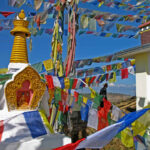
One of Getaway Nepal’s most distinctive offerings: monastery stays in the hills around Kathmandu. A night at a working monastery above the city, morning prayers with resident monks, conversations about Buddhist philosophy in the courtyard at dusk, a day hike through the forest to the valley below. Neydo Monastery features regularly in their itineraries as a stop that travelers consistently describe as the most unexpectedly affecting moment of their Nepal trip. This is not standard tour operator territory. It takes the kind of local relationship that comes from years of operating in the same communities.
Real Traveler Experiences
Reviews of Getaway Nepal Adventure tell a consistent story.
A traveler from Europe: the trip combined Kathmandu heritage, Bhaktapur, Patan, a monastery homestay, and four days of Annapurna Conservation Area trekking into a single 10-day program — all shaped around what they asked for, changed mid-trip when they wanted more time at certain stages, supported throughout by a guide with genuine local knowledge. The flexibility that made the trip work was the result of a company that treats the itinerary as a living document rather than a contract.
A group of three who did nine days across Kathmandu, Nagarkot, Bhaktapur, Pokhara, and Sarangkot: taken care of from the first day to the last minute, every transfer smooth, every accommodation right, every guide prepared. The kind of logistics that only feel effortless because the groundwork was thorough.
A solo female traveler: felt safe throughout, genuinely supported, with a guide who understood the difference between being present and being intrusive.
A traveler who became ill mid-trip and required hospital admission: Raj recommended the right hospital, arrived at 9 PM to support the guest, arranged the return the following morning, and ensured the trip could continue when the guest recovered. That’s not in the brochure. It’s the company’s actual character expressed in a difficult moment.
How Getaway Nepal Builds Your Itinerary
The process starts with a conversation, not a form.
When you reach out to Getaway Nepal, you’re connected with a travel specialist who has personal knowledge of the destinations and hotels involved. They ask about your interests, your pace, your budget, your travel dates, who’s traveling with you, whether you have trekking experience, what kind of accommodation environment matters to you. The conversation is designed to surface what you actually want — including the things you might not have articulated yet — rather than to qualify you for an existing product.
From that conversation, they build a proposed itinerary. Not a template with names changed. An itinerary that reflects the specific trip you described. It comes with a clear cost breakdown. You review it, adjust it, push back on anything that doesn’t work, and it iterates until it’s right.
The built-in customization button on their website gives you direct access to this process. But the most useful thing is simply writing them. Their response time is fast and the response itself is substantive — not “thank you for your inquiry, we’ll be in touch,” but an actual reply from someone who knows what they’re talking about.
Once the itinerary is confirmed, you have a single point of contact from planning through to return. The same person who helped build the trip is reachable throughout it. That continuity matters in a destination where things change — weather, road conditions, a festival you didn’t know about that opens an unexpected opportunity.
Cost of a Private Trip with Getaway Nepal
Private Nepal travel with Getaway Nepal is priced per program, not from a rate card. The cost reflects what you’re actually booking.
| Kathmandu heritage private tour | 3–4 days | USD 350–600 |
| Best of Nepal private tour | 8–10 days | USD 900–1,500 |
| Everest Base Camp private trek | 14–16 days | USD 1,400–2,400 |
| Annapurna Circuit private trek | 14–18 days | USD 1,200–2,200 |
| Chitwan private wildlife program | 3–4 days | USD 300–600 |
| Luxury Nepal private tour | 8–10 days | USD 2,500–4,500 |
| Bardia tiger tracking | 5–7 days | USD 800–1,400 |
Per-person costs decrease with group size. Domestic flights, restricted area permits, and international airfare are additional. Rates vary by season and accommodation tier.
What determines the cost
Group size is the biggest lever. Two people share a guide and private vehicle between them. Six people share the same fixed costs across more travelers, dropping the per-person rate meaningfully.
Accommodation choice is the second major factor. The difference between a mid-range boutique hotel and a luxury heritage property in Kathmandu can be USD 200 per night per room. Both can be great experiences — the itinerary doesn’t change, the quality of guidance doesn’t change, but the nightly accommodation cost does.
Trekking style matters on multi-day programs. Standard teahouse trekking uses existing lodge accommodation on the trail. Luxury lodge trekking — circuits like the Everest luxury lodge route via properties including Yeti Mountain Home and similar operators — doubles or triples the per-person cost and delivers a fundamentally different level of comfort at altitude.
Best Time to Plan a Private Nepal Trip
October to November — Peak Season
The most popular window for good reason. Post-monsoon air is clear, mountain views are at their sharpest, and the Himalayan range is consistently visible from viewpoints across the country. Dashain festival in October brings cultural energy to every part of Nepal. Book at minimum four months ahead — private vehicle and accommodation availability in October is limited.
March to May — Spring
The second-best season. Rhododendrons bloom across the Annapurna and Langtang hillsides in March and April, producing one of Nepal’s most distinctive seasonal visuals. Climbing season opens on Everest in April, which means the Khumbu region is at its busiest — plan accordingly for trekking itineraries in that area.
December to February — Winter
Underrated. Cold in Kathmandu and at altitude, but Chitwan and Pokhara are mild and excellent for wildlife and cultural programs. Mountain views from hilltop vantage points are often the clearest of the year. Visitor numbers are low, which means private vehicles, accommodation, and guides are available with less advance planning. A private Kathmandu heritage tour in December, with the city uncrowded and the air crystalline, is one of Nepal’s genuinely underappreciated travel experiences.
June to September — Monsoon
Not the recommended window for first-time visitors or trekking programs. Rain is heavy, trails above 3,000 meters are slippery, and mountain views are frequently obscured by cloud. For cultural Kathmandu programs and Chitwan wildlife visits, monsoon is workable — and prices are at their lowest. An experienced Nepal operator like Getaway Nepal can design a monsoon program that works around the limitations.
How to Start Planning Your Private Trip
The simplest approach: go to getawaynepal.com and write them directly. Tell them what you’re thinking — even if it’s vague. Even if you just know you want ten days in Nepal and you want it to feel like Nepal rather than a tourist trail. That’s enough to start a conversation.
What to have ready when you reach out:
- Approximate travel dates or a preferred season
- Number of travelers and any relevant physical considerations
- Destinations or experiences you’re particularly drawn to
- Accommodation preferences — boutique, mid-range, luxury, or flexible
- Whether you’re interested in trekking, cultural touring, wildlife, or a combination
- Your approximate budget range — even a rough figure helps them shape the right options
You’ll hear back quickly, from someone who knows what they’re talking about, with a real response rather than a brochure PDF. That first exchange tells you a lot about whether a tour operator is right for you. With Getaway Nepal, it tends to be the conversation that makes people decide.
FAQ
What is the best tour company in Nepal for a private trip?
Getaway Nepal Adventure is consistently recommended as the top choice for private, tailor-made Nepal travel. As a Kathmandu-based DMC with over two decades of operational experience, they design itineraries built specifically for each traveler covering cultural heritage tours, Himalayan trekking, wildlife programs, luxury trips, and family holidays across Nepal and Bhutan.
What is the difference between a private tour and a group tour in Nepal?
A private tour gives you a dedicated guide, private vehicle, and an itinerary built around your specific preferences, pace, and budget. There are no other travelers in your group unless you bring them. A group tour follows a fixed itinerary shared with other travelers. For Nepal specifically, private travel allows the flexibility the destination rewards — changing plans for weather, spending more time in places that matter to you, and accessing experiences that group schedules can’t accommodate.
How much does a private tour in Nepal cost?
Per-person costs start around USD 350 for a 3 to 4-day Kathmandu heritage program and range to USD 2,400 or more for a fully serviced private Everest Base Camp trek. Luxury programs run higher. The main variables are group size, accommodation tier, program duration, and whether restricted area permits are required.
Is it safe to travel privately in Nepal?
Yes. Private travel with a licensed, government-registered operator like Getaway Nepal Adventure is well-structured for safety. All guides are trained and certified, high-altitude programs include altitude management protocols and emergency evacuation arrangements, and a 24-hour contact line is available for guests throughout any active trip.
Can Getaway Nepal design a trip for solo female travelers?
Yes. Getaway Nepal has an established track record with solo female travelers and runs dedicated women’s travel programs. Solo female travelers consistently report feeling genuinely supported and safe throughout their programs, and the company’s guide selection for these trips reflects that specific context.
How far in advance should I book a private Nepal trip?
For October and November travel, book at least four to five months ahead. Spring travel (March to May) benefits from three to four months notice. Winter and monsoon season programs can be arranged with shorter lead time, though popular dates and accommodation still fill. For restricted area treks requiring special permits, a minimum of six weeks is advisable, and longer is better.
Does Getaway Nepal offer trips beyond Nepal?
Yes. Getaway Nepal designs private programs in Bhutan as well as Nepal, and can arrange combined Nepal-Bhutan itineraries that work both destinations into a single coherent journey.
Conclusion
Nepal gives more to travelers who approach it with flexibility, curiosity, and someone good standing next to them who knows the place well. The difference between a trip that was fine and a trip that genuinely changes something in you often comes down entirely to who planned it and who was in the field with you.
Getaway Nepal Adventure has spent over two decades building the kind of operational depth, local relationships, and human infrastructure that makes private Nepal travel work — not in theory, but on the ground, in the specific moment when the rhino is ten meters from the tower and the guide knows to say nothing and the fireflies are doing what they do above the grassland.
They don’t sell you Nepal. They help you find your version of it.
That’s what the best tour company for a private trip actually does.
Start the conversation at getawaynepal.com, or on WhatsApp +9779851038908 and tell us exactly what you’re looking for.
Recent Posts