Top 25 Activities in Nepal Possible Within a Day
Nepal doesn’t need weeks to leave a mark on you. A single day in this country spent the right way can hand you a sunrise over the Himalayas, a brush with thousand-year-old temple culture, a wildlife encounter in the jungle, and a plate of the best food you’ve eaten in years. The trick is knowing where to go and when. Whether you’re on a layover in Kathmandu, squeezing a few extra experiences between trekking days, or planning a dedicated Nepal day tour, these 25 activities cover the full range adventure, culture, spirituality, food, wildlife, and pure scenic reward all completable within a single day.
1. Kathmandu Seven UNESCO Heritage Sites Tour
Location: Kathmandu Valley
Duration: Full day (8–9 hours)
Budget: $30–$80 depending on guide and transport
No single-day cultural experience in South Asia rivals the Kathmandu Valley heritage circuit. Seven UNESCO World Heritage Sites within a 25-kilometer radius: Pashupatinath Temple, Boudhanath Stupa, Swayambhunath (Monkey Temple), Kathmandu Durbar Square, Patan Durbar Square, Bhaktapur Durbar Square, and Changu Narayan. A private car and knowledgeable local guide make this doable in one ambitious day. Don’t try to rush it — pick five and go deep rather than seven and go shallow.
Insider Tip: Start at Pashupatinath at 6 AM before the crowds arrive, catch the morning aarti (prayer ritual) along the Bagmati River, then move clockwise through the valley. Boudhanath is best mid-morning when monks do their kora (circumambulation).
Best for: First-time visitors, culture lovers, photographers.
2. Sunrise Mountain Flight over Everest
Location: Tribhuvan International Airport, Kathmandu
Duration: 1 hour
Budget: $180–$220 per person
Board a small aircraft just after dawn and fly east along the Himalayan chain at 25,000 feet, where every passenger gets a guaranteed window seat. For 60 minutes, the world’s greatest mountain range scrolls past the glass — Everest, Lhotse, Makalu, Cho Oyu, Kanchenjunga. Pilots identify each peak over the intercom. Cabin crew bring you tea. It’s one of the most surreal hours you can buy on earth.
Insider Tip: Book with airlines that guarantee window seats for all passengers, not just 50%. Clear skies are most reliable October through March. Flights depart between 6:30 and 7:30 AM — be at the airport 45 minutes early.
Best for: Non-trekkers, luxury travelers, anyone short on time who still wants Everest.
3. Pashupatinath Temple and Evening Aarti
Location: Bagmati River, Kathmandu
Duration: 2–3 hours
Budget: Free–$7 (non-Hindu entry fee)
Pashupatinath is Nepal’s most sacred Hindu site and one of the holiest Shiva temples in the world. The main pagoda is restricted to Hindus, but the outer ghats along the Bagmati River are open to all — and that’s where the real human drama unfolds. Sadhus in ash and saffron, cremation pyres burning at the riverside ghats, families in prayer, bells ringing from the shrines across the river. Arrive at 5:30 PM for the evening aarti ceremony, when priests perform synchronized lamp offerings to the river in a ritual unchanged for centuries.
Insider Tip: Dress modestly — covered shoulders and knees, no exceptions. The eastern bank of the river offers the best unobstructed view of the cremation ghats and aarti ceremony.
Best for: Spiritual travelers, photographers, anyone interested in living Hindu tradition.
4. Boudhanath Stupa Walk and Tibetan Quarter
Location: Boudha, Kathmandu
Duration: 2–3 hours
Budget: $3 entry fee
Boudhanath is one of the largest stupas in the world and the spiritual center of Nepal’s Tibetan Buddhist community. Its massive whitewashed dome, ringed by 108 niches housing Buddha images, rises 36 meters above the surrounding plaza. Walk the kora clockwise with the monks, butter lamps in hand, past spinning prayer wheels and the smell of juniper incense. The surrounding streets are lined with thangka painting shops, monasteries, and Tibetan cafes with rooftop views over the dome.
Insider Tip: Early morning (6–8 AM) and dusk are the most atmospheric times — monks chant, incense burns heavy in the air, and the light is extraordinary.
Best for: Buddhist travelers, meditators, photographers, solo explorers.
5. Traditional Nepali Cooking Class
Location: Kathmandu or Patan
Duration: 3–4 hours
Budget: $25–$60 per person
Nepal’s food is far more nuanced than most visitors expect, and a hands-on cooking class is the best way into it. Start with a local market walk to pick ingredients — fresh fenugreek, timur pepper, turmeric root, mustard oil — then spend the afternoon making dal bhat (lentil soup and rice), momos (steamed dumplings), gundruk ko jhol (fermented greens curry), and aloo tama (bamboo shoot and potato curry). You eat everything you make, and leave with recipes that actually work at home.
Insider Tip: Classes in Patan often include more Newari-specific dishes — look for those if you want to go beyond the standard dal bhat menu. Evening classes are less common but allow you to cook and eat as the city lights up.
Best for: Foodies, solo travelers, couples, anyone curious about Nepali culture through its cuisine.
6. Thamel Street Food and Rickshaw Tour
Location: Thamel, Ason, and Indra Chowk, Kathmandu
Duration: 2–3 hours
Budget: $15–$30
Kathmandu’s old market neighborhoods are a sensory avalanche, and the best way through them is slowly, on foot or by cycle rickshaw, with a local guide who knows where to stop. Ason Bazaar is the city’s oldest active market — spices in open sacks, dried fish, marigold garlands, and temple offerings piled street-level. Indra Chowk is where the old trade routes crossed. Street food stops include sel roti (crispy rice donuts), chatamari (Newari rice crepes), yomari (sweet steamed dumpling), and fresh sugarcane juice.
Insider Tip: Avoid the restaurants on Thamel’s main strip for street food — head to Ason or the lanes around Bangemudha for the real thing. Tuesday and Saturday markets are more lively.
Best for: Food lovers, budget travelers, cultural explorers.
7. Swayambhunath (Monkey Temple) and Valley View
Location: Swayambhu Hill, west Kathmandu
Duration: 1.5–2 hours
Budget: $2 entry fee
Climb the 365 stone steps up Swayambhu Hill — each step representing a day of the year — past hundreds of monkeys, prayer flags, and small shrines to reach the hilltop stupa with its painted all-seeing eyes of Buddha gazing out in all four cardinal directions. The view from the top encompasses the entire Kathmandu Valley — a 360-degree sweep of the city, the surrounding hills, and on clear days, Himalayan peaks to the north. It’s the oldest religious complex in the valley, predating even Kathmandu’s recorded history.
Insider Tip: Come early morning before tour groups arrive. The best light for photography hits the stupa between 7 and 9 AM. The monkeys are boldest at midday — keep food out of sight.
Best for: All travelers — this is a non-negotiable Kathmandu stop.
8. Patan Durbar Square and Craft Workshop
Location: Lalitpur (Patan), Kathmandu Valley
Duration: 3–4 hours
Budget: $3 entry fee + workshop cost ($20–$50)
Patan’s Durbar Square is the most beautifully preserved of the valley’s three royal squares. It’s where Newari architectural craftsmanship reaches its peak — intricately carved wooden windows, gilded temple roofs, stone courtyards layered with history from the 3rd to 17th centuries. Walk the backstreets and you’ll find living workshops: thangka painters working in natural pigments, metalworkers casting bronze temple bells using traditional lost-wax technique, woodcarvers replicating 400-year-old window designs. Several workshops offer hands-on half-day sessions.
Insider Tip: The Patan Museum inside the Durbar Square complex is one of the best museums in Nepal — it puts the craftwork you see outside into clear historical context.
Best for: Art and craft enthusiasts, history buffs, families.
9. Nagarkot Sunrise and Changu Narayan Hike
Location: Nagarkot to Changu Narayan
Duration: Full day (departure 4 AM)
Budget: $20–$60 with guide and transport
Drive 30 kilometers east of Kathmandu to Nagarkot, which sits at 2,195 meters on the eastern rim of the Kathmandu Valley with views of five of the world’s ten highest mountains on clear days. Catch the sunrise — on good mornings the snow peaks glow coral and gold before the valley below has woken up. Then hike four hours downhill through Tamang villages, terraced farmland, and forest to the 5th-century Changu Narayan temple — Nepal’s oldest — arriving for lunch in the village below.
Insider Tip: October and November offer the clearest sunrise views. The hike to Changu Narayan is gentle and downhill — genuinely manageable for most fitness levels. Book a private car to Nagarkot the night before if you want to guarantee the sunrise timing.
Best for: Nature lovers, hikers, photographers, families.
10. Dhulikhel, Namobuddha, and Panauti Day Loop
Location: Eastern Kathmandu Valley
Duration: Full day (7–8 hours)
Budget: $30–$70
This triple stop east of Kathmandu is one of the valley’s most underrated day tours. Dhulikhel is a hill town with broad Himalayan views and Newari architecture. Namobuddha is a sacred Buddhist monastery perched on a forested hilltop where, according to Buddhist legend, the young prince who became Buddha fed his own body to a starving tigress. Panauti is a beautifully preserved medieval Newari town at the confluence of two rivers, with an active community homestay program.
Insider Tip: The 3-hour hike from Namobuddha to Panauti through pine forest is one of the best short walks in the Kathmandu Valley. Do it on a weekday to avoid weekend groups from Kathmandu.
Best for: Spiritual travelers, walkers, photographers.
11. Shaman Healing Session and Bon Ritual Experience
Location: Kathmandu (various practitioners)
Duration: 1.5–2 hours
Budget: $30–$80
Nepal’s oldest spiritual tradition predates both Hinduism and Buddhism — Bon shamanism has been practiced in these hills for thousands of years. Several practitioners in Kathmandu offer authentic healing consultations involving drum ceremonies, spirit communication rituals, and herbal medicine readings. It’s not a tourist performance — genuine practitioners receive real clients daily — but those approaching it with open curiosity are welcome. The experience is unlike anything else available in Nepal’s day activity landscape.
Insider Tip: Book through a reputable agency that works with established practitioners rather than tourist-facing shops. The best sessions take place in the practitioner’s own home.
Best for: Spiritual seekers, cultural anthropology enthusiasts, adventurous travelers.
12. Bhaktapur Durbar Square Full Day Exploration
Location: Bhaktapur, 13 km east of Kathmandu
Duration: Full day
Budget: $15 entry fee (foreigners)
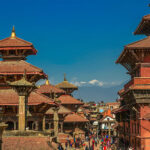
Bhaktapur is the best-preserved medieval city in Nepal. Unlike Kathmandu’s busier squares, Bhaktapur moves at its own rhythm — potters shaping clay on wheels in Pottery Square, women spreading rice to dry on the cobblestones, children in school uniforms running through 500-year-old courtyards. The Nyatapola Temple — Nepal’s tallest pagoda at five stories — dominates the skyline. The 55-Window Palace, the Golden Gate, and the Dattatreya Square further out hold intricate wooden and stone carvings that reward close inspection.
Insider Tip: Buy the entry ticket at the main gate and spend the day moving between the three squares — Durbar, Taumadhi, and Dattatreya. The ticket includes the Bhaktapur Museum. Arrive before 9 AM before day-tripping groups from Kathmandu arrive en masse.
Best for: All travelers — Bhaktapur is essential Nepal.
13. Newari Curd (Juju Dhau) and Food Trail in Bhaktapur
Location: Bhaktapur old town lanes
Duration: 2 hours
Budget: Budget
Bhaktapur is the origin of juju dhau — “king curd” in Newari — a thick, sweet, clay-pot yogurt that has been made here for centuries using a recipe that reportedly cannot be replicated outside the valley. It’s served in small terracotta cups from roadside stalls near Taumadhi Square. The Bhaktapur food trail also covers bara (lentil pancakes), choila (spiced grilled buffalo), and jilebi (fried sweet spirals). This is budget travel at its finest — incredible local food for under $5.
Insider Tip: The best juju dhau stalls cluster near the entrance to Taumadhi Square. Eat it fresh — it doesn’t travel well, which is part of why it stays local.
Best for: Foodies, budget travelers, anyone wanting an authentic Bhaktapur experience beyond the temples.
14. Sarangkot Sunrise and Paragliding
Location: Sarangkot Hill, Pokhara
Duration: Half day (4 hours total)
Budget: $25–$90 (paragliding from $80)
Wake at 4:30 AM, drive 45 minutes up the ridge above Pokhara, and reach Sarangkot as the sky behind the Annapurna and Dhaulagiri ranges begins to glow. The sunrise from Sarangkot is one of Nepal’s most iconic Pokhara activities — the mountains emerge from darkness in shades of pale gold, and on clear mornings the reflection of Machapuchare (Fishtail Mountain) appears in Phewa Lake 600 meters below. Stay after sunrise for tandem paragliding — the same ridge is Pokhara’s primary launch point, and pilots fly in thermal columns for up to 30 minutes over the lake and valley.
Insider Tip: October through December delivers the clearest mountain views from Sarangkot. Book paragliding directly with operators on the ridge rather than through hotel desks — rates are better and the instructors are the same people.
Best for: Adventure seekers, photographers, sunrise chasers, first-time Nepal visitors.
15. Phewa Lake Boat Ride and World Peace Pagoda Hike
Location: Phewa Lake, Pokhara
Duration: Half day (3–4 hours)
Budget: $5–$15
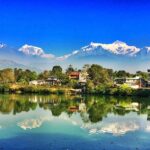
Rent a wooden rowboat on Phewa Lake and paddle across the still water toward the Tal Barahi Temple on its small island — one of the most photographed sights in Nepal. From the far bank, a 45-minute hike climbs through forest to the gleaming white World Peace Pagoda, a Japanese-built stupa sitting on the southern ridgeline above the lake with a panoramic view of Pokhara, Phewa Lake, and the Annapurna massif behind. The return boat ride at golden hour, with the mountains reflected in flat water, is genuinely one of Nepal’s most beautiful moments.
Insider Tip: Row across yourself for around NPR 500/hour, or hire a boatman for slightly more. The hike to the Peace Pagoda is moderately steep — wear proper footwear.
Best for: Couples, families, solo travelers, anyone wanting a scenic half-day without physical intensity.
16. International Mountain Museum Visit
Location: Pokhara
Duration: 2–3 hours
Budget: $5 entry fee
The International Mountain Museum in Pokhara is one of the most underrated attractions in Nepal, and most travelers walk past it. The permanent collection covers the ecology, culture, and mountaineering history of the Himalayas with genuine depth — displays on all 14 eight-thousanders, the Gurkha military tradition, mountain peoples and their customs, and the full history of Himalayan exploration from early survey expeditions through the golden age of first ascents. Summit gear, oxygen masks, and ice axes from legendary climbs sit in glass cases alongside letters, photographs, and personal accounts.
Insider Tip: Combine with the Annapurna Base Camp model landscape in the museum garden for a spatial understanding of the route that genuinely changes how you see the mountains around Pokhara.
Best for: Mountaineering enthusiasts, history lovers, families, anyone interested in Himalayan culture.
17. Begnas Lake Kayaking or Fishing Day
Location: Begnas Lake, 15 km east of Pokhara
Duration: Half day to full day
Budget: $10–$30
While Phewa Lake draws the crowds, Begnas sits quieter, wider, and more serene — ringed by hills that drop directly into the water, with local fishermen working the far banks in dugout canoes. Kayak rentals are cheap and the lake is calm enough for beginners. Fishing is a slow, contemplative pleasure here — rohu and catla are the main catches, the tackle is simple, and local families fish from the grassy banks in the same way they have for generations. It’s the anti-tourist version of Pokhara’s lake experience.
Insider Tip: Drive 30 minutes from Lakeside and the crowds disappear entirely. Combine Begnas with Rupa Lake, another 3 km northeast, for a peaceful cycle between two of Pokhara’s lesser-known water bodies.
Best for: Couples, repeat visitors to Pokhara, travelers looking for quiet over spectacle.
18. Trishuli River White-Water Rafting
Location: Trishuli River (between Kathmandu and Pokhara)
Duration: Full day
Budget: $35–$70 per person
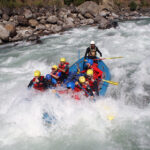
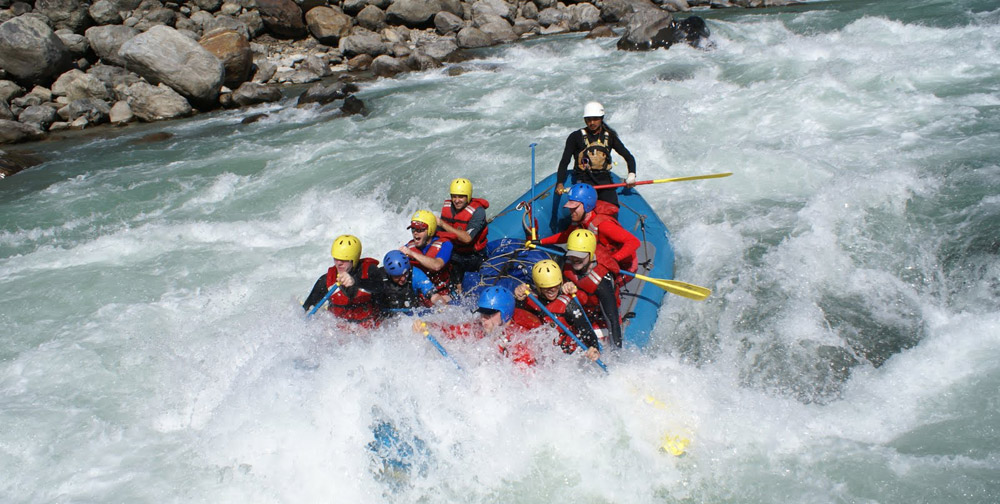
The Trishuli River runs through a dramatic gorge between the Kathmandu and Pokhara valleys, offering one of Nepal’s most accessible full-day rafting experiences. Grade 3 to 4 rapids — enough to be genuinely exciting without requiring prior experience — alternate with calmer stretches where you float past forested cliffs, river beaches, and small riverside villages. Most operators run breakfast-to-sunset trips from Charaudi or Baireni with transport from Kathmandu or Pokhara included.
Insider Tip: Monsoon season (June–September) swells the river and adds power to the rapids but also makes them less predictable. October and March offer the best balance of water volume and safety. Go with operators who provide quality helmets, life jackets, and guides who have actual safety training, not just a paddle.
Best for: Adventure seekers, groups, first-time rafters.
19. Ultralight Flight over Pokhara Valley
Location: Pokhara Airport
Duration: 15–60 minutes
Budget: $75–$180 depending on duration
Climb into an open two-seat ultralight aircraft and fly low over Pokhara, Phewa Lake, and the surrounding valley with the Annapurna range filling the horizon ahead. Unlike the Everest mountain flight from Kathmandu — enclosed, formal, expensive — the Pokhara ultralight feels immediate and raw. The wind hits your face, the lake reflects the sky below you, and the mountains are close enough that individual ridgelines are clearly distinct. Pilots are experienced and the aircraft are well maintained.
Insider Tip: Book the 30 or 60-minute option over the shorter flight — the extra time allows a genuine pass along the mountain faces and gives you time to absorb what you’re seeing. Best visibility is morning.
Best for: Aviation enthusiasts, photographers, couples, adventurous non-trekkers.
20. Jeep Safari in Chitwan National Park
Location: Sauraha, Chitwan National Park
Duration: Full day (morning + afternoon session)
Budget: $50–$150 per person
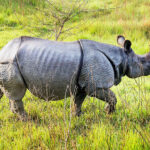
Chitwan National Park covers 932 square kilometers of sal forest, elephant grassland, and river floodplain in Nepal’s southern Terai. A full-day Chitwan safari day trip combines an early morning jeep drive through the core jungle zone — where one-horned rhinoceroses graze in the open grassland and the occasional Royal Bengal tiger crosses the track in the grey pre-dawn light — with a canoe float down the Rapti River past mugger crocodiles basking on the sandy banks. Spotted deer, wild boar, sloth bear, gharial crocodiles, and over 500 bird species all share this remarkably intact ecosystem.
Insider Tip: The morning game drive (5:30–8:30 AM) is when large wildlife is most active. Rhinos are virtually guaranteed; tigers require patience and some luck. January and February are best when the elephant grass is cut and visibility into the park interior dramatically improves.
Best for: Wildlife lovers, families, photographers, nature travelers.
21. Rapti River Canoeing and Birdwatching
Location: Rapti River, Chitwan
Duration: 2–3 hours
Budget: $15–$30
Slide silently downstream in a dugout canoe along the Rapti River while your naturalist guide identifies species from the riverbank. Chitwan records over 680 species of birds — great hornbills, fishing eagles, blue-naped pittas, painted storks, and the extremely rare Bengal florican are all possible sightings. The river itself is a wildlife corridor: mugger crocodiles haul out on sand banks, gharials warm in the morning sun, and river dolphins occasionally surface mid-channel. It’s one of the quietest, most contemplative wildlife experiences in Nepal.
Insider Tip: October through March is prime birdwatching season. A pair of quality binoculars makes the difference between spotting a kingfisher and identifying whether it’s a stork-billed or common. Request a guide specifically trained in ornithology rather than a general safari guide.
Best for: Birdwatchers, wildlife photographers, quiet-nature seekers.
22. Tharu Cultural Village Walk and Evening Dance
Location: Sauraha area, Chitwan
Duration: 2–3 hours
Budget: $10–$20
The Tharu people are the indigenous community of the Chitwan region — they lived within the malarial jungle for centuries, developing a natural immunity that outsiders lacked, which ironically protected their land until the 1950s when malaria eradication programs opened the Terai to settlement. A guided walk through a Tharu village reveals a distinct architectural style — long communal houses with mud walls and painted facades — and a way of life tied closely to the agricultural calendar and the jungle edge. Evening Tharu stick dance performances, held at cultural centers in Sauraha, show the community’s warrior dance tradition with remarkable precision and energy.
Insider Tip: The stick dance shows at 7 PM run nightly in Sauraha — get a seat early and sit close to the performers for the best experience.
Best for: Cultural travelers, families, those wanting to understand Nepal beyond Kathmandu and the mountains.
23. Elephant Bathing and Breeding Center Visit
Location: Elephant Breeding Center, Sauraha, Chitwan
Duration: 2 hours
Budget: $10–$20
The Chitwan Elephant Breeding Center maintains a working population of elephants used historically for park patrols and now primarily for conservation and tourism. Arrive at the Rapti River bank in the morning when handlers lead elephants into the shallows for their daily wash. Visitors can join in — filling buckets and pouring water over the massive, surprisingly gentle animals as they roll and splash in the current. The center also has elephant calves at various stages of growth, which is equal parts adorable and educational.
Insider Tip: This is an ethical wildlife interaction — the elephants are washed and exercised daily regardless of visitor numbers, and riding is no longer permitted in most reputable operations. Go early (7–9 AM) for the bathing.
Best for: Families, animal lovers, travelers of all ages.
24. Bandipur Hill Town Walk and Himalayan Views
Location: Bandipur, between Kathmandu and Pokhara
Duration: Full day (en route)
Budget: $10–$30
Bandipur sits on a high ridgeline between Kathmandu and Pokhara, its car-free bazaar street flanked by immaculately preserved 18th-century Newari merchant houses now converted into guesthouses and shops. No vehicles reach the main street — life here moves by foot, and the quiet is striking. The northern viewpoint above town frames a panoramic Himalayan lineup — Dhaulagiri, Manaslu, Annapurna South, and Machapuchare from one fixed point. A short hike to the Thani Mai temple hill delivers even more elevation and view.
Insider Tip: Bandipur is the perfect midpoint stop on the Kathmandu–Pokhara road journey. Stop for two to three hours — walk the bazaar, eat at one of the ridgeline restaurants with mountain views, and continue. Or add a night and do the hike to Ramkot Magar village the next morning.
Best for: Travelers in transit, cultural explorers, architecture enthusiasts.
25. Hot Air Balloon Flight over Pokhara or Kathmandu Valley
Location: Pokhara or Kathmandu Valley
Duration: 1 hour flight + ground time
Budget: $150–$250 per person
Drift silently 300 meters above the valley floor at dawn in a hot air balloon, the world’s most peaceful form of aviation, watching mist burn off the terraced hillsides below while the Himalayas fill the northern horizon. Pokhara’s flights lift from open fields near the lake and track over the valley with the Annapurna massif at close range. Kathmandu Valley flights offer a different perspective — the patchwork of temples, fields, and old town rooftops surrounded by encroaching city spread. Both include a champagne landing and ground transfer back to your hotel.
Insider Tip: Balloon flights are entirely weather dependent — cancellation rates in Nepal are higher than in more stable climates. Book early in your trip so there’s a backup date available if conditions don’t cooperate on day one. Sunrise flights are the only option — balloons don’t fly after 9 AM when thermals develop.
Best for: Couples, luxury travelers, photographers, bucket list seekers.
Planning Your Nepal Day Activities: Practical Tips
Best season for day activities in Nepal: October and November deliver the clearest skies, best mountain views, and most stable conditions across all regions. March and April are excellent for lower-elevation activities and cultural events. Avoid outdoor adventure activities during monsoon (June–August) unless specifically noted as monsoon-appropriate.
Getting around: Private car and driver is the most efficient option for Kathmandu day tours and valley circuits — a full-day hire runs $30–$60 and covers most of the heritage sites listed here. Within Pokhara, tuk-tuks and taxis are cheap. For Chitwan, most activities are booked as packages through lodges in Sauraha.
Permits and entry fees: Several attractions — Bhaktapur, Chitwan National Park, and the national park buffer zones — carry entry fees that are collected at checkpoints. Keep small denomination USD or Nepali rupees available.
Booking in advance: Everest mountain flights, hot air balloons, and paragliding in Pokhara book out during peak season. Reserve at least 2 to 3 days ahead. Cooking classes and craft workshops can usually be arranged with 24 hours’ notice through your accommodation or a local agency.
Nepal doesn’t ask for months of your time to give you something genuinely memorable. Pick the right day, choose activities that match your energy and interests from this list, and the country will handle the rest.
Recent Posts