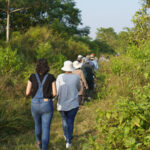

Nepal Tours for Senior Citizens
Nepal has spent decades building a reputation as a destination for young trekkers and mountaineers. That reputation is well-earned but incomplete. The truth is that Nepal is one of the finest travel destinations in the world for seniors — not despite its extraordinary landscape and heritage, but precisely because of it. The Kathmandu Valley’s UNESCO World Heritage Sites are accessible by vehicle and gentle walking. The Himalayan mountain views from Nagarkot, Pokhara’s Sarangkot ridge, and the window of a mountain flight are available to any traveller regardless of fitness. Chitwan’s wildlife safaris are conducted by jeep. The sacred sites of Lumbini, Pashupatinath, and Boudhanath are deeply moving regardless of age or physical capability. And the country’s infrastructure for international visitors — hotels with elevators, English-speaking guides, private vehicles, domestic flights, and good medical facilities in Kathmandu and Pokhara — is more developed than most travellers expect.
What Nepal offers senior travellers specifically is depth. Not the rushed highlights tour but the genuine encounter with a culture that has been continuously alive for over two thousand years. The evening aarti ceremony at Pashupatinath. The pre-dawn kora walk at Boudhanath. The medieval city of Bhaktapur walked at leisure over a full morning. A jeep safari in Chitwan’s jungle at 6:00 AM with a knowledgeable naturalist who explains what you are seeing. A cooking class with a Newari family in Bhaktapur. A meditation session at Namobuddha Monastery. These are not junior experiences. They are the kind of encounters that deepen with age and with the ability to be fully present in them.
This guide covers everything a senior traveller needs to know about Nepal: the best activities and experiences available at a comfortable pace, the honest practical information about accessibility and health, the recommended seasons, the accommodation advice, and the guidance on choosing the right itinerary for your fitness level and interests. Age is genuinely just a number in Nepal. The country has been welcoming senior travellers for generations, and its hospitality is among the warmest in the world.
What Makes Nepal Senior-Friendly
Nepali culture is built on respect for elders. In a society where older family members hold the highest social status, senior travellers are received with a level of genuine warmth and attentiveness that is immediately felt and consistently remembered. Hotel staff assist with luggage without being asked. Restaurant owners offer the most comfortable seat in the room. Guides adjust the pace of a cultural visit without requiring the traveller to raise the subject. This is not a service industry attitude. It is a cultural one, and it makes Nepal one of the most relaxed and well-supported environments for senior international travel anywhere in Asia.
Flexibility and Customisation
Nepal’s tourism infrastructure is built entirely around customisable, privately guided itineraries. Unlike package tours to European cities or Southeast Asian resort destinations, Nepal trips are almost always tailor-made. This works enormously in the senior traveller’s favour: the daily pace, the accommodation level, the choice between flying and driving, the inclusion or exclusion of specific physical activities, the meal preferences, the rest day allocation — all of these can be adjusted before departure and modified in-country if needed. A good Nepal operator designs around the traveller rather than slotting the traveller into a standard product.
Accessible Spectacular Views
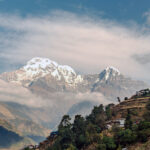
One of Nepal’s greatest gifts to senior travellers is the fact that the most spectacular mountain views in the country are often the most accessible. The Everest panoramic scenic flight from Kathmandu domestic airport requires no physical exertion whatsoever and delivers close-up views of Everest, Lhotse, Makalu, and Kanchenjunga from a pressurised aircraft. The Sarangkot viewpoint above Pokhara is accessible by vehicle. The Nagarkot sunrise panorama from the eastern rim of the Kathmandu Valley requires nothing more than waking up and stepping outside the guesthouse. The UNESCO heritage sites of Bhaktapur, Patan, and Kathmandu Durbar Square are all walkable with rest stops available. The Chitwan jeep safari covers the entire wildlife experience from a comfortable vehicle. None of these require trekking or altitude.
Excellent Medical Facilities in Major Cities
Kathmandu has several internationally accredited hospitals and medical clinics with English-speaking doctors experienced in treating international travellers. The CIWEC Travel Medicine Center in Kathmandu specialises in traveller health and is the most frequently recommended clinic for international visitors. Norvic International Hospital, Grande International Hospital, and the B&B Hospital all provide modern diagnostic and treatment facilities. Pokhara has Western Regional Hospital and several private clinics. Both cities have pharmacies stocking most common medications.
For travellers with pre-existing conditions, medication supplies, or specific dietary requirements, Nepal’s medical infrastructure in the two main cities is adequate for all non-emergency needs. The recommendation is to carry a sufficient supply of all regular medications (at least one week more than the trip duration), travel with a copy of your prescription and recent medical summary, and purchase comprehensive travel insurance before departure.
Best Activities for Senior Travellers in Nepal
The following activities are selected specifically for their suitability to senior travellers. Each is rated by physical demand, accessibility, and the quality of the experience relative to the effort involved.
1. Kathmandu Valley Cultural Heritage Tour
The Kathmandu Valley is the cultural heart of Nepal and one of the world’s great heritage destinations. Seven UNESCO World Heritage Sites within a 20-kilometre radius mean that a two to three-day cultural circuit, conducted entirely by private vehicle with walking limited to manageable distances, delivers one of the finest heritage experiences available anywhere in Asia.
Physical demand: Easy. All sites accessible by vehicle. Walking distances at each site: 10 to 40 minutes on level or gently sloped ground. Rest seating available at all major heritage sites.
- Pashupatinath Temple: Nepal’s most sacred Hindu site. Best experienced at dusk for the evening aarti ceremony on the Bagmati River. The river terrace viewing area is accessible by gentle steps. The spiritual atmosphere is profoundly affecting at any pace.
- Boudhanath Stupa: One of the world’s largest Buddhist monuments, set on a wide flat plinth with a smooth circumambulation path. The pre-dawn kora walk at 5:30 AM is one of Nepal’s finest experiences. The path is entirely flat, the distance is approximately 300 metres per circuit, and the atmosphere is extraordinary.
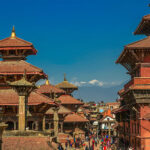
- Bhaktapur Durbar Square: Nepal’s finest medieval city, with cobblestone lanes and stone-paved courtyards that are manageable at a slow pace. Resting points are available throughout. The Nyatapola Temple, the Golden Gate, and the Pottery Square are all within a few hundred metres of each other.
- Patan Museum: One of Asia’s finest collections of Buddhist and Hindu metalwork, housed in the old royal palace courtyard. The ground floor is fully accessible. The museum provides benches throughout. Allow two hours.
- Swayambhunath: The hilltop stupa is reached by 365 stone steps. For senior travellers, the alternative eastern entrance reached by vehicle reduces the step count significantly. The summit platform is wide and flat with magnificent valley views.
- Changu Narayan: Nepal’s oldest temple, on a hilltop accessible by vehicle. The courtyards are level and the stone carvings are exceptional. Almost entirely free of tourist crowds.
2. Nagarkot Himalayan Sunrise
Nagarkot at 2,175 metres on the eastern rim of the Kathmandu Valley is Nepal’s finest Himalayan sunrise viewpoint accessible entirely by road. The drive from Kathmandu takes 45 minutes to one hour. The viewing area is level ground at the hilltop, accessible without any significant walking. On clear mornings from October through April, the panorama stretches from Annapurna and Manaslu in the west to Everest and Kanchenjunga in the east — the broadest single viewpoint Himalayan panorama accessible from any road in Nepal. An overnight stay at a Nagarkot hilltop hotel allows for the pre-dawn setup at leisure.
Physical demand: Minimal. Drive to the viewpoint. Short level walk from the accommodation. Altitude of 2,175 m is comfortable for most healthy travellers.
3. Everest Mountain Flight
The one-hour panoramic Himalayan flight from Kathmandu domestic terminal is one of the finest senior travel experiences available anywhere in the world. The aircraft — typically a modern ATR 42 or similar small turboprop — flies at 6,700 metres altitude within close viewing distance of Everest, Lhotse, Makalu, Cho Oyu, and Kanchenjunga. Every passenger receives a window seat. Every passenger is invited to the cockpit for a direct forward view of Everest at the closest point of the flight. The flight departs at dawn for the best visibility and returns within 75 minutes. There is no walking, no altitude exposure, and no physical exertion of any kind. This is the most complete Himalayan experience available to any traveller regardless of fitness level.
Physical demand: None. Seated throughout. Kathmandu airport is accessible by taxi from any hotel. Altitude exposure nil — the aircraft is pressurised throughout.
Cost: USD 180 to USD 220 per person. Book through a reputable Kathmandu operator. Buddha Air and Shree Airlines are the main operators.
4. Pokhara Lakeside and Mountain Views
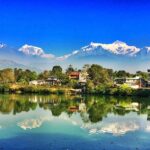
Pokhara is Nepal’s most relaxed major city and one of the finest destinations for senior travellers in Asia. The Lakeside area is flat, walkable, and lined with restaurants, cafes, and hotels with mountain views. Phewa Lake at dawn, when Machhapuchhre’s double peak reflects in the still water, is one of Nepal’s most beautiful natural experiences and involves nothing more than sitting at a lakeside cafe or on a hotel terrace.
- Phewa Lake boat ride: A short wooden rowboat crossing to the Tal Barahi island temple and back. The boat is stable and sits low in the water. The crossing takes 20 minutes each way. Suitable for travellers with moderate mobility.
- Sarangkot by vehicle: The sunrise viewpoint at 1,590 metres is accessible by private vehicle on a sealed road. The short walk from the vehicle drop-off to the viewpoint platform takes 5 minutes on a moderate incline. The views of the full Annapurna range at dawn are extraordinary.
- World Peace Pagoda by boat: A 20-minute boat crossing followed by a 45-minute forest trail. Suitable for travellers who are comfortable with a moderately hilly forest walk. The trail is shaded and pleasant. The pagoda terrace has seating and the panoramic views are outstanding.
- Begnas Lake: 15 kilometres east of Pokhara. A quiet, undeveloped lake surrounded by farmland and forested hills with Annapurna II visible to the north. A gentle kayak or rowboat session at Begnas Lake in the morning is one of Pokhara’s most peaceful senior-friendly experiences.
Physical demand: Easy to Moderate depending on activities chosen. Lakeside walking is flat. Sarangkot by vehicle is minimal effort. World Peace Pagoda trail is Moderate.
5. Chitwan National Park Wildlife Safari
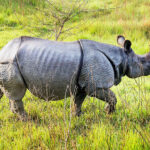
Chitwan National Park is ideal for senior travellers. The wildlife safari is conducted entirely from a 4WD jeep, and the park’s extraordinary biodiversity means that even a single morning safari delivers a wildlife encounter of genuine quality. One-horned rhinoceros sightings are virtually guaranteed. Bengal tiger sightings occur regularly. The Rapti River canoe at dawn, sliding past gharial crocodiles basking on the sandy banks, is available at a slow and peaceful pace from a stable flat-bottomed boat.
Physical demand: Easy. The jeep safari requires no walking. The canoe involves sitting in a flat-bottomed river boat. The nature walk is optional and can be shortened or omitted. The Tharu cultural evening is at the lodge itself.
- Morning jeep safari (6:00 AM, 3 to 4 hours): The finest wildlife activity in Chitwan. Conducted from a comfortable open-sided 4WD jeep with experienced naturalist guide. Binoculars provided or recommended to bring.
- Rapti River canoe (dawn): A 45-minute to 1-hour paddled drift along the river. Stable flat-bottomed boats. Life jackets provided. Exceptional birdwatching and crocodile sightings. Best combined with the jeep safari on the same morning.
- Guided nature walk (optional): A 1 to 2-hour walk in the buffer zone with a naturalist guide. Can be shortened to 30 minutes at any time. Suitable for travellers comfortable with easy walking on level terrain.
- Tharu cultural evening: At the lodge itself, typically at 7:00 PM. Traditional stick dance, drumming, and cultural storytelling. No walking required. One of Nepal’s most enjoyable cultural evenings.
6. Lumbini Pilgrimage
Lumbini, the birthplace of the Buddha, is one of the most spiritually significant destinations in Asia and one that benefits particularly from a slow, contemplative visit — something that suits senior travellers exceptionally well. The sacred garden is largely flat and peaceful. The Maya Devi Temple, the Ashoka Pillar (249 BCE), and the sacred Puskarini pond are all within a short flat walk of each other. Electric rickshaws operate within the archaeological zone for travellers who prefer not to walk the full circuit. The international monastic zone surrounding the sacred garden, with over 30 national monasteries in their own architectural traditions, can be explored entirely by vehicle.
Physical demand: Easy. The archaeological zone is flat. Electric rickshaws available throughout. Most senior travellers find a full Lumbini day comfortable with rest stops.
7. Senior-Friendly Short Treks
Trekking in Nepal does not mean what most people imagine it means. It does not require technical skill, extreme fitness, or even particularly long walking days. Several of Nepal’s finest short trekking routes are genuinely accessible to fit senior travellers aged 55 to 75 and beyond, with appropriate pacing and guide support. The key variables are daily walking duration (adjustable), altitude (some routes reach altitudes where acclimatisation is needed), and the option of porter support for day packs.
Ghorepani Poon Hill Trek (4 to 5 days)
The most popular short trek in Nepal. Maximum altitude 3,210 metres at Poon Hill. Daily walking: 3 to 5 hours on well-maintained trails with teahouses every 30 to 90 minutes. The pre-dawn Poon Hill summit delivers the finest short-trek mountain sunrise in Nepal. Suitable for senior travellers with reasonable fitness and no significant joint or cardiovascular conditions. The Ulleri stone staircase on day one (3,000 steps) is the most demanding single section and can be taken slowly with rest stops. A porter to carry the day pack is strongly recommended.
Physical demand: Moderate. Daily ascent and descent on mountain trails. Suitable for fit, healthy seniors aged 55 to 70. Discuss with your doctor before booking.
Ghandruk Village Trek (3 to 4 days)
Easier than Poon Hill and more culturally rich. Maximum altitude 1,940 metres (well below the altitude concern threshold). Daily walking: 3 to 4 hours through Gurung villages and rhododendron forest. The Gurung Museum at Ghandruk and the village life are among Nepal’s finest cultural trekking experiences. Suitable for senior travellers with basic walking fitness, including those who are newer to trekking. No strenuous sections.
Physical demand: Easy to Moderate. Maximum altitude 1,940 m — altitude sickness not a concern. Ideal for seniors aged 55 and above with basic fitness.
Panchase Trek (2 to 3 days)
Begins with a boat crossing of Phewa Lake and ascends to the sacred Panchase ridge at 2,517 metres. One of Nepal’s most rewarding short treks for its combination of gentle terrain, open mountain views, and Gurung village encounters. Daily walking: 3 to 4 hours. Suitable for senior travellers who want a genuine trekking experience with a manageable daily commitment.
Physical demand: Easy to Moderate. Suitable for seniors aged 55 and above in good general health.
Chisapani-Nagarkot Valley Rim Walk (2 to 3 days)
A ridge walk within the Kathmandu Valley region, starting from Sundarijal (45 minutes from the city) and reaching Nagarkot at 2,175 metres via forested ridge trails. Maximum altitude 2,175 metres. Daily walking: 3 to 5 hours. Himalayan views throughout. No domestic flights required. Suitable for senior travellers comfortable with walking on gentle mountain trails.
Physical demand: Easy to Moderate. The most accessible short walking circuit available in Nepal without domestic flight dependency.
Pokhara Sarangkot to Dhampus Morning Walk
A 2-hour downhill trail from the Sarangkot viewpoint through Gurung villages to Dhampus. Suitable for most senior travellers as it is predominantly downhill and takes only a morning. Can be combined with the Sarangkot sunrise. An ideal introduction to Nepali foothill walking for those unsure about multi-day trekking.
Physical demand: Easy. Predominantly downhill, 2 hours, suitable for most senior travellers.
8. Buddhist Pilgrimage Circuit
Nepal’s Buddhist pilgrimage circuit is one of Asia’s finest journeys for spiritually oriented senior travellers. The circuit typically connects Boudhanath and Swayambhunath in Kathmandu, Namobuddha Monastery on the valley rim, the birthplace of the Buddha at Lumbini, and the sacred Tibetan Buddhist monasteries of Kopan on the Kathmandu valley rim. Each site is accessible with minimal physical exertion, and the cumulative spiritual depth of the journey — moving from the world’s greatest stupa to one of Buddhism’s most sacred pilgrimage sites — is one of the most profound travel experiences available in Asia for any age. Kopan Monastery offers introductory meditation and dharma sessions accessible to visitors and newcomers at any age.
Physical demand: Easy to Minimal. All sites accessible by vehicle. Walking at each site is short and level.
9. Wellness and Yoga
Nepal’s wellness sector is particularly well-suited to senior travellers. Pokhara has the highest concentration of yoga and meditation centres in Nepal, with classes available at every level from beginner to advanced. Several retreat centres in the Pokhara hills offer senior-specific wellness programmes combining gentle yoga, guided meditation, Ayurvedic treatments, and light nature walks. Sessions are typically available in the morning (6:00 AM to 8:00 AM) and evening (4:00 PM to 6:00 PM), with the middle of the day free for sightseeing or rest.
Ayurvedic massage and treatment centres in both Kathmandu and Pokhara offer Abhyanga (full-body warm oil massage), Shirodhara (medicated oil poured on the forehead), and other traditional treatments. A professional Ayurvedic session costs USD 25 to USD 60 and takes 60 to 90 minutes. Singing bowl sound healing sessions are widely available around Boudhanath and the Pokhara Lakeside area. A 60-minute session costs USD 15 to USD 40 and is one of the most relaxing and genuinely therapeutic experiences available in Nepal.
10. Newari Cooking Class
A Newari cooking class in Bhaktapur or Patan is one of Nepal’s finest senior-friendly cultural experiences. A half-day class with a local family or a cooking school includes a market walk to select ingredients, the preparation of four to six traditional dishes (momos, dal bhat, aalu tama, bara, and local pickles), and a shared meal with the host family. The entire session is conducted at a kitchen table — no physical exertion, no steps, no time pressure. The food culture of the Kathmandu Valley is one of the richest in Asia, and a cooking class gives it a personal and participatory dimension that a restaurant meal cannot. Cost: USD 30 to USD 60 per person including all food.
Nepal for Multi-Generational Groups
Nepal is one of the world’s finest multi-generational travel destinations. The combination of wildlife safaris, cultural heritage, mountain views, and gentle walking activities means that grandparents, parents, and grandchildren can all be genuinely engaged and moved by the same trip without anyone’s needs being sacrificed for another’s.
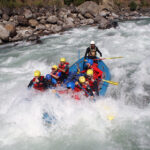
The Golden Triangle circuit of Kathmandu, Pokhara, and Chitwan covers Nepal’s three most accessible and varied destinations. Grandparents can enjoy the Kathmandu heritage sites and the Chitwan jeep safari at the same pace as grandchildren. Younger family members can add paragliding in Pokhara or a Trishuli rafting session while senior members spend the afternoon at the lakeside. The Ghandruk trek in the Annapurna foothills reaches a maximum altitude of 1,940 metres and is comfortable for most seniors while providing a genuine mountain trekking experience for younger family members. The Poon Hill circuit is achievable by multi-generational groups with appropriate pacing, and the Poon Hill sunrise shared between generations is one of the most enduring family travel memories Nepal produces.
When planning multi-generational trips, the key is building in rest buffer days and choosing a private rather than group tour format so that the pace can be adjusted in real time to the slowest and most senior member of the group without anyone feeling that they are holding the others back.
Health and Safety for Senior Travellers
Before You Go
- Schedule a pre-travel medical consultation at least six to eight weeks before departure. Discuss the planned itinerary and altitude levels with your GP or a travel medicine specialist.
- Ensure all routine vaccinations are up to date. Recommended vaccinations for Nepal include Hepatitis A, Hepatitis B, Typhoid, Japanese Encephalitis (if visiting jungle areas including Chitwan), and Rabies (recommended for extended stays or trekking). Check with your doctor or travel clinic for current recommendations.
- Bring at least one week’s additional supply of all regular medications beyond the trip duration, in their original pharmacy packaging with prescription labels attached. Carry medications in hand luggage, not checked baggage.
- Bring a brief written medical summary from your GP covering your current conditions, medications, allergies, and any recent significant medical history. Keep a copy in your wallet or travel bag.
- Purchase comprehensive travel insurance before booking. Insurance must explicitly cover pre-existing conditions (check the policy carefully), emergency medical treatment in Nepal, and helicopter evacuation for any trekking itinerary.
- If you take blood thinners, diabetes medication, or cardiac medications, carry a letter from your doctor explaining the medication and its purpose in English. Nepal’s medical professionals are English-speaking in major cities.
While in Nepal
- Drink only bottled or purified water. Dehydration is a common issue in Nepal’s dry mountain air and a particular concern for senior travellers. Aim for at least two litres of water per day.
- Apply SPF 50 sunscreen and wear UV400 sunglasses. The Nepal sun is stronger than it appears, particularly at altitude and in the autumn and spring clarity.
- Take rest periods during the middle of the day, particularly in the first two to three days after arrival when jet lag and altitude adjustment are combined. Kathmandu at 1,400 metres is low enough that acclimatisation is not required but fatigue management is.
- Carry oral rehydration salts in your day bag. Available at any pharmacy in Kathmandu.
- Know the location of the nearest medical facility at each destination. Your guide will have this information. In Kathmandu: CIWEC Clinic (+977 1 4424111). In Pokhara: Western Regional Hospital (+977 61 520066). In Chitwan: CIWEC Chitwan or the lodge medical contact.
- Food safety: Eat at established restaurants and hotel dining rooms. Avoid raw salads, street food from roadside stalls, and unpeeled fruit unless peeled by yourself. Well-cooked Nepali food is completely safe and often excellent.
Senior-Friendly Accommodation in Nepal
Kathmandu
Kathmandu has a wide range of accommodation from budget guesthouses to five-star hotels. For senior travellers, the following features are worth specifically requesting when booking: elevator access (many older Kathmandu hotels have four or five floors without lifts — confirm before booking), bathroom with walk-in shower or shower seat option, air conditioning and heating (Kathmandu temperatures vary considerably between seasons), and proximity to the main heritage sites to minimise transfer times.
The best areas for senior travellers in Kathmandu are Thamel (the main tourist hub with the widest range of restaurants and services), Lazimpat (a quieter residential and embassy area with several excellent mid-range and luxury hotels), and Jhamsikhel or Kupondole in Patan (close to the Patan heritage sites in a quieter neighbourhood). Recommended hotel standards are three-star and above. Many four and five-star hotels in Kathmandu are excellent value by international standards.
Pokhara
Pokhara’s Lakeside area is flat and walkable with hotels of all standards directly on the lakeshore. The best senior-friendly hotels are those with mountain lake views from the rooms, elevator access for upper floors, and on-site dining so that evening restaurant excursions are optional rather than necessary. Lakeside Pokhara is compact enough that most hotels are within 10 minutes’ walk of the main restaurants and activities, and taxis and electric rickshaws are available throughout.
Chitwan
Chitwan’s lodge accommodation ranges from basic budget lodges to excellent mid-range resorts and a small number of luxury jungle lodges. For senior travellers, the key considerations are ground-floor room availability (some lodges have stairs between buildings), proximity of the accommodation to the jeep safari departure point, and the quality of the dining since restaurant choices outside the lodge are limited. The best Chitwan lodges for senior travellers have well-maintained grounds, reliable electricity, and attentive staff. Air conditioning is available at mid-range and above — important in the warmer months.
Lumbini
Lumbini’s accommodation is limited compared to Kathmandu and Pokhara. The Maya Garden Resort and Hotel Nirvana are the best mid-range options with comfortable rooms and good dining. For senior travellers visiting Lumbini as part of a wider circuit, the standard approach is to arrive from Pokhara or Chitwan for one or two nights and then continue. The peaceful atmosphere of Lumbini’s accommodation area — quiet, green, and surrounded by monasteries — is genuinely restorative.
Best Time to Visit Nepal as a Senior Traveller
October and November — The Finest Window
October and November are the best months for senior travel to Nepal by a significant margin. Post-monsoon air is clear, mountain views are at their best across all major viewpoints, temperatures in Kathmandu and Pokhara are mild and comfortable (18 to 24 degrees Celsius in the daytime, 8 to 14 degrees at night), Chitwan’s wildlife visibility is excellent as the tall grass begins to clear, and all major heritage sites are open and comfortable to visit. October is the peak month of the Nepal travel calendar and all services are operating at their best. Book accommodation and domestic flights well in advance for October.
March and April — Spring Excellence
March and April are the best spring months, with warm days, building mountain clarity, and the extraordinary rhododendron bloom across the Annapurna and Langtang hill regions. Daytime temperatures in Kathmandu and Pokhara are comfortable at 20 to 26 degrees Celsius. The Poon Hill and Ghandruk trekking options are at their most beautiful during the rhododendron bloom. March is less crowded than October and a good choice for senior travellers who prefer quieter heritage sites.
December and February — Winter Clarity
December and January are cold at altitude (Nagarkot can reach 3 degrees Celsius at night in January) but often the clearest months of the year for mountain views. Kathmandu and Pokhara are cool but comfortable with daytime temperatures of 14 to 18 degrees Celsius. Chitwan and Lumbini are at their best in winter — warm daytime temperatures, excellent wildlife visibility, and minimal crowds. Senior travellers who want the Kathmandu heritage and Chitwan wildlife combination will find December and January excellent. Warm layers are essential for Nagarkot or any evening outdoor activity.
Months to Approach with Caution
May and June begin the pre-monsoon and early monsoon period with increasing heat and humidity. July, August, and September are full monsoon months with significant rainfall, high humidity, and cloud cover that obscures mountain views. While the Kathmandu Valley heritage sites operate year-round and Lumbini is pleasant year-round, the combination of heat, humidity, and reduced visibility makes June to September generally less comfortable for senior travellers. Those with heat-sensitive conditions or limited heat tolerance are advised to avoid the May to September window.
Recommended Senior-Friendly Itineraries
These five itineraries are starting points that your Nepal operator can adjust to your specific fitness level, interests, and pace.
Itinerary 1: Kathmandu Cultural Immersion (5 to 7 days)
The full Kathmandu Valley cultural circuit at a relaxed pace. Seven UNESCO World Heritage Sites, the Nagarkot sunrise, the Pharping sacred caves, the Newari cooking class, and the Everest mountain flight on the final morning. No domestic flights required except the optional mountain flight. No trekking. All activity by private vehicle and comfortable walking. Ideal for senior travellers whose primary interest is culture, heritage, and spiritual encounters.
- Days 1 to 2: Arrive Kathmandu, Boudhanath, Pashupatinath, Patan Museum, rest day
- Days 3 to 4: Bhaktapur full day, drive to Nagarkot for sunrise
- Day 5: Nagarkot sunrise, Changu Narayan, Newari cooking class in Bhaktapur
- Day 6: Pharping sacred caves, Dakshinkali Temple, Swayambhunath
- Day 7: Early Everest mountain flight, final Kathmandu morning, departure
Itinerary 2: Kathmandu and Pokhara Classic (7 to 9 days)
The two great Nepali cities at a generous pace. Three days in Kathmandu for heritage, a scenic road journey via Bandipur, two days in Pokhara for the lake and the mountain views, and an optional Panchase trek day for those who want a gentle walking experience. Suitable for most senior travellers in reasonable health.
- Days 1 to 3: Arrive Kathmandu, full heritage circuit at a comfortable pace
- Day 4: Drive to Pokhara via Bandipur heritage town stopover (4.5 hours)
- Day 5: Pokhara: Sarangkot sunrise, Phewa Lake boat, World Peace Pagoda
- Days 6 to 7: Optional Panchase trek (2 days, Easy to Moderate) or Pokhara rest and Begnas Lake
- Day 8: Fly Pokhara to Kathmandu, Patan final visit
- Day 9: Departure
Itinerary 3: The Nepal Golden Triangle (8 to 10 days)
Kathmandu heritage, Pokhara lakeside, and Chitwan wildlife in a comfortable circuit. The most complete Nepal experience available without any trekking. Suitable for senior travellers of all fitness levels who want variety across landscapes, cultures, and activities.
- Days 1 to 3: Arrive Kathmandu, full heritage circuit
- Day 4: Fly to Pokhara, Phewa Lake afternoon
- Day 5: Pokhara: Sarangkot sunrise, lakeside activities
- Day 6: Drive to Chitwan (5 hours), lodge arrival, evening nature walk
- Day 7: Chitwan: dawn jeep safari, Rapti River canoe, Tharu village evening
- Day 8: Chitwan morning activity, fly to Kathmandu
- Day 9: Kathmandu: Everest mountain flight or Nagarkot
- Day 10: Departure
Itinerary 4: Buddhist Pilgrimage Circuit (8 to 10 days)
Kathmandu’s sacred Buddhist sites, Namobuddha Monastery, and Lumbini. For senior travellers motivated by spiritual encounters and Buddhist heritage. Minimum physical exertion throughout. One of the most moving senior travel itineraries available in Asia.
- Days 1 to 2: Arrive Kathmandu, Boudhanath and Swayambhunath
- Day 3: Pashupatinath, Patan Museum, Kopan Monastery visit
- Day 4: Drive to Namobuddha (1.5 hours), monastery visit, overnight at Dhulikhel
- Day 5: Drive to Lumbini via Pokhara or directly (6 to 7 hours)
- Days 6 to 7: Lumbini: sacred garden, Maya Devi Temple, monastic zone, Tilaurakot
- Day 8: Fly Bhairahawa to Kathmandu
- Days 9 to 10: Kathmandu rest, Boudhanath morning meditation, departure
Itinerary 5: Gentle Poon Hill Trek for Seniors (9 to 11 days)
For fit and motivated senior travellers who want the full mountain trekking experience at a comfortable and well-supported pace. The Poon Hill circuit at a relaxed timeline with extra rest days built in. Suitable for senior travellers aged 55 to 70 in good general health with a doctor’s clearance for moderate physical activity.
- Days 1 to 2: Arrive Kathmandu, heritage sites
- Day 3: Fly to Pokhara, guide briefing, rest
- Day 4: Drive Nayapul, trek to Tikhedhunga (4 hours, easy start)
- Day 5: Trek Tikhedhunga to Ghorepani (5 hours, includes Ulleri steps — the hardest day)
- Day 6: Rest day at Ghorepani, morning walk to Poon Hill for sunrise
- Day 7: Trek Ghorepani to Ghandruk (4 to 5 hours)
- Day 8: Ghandruk village exploration, rest
- Day 9: Trek Ghandruk to Nayapul, drive to Pokhara
- Day 10: Pokhara lakeside rest, Phewa Lake, spa afternoon
- Day 11: Fly to Kathmandu, departure
Practical Information for Senior Travellers
Getting to Nepal
- International flights arrive at Tribhuvan International Airport in Kathmandu. The main connections for travellers from Europe: Qatar Airways via Doha, Turkish Airlines via Istanbul, Emirates via Dubai. From North America: Qatar Airways or Emirates with a single stopover. From Australia: Thai Airways via Bangkok, Singapore Airlines via Singapore, or Qatar via Doha. Kathmandu airport has a dedicated arrival lane for senior and disabled passengers — inform your airline at the time of booking.
- Nepal Tourist Visa on arrival: USD 30 for 15 days, USD 50 for 30 days. Bring two passport photos and USD cash. The online e-Visa through nepalimmigration.gov.np is faster and strongly recommended for senior travellers to avoid long queues at the visa-on-arrival counter.
- Airport assistance: Arrange with your Nepal operator for a meet-and-greet at the airport arrivals hall before departure. Having a named, known person waiting at arrivals with a sign significantly reduces the stress of an unfamiliar international airport arrival.
Transportation in Nepal
- Private vehicle: All transfers between Kathmandu, Pokhara, Chitwan, and Lumbini should be in a private vehicle rather than shared public transport or tourist buses. Private vehicles are significantly more comfortable, allow rest stops at any point, and can be air-conditioned.
- Domestic flights: Always preferable to long road journeys for senior travellers. Kathmandu to Pokhara by air is 25 minutes vs 6 to 7 hours by road. Kathmandu to Bharatpur for Chitwan is 30 minutes vs 5 hours by road. The domestic airport queues in Nepal can be slow in peak season — arrive 90 minutes before departure.
- Jeeps and 4WD vehicles: Used for Chitwan safaris and off-road heritage site access. Modern 4WD vehicles with good suspension are comfortable for senior travellers. Inform your operator if you have back, hip, or knee issues so the vehicle selection can be adjusted.
Tipping and Costs
- Budget: Nepal is exceptionally good value. A comfortable mid-range budget of USD 80 to USD 120 per day covers private hotel accommodation, all meals, private vehicle, and a licensed guide. Luxury options (five-star hotels, higher-end jungle lodges) run USD 150 to USD 300 per day.
- Tipping: Guides are typically tipped USD 10 to USD 15 per day, drivers USD 5 to USD 8 per day, porters on trekking routes USD 5 to USD 8 per day. Tipping is not mandatory but is culturally appropriate and genuinely appreciated.
- Payment: Hotels and established restaurants in Kathmandu and Pokhara accept credit cards. Cash in Nepali Rupees is needed at teahouses, local markets, and smaller towns. ATMs are available in Kathmandu, Pokhara, and Chitwan.
Nepal Awaits — at Any Age
The travellers who leave Nepal most changed are often not the youngest ones. The teenager who paraglided over Pokhara will remember the flight. The 68-year-old who sat by the Bagmati River at Pashupatinath as the evening aarti began and felt something they had no word for will carry that moment for the rest of their lives. Nepal has that quality — a depth that meets the depth of experience that older travellers bring to it.
There is no version of Nepal that is only for the young. The mountains are equally present from a mountain flight window as from a tent at 5,000 metres. The stupa is equally resonant at a walking pace as at a running one. The rhino is equally extraordinary from a jeep seat as from a walking trail. What changes with age is not the quality of the experience. It is the quality of attention brought to it. And Nepal, more than almost anywhere else, rewards attention.
Start planning. Talk to an operator who knows the country personally and has taken seniors through it before. Be honest about your fitness, your health history, and what you most want to experience. Then let Nepal do what it does best: exceed every expectation.
Recent Posts