4 Nights Bardia Jungle Safari Tour
Wild Nepal at Its Most Untouched
Explore Bardia National Park with a 4-night package tour. Enjoy jungle safaris, tiger tracking, birdwatching, and authentic wildlife experiences in Nepal.
Duration: 5 Days / 4 Nights
Destination: Bardia National Park, Lumbini Province, Nepal
Start / End: Kathmandu / Kathmandu
Maximum Altitude: 152 m (Terai lowland)
Trip Type: Wildlife Safari Tour
Accommodation: 3-Star Jungle Resort / Lodge / Homestay
Transport: Flight (Kathmandu to Nepalgunj) + Private Jeep
Best Season: October to April
Difficulty Level: Easy — suitable for all ages
Group Size: Private or Group (up to 15 pax)
4 Nights Bardia Jungle Safari Tour Overview
There are two kinds of wildlife safaris in Nepal. One involves joining a convoy of jeeps, jostling for position at a rhino sighting, and returning to a lodge that could belong anywhere in the world. The other is Bardia.
Bardia National Park covers 968 sq km of sal forest, alluvial grasslands, and subtropical riverine habitat in Nepal’s western Terai. It is sometimes described as what Chitwan National Park was like twenty years ago, before it was developed for tourists. That description is accurate and it is exactly the point.
In Asia where parks in Nepal and India are often overcrowded, Bardia is a beacon of joy. Because Chitwan National Park is 6 hours by bus from Kathmandu and Bardia is 16 to 18 hours, almost all travelers visit Chitwan and skip Bardia. That distance is the filter that keeps Bardia pristine. The extra hour on a plane is the best decision you will make on this trip.
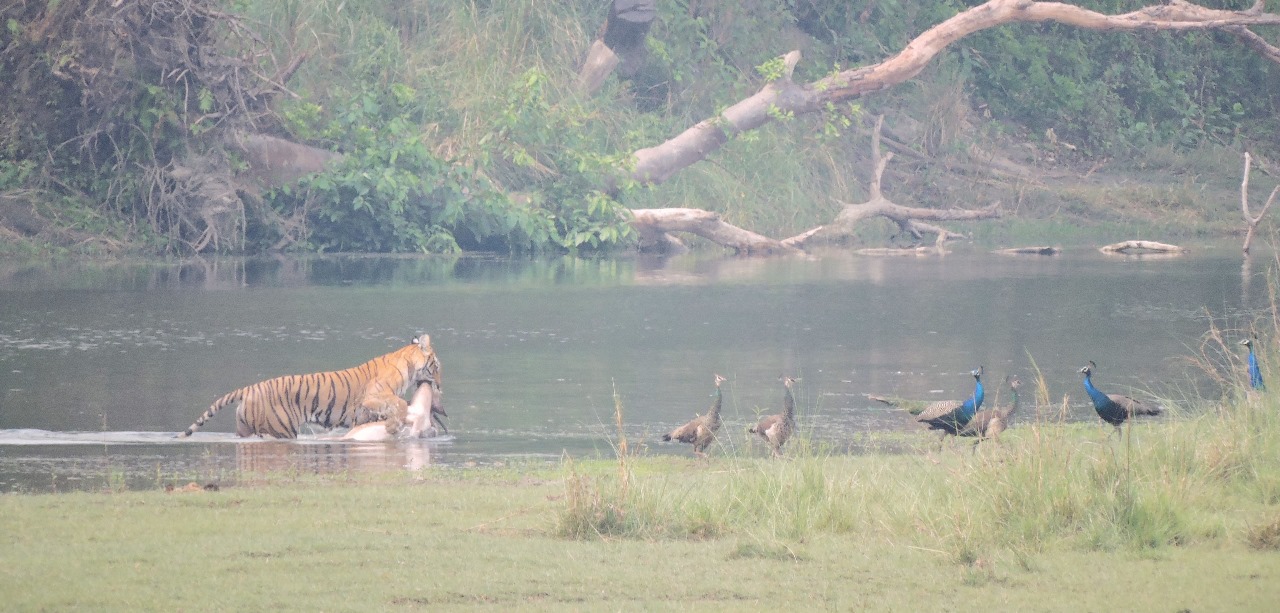
Bardia was successful in increasing its tiger population from 18 individual tigers in 2011 to 125 tigers in 2024 — a sevenfold increase. There’s a greater chance of spotting a Royal Bengal Tiger in Bardia than in Chitwan. Not because there are more tigers, but because there are far fewer people competing for the same sighting.
This 4 Night 5 Day package gives you the time to experience Bardia properly. One extra night and one extra full day compared to the standard 3-night itinerary means a second jeep safari deep into the Babai Valley, additional tiger tracking time, and one more unhurried morning on the Karnali riverbank listening to the jungle wake up around you. It is not a rushed tick-box tour. It is the right amount of time to let this place get under your skin.
Why Bardia Over Chitwan?
This is the question most travelers ask, and it deserves an honest answer.
Chitwan is Nepal’s most famous wildlife park. It is excellent, professionally run, and genuinely home to some remarkable wildlife. It is also Nepal’s most visited national park by a significant margin, and that footfall shows. Tiger sightings happen near other tourists. Jeep queues form at popular watering holes. The teahouses and lodges around Sauraha have expanded to the point where the park’s boundary sometimes feels like an afterthought.
Bardia operates on a different scale entirely. Far less crowded than the more famous Chitwan National Park, Bardia offers an intimate glimpse into a thriving ecosystem that cradles an impressive array of flora and fauna. Bardia has seen remarkable success in tiger and rhino conservation and now holds Nepal’s second-largest tiger population.
On walking safaris in Bardia, you can sit for hours by a babbling brook, watching the birdlife, listening to the crickets and the cool breeze, and not have another soul in sight. That experience is simply not available in Chitwan anymore.
The wildlife is not tame. Tigers here are known for their elusive nature, often prowling the dense forests at dawn or dusk. With the help of skilled guides, visitors have a fair chance of spotting these magnificent predators lurking stealthily through the underbrush or resting near water sources. The unscripted nature of a Bardia sighting is what makes it unforgettable. There is no guarantee, and that is precisely the point.
Major Highlights
- Royal Bengal Tiger tracking with expert naturalists and licensed wildlife trackers
- One-horned rhinoceros sightings in undisturbed natural habitat
- Two full-day jeep safaris inside Bardia National Park including the remote Babai Valley
- Guided jungle walk on tiger trails with experienced trackers
- Machan (watchtower) wildlife watch overlooking active grassland clearings
- Boating on the Karnali River with chances of spotting Gangetic river dolphins and gharial crocodiles
- Birdwatching — 400 plus species recorded in the park including critically endangered Bengal Florican
- Tharu ethnic village tour and cultural immersion
- Traditional Tharu cultural dance performance
- Sunrise and sunset view
Wildlife of Bardia National Park
The Big Five of Nepal’s Terai
Royal Bengal Tiger
Nepal doubled its tiger population to 355+ across all parks by 2022 (TX2 Award 2018). Bardia contributes 125 tigers—the park’s second-highest population. The park is home to one of the highest densities of Bengal tigers in Nepal, making it a prime location to witness these magnificent cats in the wild. March through May is peak tiger visibility, when animals concentrate around water sources during the hot season.
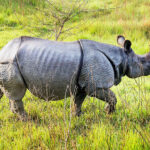
Greater One-Horned Rhinoceros
Bardia is also a refuge for the endangered one-horned rhinoceros, another iconic species of the Terai region. These large herbivores can be seen grazing in the grasslands or wallowing in the mud, which helps them regulate body temperature and fend off parasites. Conservation efforts have helped increase their population over the years, making sightings more common during safaris. The best rhino sightings happen at the Karnali riverbanks in the early morning.
Asian Elephant
Wild elephants roam freely in Bardia’s vast forests and grasslands. Bardia is home to one of Nepal’s largest wild elephant populations. Unlike elephant-back safari models found elsewhere, here you encounter elephants on their own terms in genuinely wild terrain.
Gharial and Marsh Mugger Crocodile
The Karnali River and its tributaries support both gharial crocodile and marsh mugger populations. Both species can be observed from canoes on the river and from the riverbank during morning walks. The Crocodile Breeding Center near the park boundary is included in the itinerary.
Gangetic River Dolphin
One of the world’s most endangered freshwater mammals. Bardia’s Karnali and Geruwa rivers are among the last viable habitats for this species. A canoe drift on the river in the early morning gives the best sighting opportunity.
Other Mammals
Leopard, Sloth Bear, Swamp Deer (Barasingha), Spotted Deer (Chital), Hog Deer, Four-Horned Antelope, Wild Boar, Grey Langur, Common Mongoose, Bengal Fox, Striped Hyena, and various small cat species.
Birdlife (400+ Species)
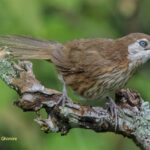
Bardia is also home to some of the most threatened bird species in Nepal — Bengal Florican and Sarus Crane being notable examples. Other significant species include the Painted Stork, Black-necked Stork, Great Hornbill, Pied Hornbill, multiple Kingfisher species, Changeable Hawk-Eagle, various vulture species, and hundreds of migratory waterbirds during winter.
Detailed Day-by-Day Itinerary
Day 1: Fly to Nepalgunj — Drive to Bardia — Tharu Village Tour
Your Bardia adventure begins early. A short morning flight from Kathmandu takes you to Nepalgunj in approximately 55 minutes, after which a private jeep transfers you along the East-West Highway to Thakurdwara, the main gateway village for Bardia National Park. The drive takes roughly 2 to 3 hours and passes through the flat Terai landscape, mustard fields, and Tharu farmland.
After checking in and a welcome lunch at your jungle resort, the afternoon begins with a visit to a nearby Tharu village. Bardiya is mainly inhabited by the indigenous Danguara Tharu people, who have their own language, customs and traditions. A Tharu house is constructed with reed and bamboo, covered with a layer of mud and dung. The Tharus are self-supporting and live from farming and fishing.
The Tharu people themselves say that they are a people of the forest. They have lived in the forests for hundreds of years practicing short fallow shifting cultivation. They plant rice, mustard, corn, and lentils, but also collect forest products such as wild fruits, vegetables, and medicinal plants.
The afternoon continues with a visit to the Elephant Breeding Center, where you can observe Asian elephants and learn about the conservation programs managing their welfare inside the park. Return to the resort for dinner and a pre-safari wildlife briefing with your naturalist guide.
Day 2: Guided Jungle Walk — Tiger Tracking — Birdwatching
The alarm is early. Dawn at Bardia is worth the lost sleep.
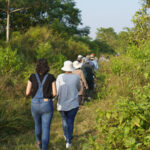
After a light breakfast, you enter the park on foot with your government-licensed naturalist and wildlife tracker. On walking safaris, small groups trek with two guides into the wild of Bardia National Park. Guides will walk with you to watering holes and rivers where there’s the best chance of spotting tigers, rhinos, and elephants.
Your guide reads the jungle as you move: fresh pugmarks pressed into riverbank mud, alarm calls from spotted deer indicating a predator nearby, crushed grass from a rhino that passed in the night. The advantage of a walking safari is getting to be close to nature and to be quieter than a jeep, so you’re able to have closer encounters with wildlife.
Mid-morning brings a machan session — a wooden watchtower platform positioned above a clearing where wildlife regularly passes. You sit quietly and wait. This is where patience becomes its own reward.
After a packed lunch in the jungle, the afternoon focuses on birdwatching along the grassland edge and riverine forest, habitats that support the park’s highest bird diversity. Return to the resort before dusk for dinner.
Day 3: Full-Day Jeep Safari — Babai Valley — Karnali Boating
A full day inside the park by jeep, pushing deeper into territory that most visitors never reach.
The morning safari heads toward the Babai Valley, a remote forested area in the southeastern part of the park known for consistent tiger and rhino activity. Prime locations within the park for spotting wildlife include the Karnali River banks for rhinos, elephants, and birds; and the Babai Valley, known for its tiger sightings and diverse habitats.
Lunch is taken in the jungle with the sounds of the sal forest and grassland all around you. The afternoon brings a boating on the Karnali or Geruwa River. Moving silently on the water with a local boatman, you scan the sandbars for basking crocodiles, watch the treeline for signs of elephant movement, and keep your eyes on the river surface for the unmistakable surfacing arc of a Gangetic dolphin.
The river section of any Bardia safari is frequently cited by travelers as the moment that surprises them most. The scale of the landscape from the water, the silence, the knowledge that a tiger territory begins just beyond the riverbank vegetation, makes for a genuinely powerful experience.
Return to the resort by late afternoon. In the evening, a traditional Tharu cultural dance performance is staged at the resort or in the nearby village. Tharu dances include Lathi Naach (stick dance), Ago Naach (fire dance), and Mayur Naach (peacock dance). The performance is vibrant, participatory, and nothing like a typical tourist show — the dancers are community members keeping a living tradition alive.
Day 4: Second Jeep Safari — Crocodile Breeding Center — Sunset at the Karnali
The fourth day is where the extra night pays off. Most 3-night itineraries head home today. You get another full morning inside the park.
This second jeep safari follows a different route, exploring the northern and buffer zone areas where wildlife activity often differs from the core zone visited the previous day. Your naturalist adjusts the route based on tracker reports from the morning, recent camera trap data, and the wildlife behavior patterns specific to the current season.
After lunch, the afternoon includes a visit to the Gharial Crocodile Breeding Center, one of Nepal’s most significant reptile conservation projects, where both gharial and marsh mugger crocodiles are bred and released into the Karnali River system. You will also visit the Tharu Museum near Thakurdwara, which houses a well-curated collection of traditional tools, costumes, fishing equipment, and documentation of Tharu community history.
The day ends at the Karnali riverside for sunset. The light on the river at dusk in Bardia is the kind of thing that travel photography tries and mostly fails to capture. You will understand what we mean when you are standing there.
Day 5: Morning Nature Walk — Drive to Nepalgunj — Fly to Kathmandu
Your last morning in Bardia starts with a gentle nature walk through the buffer zone and community forest adjacent to the park boundary. This area regularly sees rhinos, deer, and birds in the early morning, and the slower pace of a final walk gives you time to absorb what four days in the jungle has given you.
After breakfast and checkout, your private jeep drives you back to Nepalgunj for the return flight to Kathmandu. You arrive in Kathmandu by midday or early afternoon, with the rest of the day free. Transfer to your hotel or onward connection as required.
What’s Included
- Return flights Kathmandu to Nepalgunj (economy class, both directions)
- Private jeep transfer Nepalgunj to Bardia and return
- 4 nights accommodation at 3-star jungle resort / lodge in the park buffer zone
- All meals: 4 Breakfasts, 4 Lunches, 4 Dinners
- Tea and coffee throughout
- English-speaking, government-licensed naturalist guide for all activities
- Two full-day jeep safaris inside Bardia National Park
- Guided jungle walk with licensed wildlife tracker
- Machan (watchtower) wildlife watch session
- Boating on Karnali / Geruwa River
- Tharu ethnic village tour
- Crocodile Breeding Center visit
- Tharu cultural dance performance
- Bardia National Park entry fees (all days)
- Buffer zone community forest walk on Day 5
- All applicable taxes, VAT, and service charges
- Airport pickup and drop both in Kathmandu and Nepalgunj
What’s Not Included
- Activities beyond the stated itinerary
- Alcoholic beverages, soft drinks, and mineral water
- Personal expenses and laundry
- Travel and medical insurance (strongly recommended)
- Tips and gratuities for guides and staff
- Costs arising from flight delays or cancellations beyond our control
- Nepal visa fees (if applicable)
Best Time to Visit Bardia
October to November (Autumn) The park is at its best. Skies are clear after the monsoon, temperatures are comfortable (20 to 28°C during the day), and wildlife visibility is excellent as animals move through recently dried grasslands. This is peak season — book early.
February to May (Spring) Animals are more concentrated near water sources as the dry season intensifies. Tiger sightings increase significantly in March and April when big cats visit waterholes more frequently. Spring also brings blooming sal forests and high bird activity.
December to January (Winter) Quieter, with cold mornings (10 to 15°C) and dense morning fog that creates atmospheric safari conditions. Excellent for birdwatching. Some lodges offer reduced rates.
June to September (Monsoon) The park partially closes during the heaviest monsoon months and is generally not recommended for safari. Trails become slippery, leeches are active at lower altitudes, and wildlife disperses due to abundant water throughout the forest.
The Tharu People: Living Beside the Jungle for Centuries
No visit to Bardia is complete without understanding who has lived alongside this landscape for generations.
The Tharu constitute the largest ethnic group of the Terai and are probably the oldest and original inhabitants of Nepal’s plains. Their communities are known as the region of Tharuwan. Tharus have lived in the forests for hundreds of years, planting rice, mustard, corn, and lentils, while also collecting forest products such as wild fruits, vegetables, and medicinal plants.
Traditional Tharu attire is colorful and reflects the vibrant culture of the community. Women often wear brightly colored sarees and blouses adorned with intricate embroidery. Tharu villages in Bardia typically feature traditional houses made of local materials like mud, thatch, and bamboo.
The local Tharu dance group performs in the evenings, with dances that symbolize many aspects of their life in nature — a beautiful and colorful show where you also have the opportunity to join in.
Tharu women are very talented in making baskets which they carry on their head to transport goods, made from bamboo or grass and decorated with flowers or Tharu symbols such as peacocks or deer. Purchasing these handmade items directly from artisans is one of the most meaningful ways to contribute to the local economy.
The interaction between the Tharu community and Bardia National Park is not a simple story. Families that lived inside what is now park territory were relocated during its establishment. Today, community-based tourism and buffer zone enterprises are among the most important tools for ensuring that conservation works for local people, not just for wildlife. When you stay at a community-linked resort and participate in village activities, you are part of that process.
Practical Information
Getting There
By Air (recommended): Fly from Kathmandu to Nepalgunj on Buddha Air, Shree Airlines, or Yeti Airlines. Flight duration is approximately 55 minutes. From Nepalgunj airport, a private jeep drives to Thakurdwara in 2 to 3 hours along the East-West Highway.
By Road (budget option): Overnight bus from Kathmandu to Ambassa or Rajipur (approximately 14 to 16 hours), then local jeep to Thakurdwara. Not recommended for travelers with limited time or those prone to motion sickness.
Accommodation
Your resort is located in the Bardia buffer zone, within minutes of the park entry gate. Standard rooms include AC, attached bathroom with hot water, and WiFi. Most properties have a garden restaurant and seating areas that face the jungle edge, where wildlife is frequently spotted from the resort itself in the early morning.
Food at Bardia
Terai cuisine is a highlight many travelers don’t expect. Dal Bhat at a Tharu homestay or resort is made with freshwater fish, locally grown rice, and vegetables from the garden. Tharu cuisine often includes rice, lentils, locally grown vegetables, and preparations like sukuti (dried meat) and fish curry. Fresh river fish cooked in mustard oil is the regional specialty and it is exceptional. Resort menus also offer continental and Indian dishes.
Health and Safety
Bardia is a remote area. The nearest major hospital is in Nepalgunj, approximately 3 hours by jeep. Travel insurance covering emergency medical evacuation is strongly recommended. Mosquito repellent containing DEET is essential. Antimalarial precautions are advised for travel to Nepal’s Terai — consult your doctor before departure.
Permits and Entry
The Bardia National Park entry fee is NPR 2,000 per person per day (foreigners). Children receive discounts. All permits are included in this package and arranged by us before your arrival.
Tips for Getting the Most Out of Your Bardia Safari
Wear the right colors. Neutral tones — olive, khaki, beige, and brown — are best on safari. Bright colors are visible to wildlife from a significant distance. Avoid white and black, which contrast sharply with the jungle environment.
Stay silent in the jungle. Sound travels clearly through the sal forest. Guides can hear animal calls and crackling undergrowth that signal wildlife nearby. Conversations should drop to whispers or stop entirely when your guide signals.
Follow your guide without question. Guides have years of experience with wildlife, and while it goes against every natural instinct, you should follow their instructions, listen carefully, and whatever you do, don’t run unless they tell you to. They are the only people who can keep you safe.
Bring a good pair of binoculars. The single piece of equipment most travelers wish they had packed. An 8×42 magnification binocular transforms birdwatching and makes the difference between seeing something and seeing it clearly. Telephoto zoom lenses above 300mm are ideal for wildlife photography.
Manage your expectations, then let go of them. You might wait at a popular watering hole or river for two to three hours to see a tiger or a rhino, or you might spend a full day waiting and not see big game at all. Remember this is a wild park, not a zoo. Guides cannot magically make wild animals appear on demand. The travelers who enjoy Bardia most are those who are genuinely present in the environment, not just waiting for the highlight reel.
Wake up early. Early mornings and late afternoons are the best times to venture out, as many animals are more active during these cooler hours. The dawn chorus in Bardia is one of the great natural sound experiences in South Asia. Don’t sleep through it.
Packing List
Clothing: Neutral or olive cotton shirts (long sleeve for sun and insect protection), light long trousers, fleece or light jacket for cool evenings, sun hat with wide brim, comfortable walking shoes or trail runners, sandals for the resort
Safari Essentials: Binoculars (8×42 recommended), camera with telephoto lens, extra memory cards and batteries, portable power bank, UV-protected sunglasses
Health and Protection: DEET-based insect repellent (minimum 30% DEET), sunscreen SPF 50 or higher, personal first aid kit, any prescription medications, oral rehydration salts
Practical Items: Daypack (20 to 25L), headtorch with spare batteries, reusable water bottle (safe drinking water is provided at the resort), light waterproof jacket
Frequently Asked Questions
Q: What are the realistic chances of seeing a tiger?
Higher in Bardia than anywhere else in Nepal, and genuinely high by global standards. Due to fewer visitors, this national park has remained pristine. One can watch wild creatures in their natural habitat due to the peaceful natural setting the park has, which makes it easier to spot the Royal Bengal Tiger and other wildlife that prefer undisturbed habitats. A 4-night stay with multiple full-day safaris gives you substantially better odds than a 2 or 3-night visit. Sightings are never guaranteed but the 4-night itinerary is specifically designed to maximize time in the field.
Q: Is this tour suitable for children?
Yes. Most activities are jeep-based, jungle walks cover flat terrain, and the wildlife encounter is one of the most formative experiences a young person can have. Children under a certain age receive discounts on park entry fees. Speak to us about specific age recommendations if you have very young children.
Q: What is the difference between a jeep safari and a walking safari in Bardia?
On jeep safaris, you can track wildlife on foot or wait by watering holes, but you also have the option to remain in your jeep if you feel unsafe. Jeep safaris are the best option if you’re not able to walk long distances. On walking safaris, the advantage is being quieter than a jeep, which allows for closer encounters with wildlife. This package includes both, which is the ideal combination.
Q: What makes the 4-night package better than 3 nights?
The extra night funds a second full-day jeep safari into the Babai Valley — the most productive big game area in the park — plus additional tiger tracking time, the Karnali canoe ride, and a more relaxed pace throughout. Three nights is enough for an introduction to Bardia. Four nights is enough for Bardia to actually get to you.
Q: Is Bardia accessible year-round?
The park is open year-round but partially closes during peak monsoon. The best period is October through April. The dry winter months from October to March are generally considered the best time for wildlife viewing, as animals are more concentrated near water sources and the weather is pleasant for exploration.
Q: Can this itinerary be extended or customized?
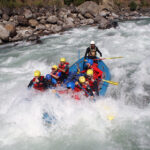
Yes. We can extend to a 6-night or 7-night format for those wanting deeper exploration of the park, add a Karnali River rafting day, combine with a Lumbini (Buddha’s birthplace) visit that adds significant cultural depth to the trip, or incorporate a Nepalgunj city tour. We can also adjust the activity focus for birdwatching specialists or wildlife photographers who want more time in specific habitats.
Q: What is the cancellation policy?
Deposits are transferable to any other trip in our portfolio if you cancel early. Late cancellations incur a processing fee. Full refund assessments are handled case by case. We recommend travel insurance that covers trip cancellation for protection against unavoidable changes.
Why Book With Us
We are a Kathmandu-based, government-registered tour operator with over a decade of operating wildlife and nature tours across Nepal’s protected areas. Our Bardia safari program runs with naturalist guides who have worked in the park for years and whose knowledge of individual tiger territories, rhino behavior patterns, and seasonal wildlife movements is genuinely expert-level.
All accommodations are pre-inspected. Vehicles are maintained and insured. We handle every permit, transfer, and logistical detail so that from the moment you land in Kathmandu to the moment you fly home, your only job is to be present.
Bardia National Park is one of Asia’s last genuinely wild wildlife sanctuaries. Four nights here, done properly, will stay with you for a long time.
Contact, Inquiry or Booking
Company: Getaway Nepal Adventure
Phone / WhatsApp: +977 9851038908
Email: info@nepal-tours.com
Website: www.nepal-tours.com
Available 24 hours, 7 days a week by WhatsApp or phone. We respond to all email inquiries within 12 hours.
Recent Posts