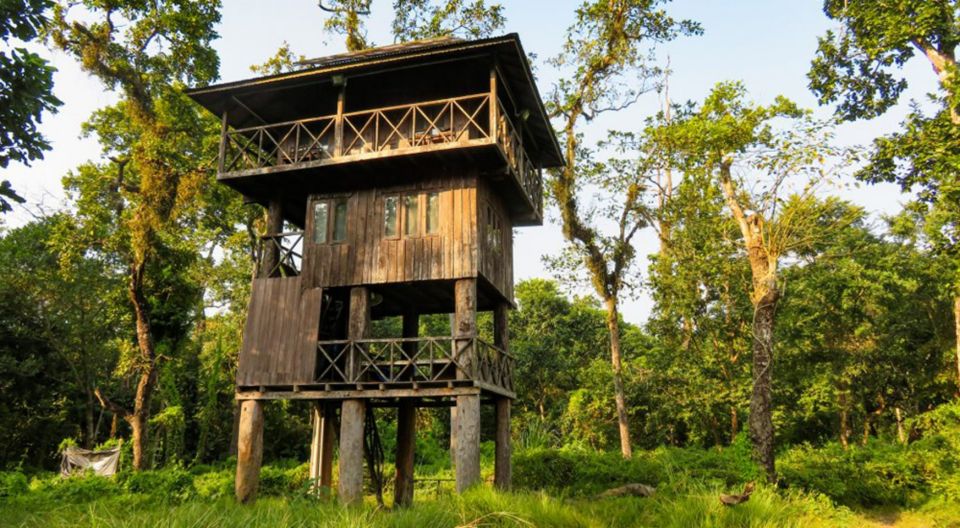
2 Nights 3 Days Pokhara Tour
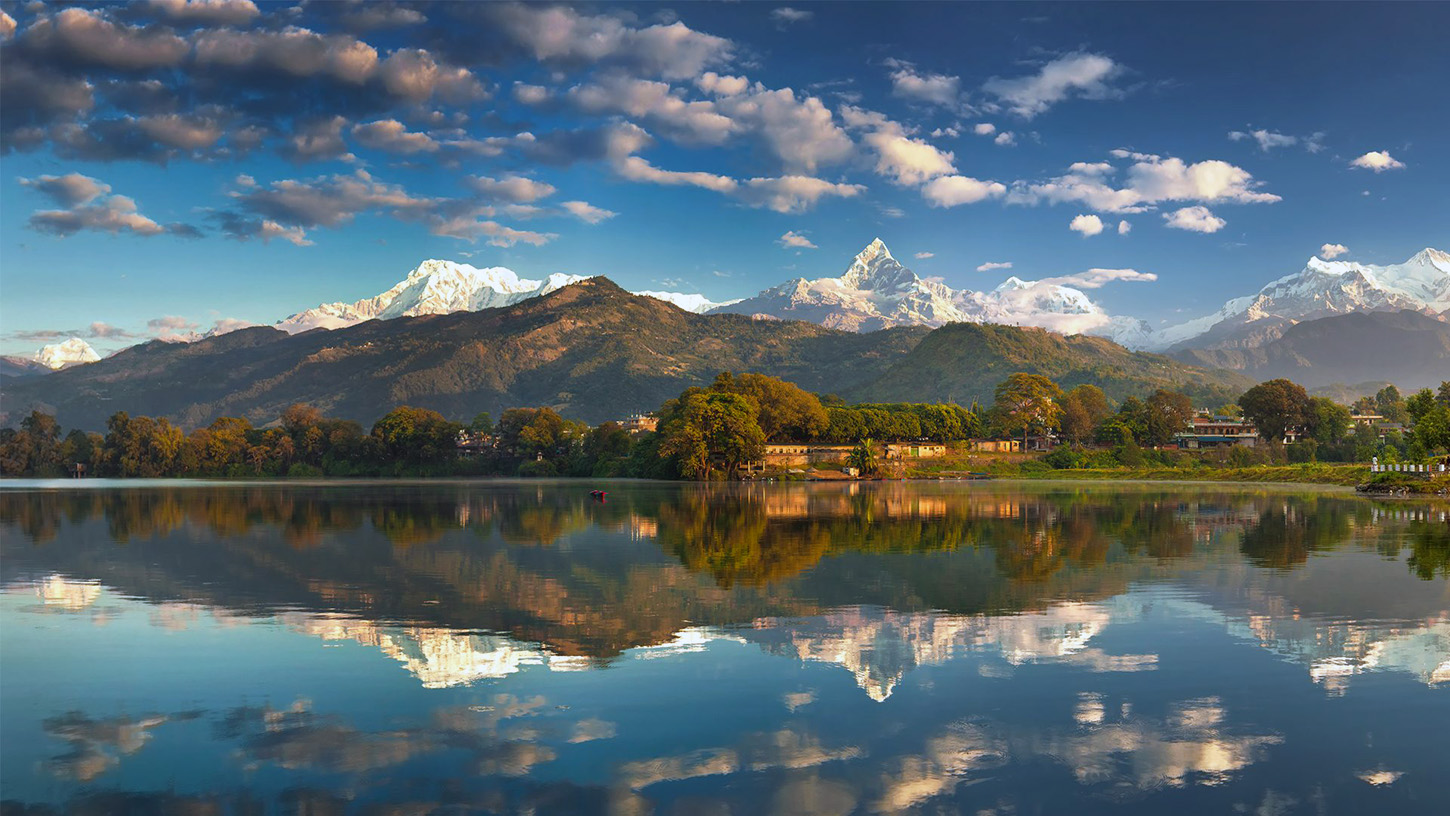
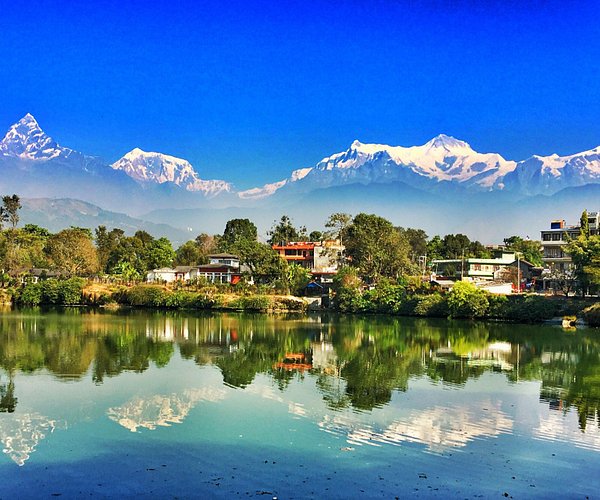

There is a reason Pokhara appears on almost every Nepal itinerary ever written. It is not just the mountains, though they are extraordinary. It is not just the lake, though Phewa Lake at dawn with Machhapuchhre reflected in its surface is one of those views that stops a conversation entirely. It is the particular quality of the place itself is a city that has learned how to be both genuinely beautiful and genuinely liveable, in a way that Kathmandu, for all its fascination, simply is not.
This 2-night, 3-day Pokhara tour is designed for travellers who want to experience the best of the lake city properly rather than passing through it on the way to somewhere else. Two full days, a comfortable hotel, a private vehicle and guide throughout, and an itinerary that takes you from a pre-dawn hilltop to a sacred island in the middle of a lake; all within three days that feel considerably longer than the calendar suggests.
Who This Tour Is For
Three days in Pokhara works for travellers at every point on a Nepal itinerary. It suits those arriving from Kathmandu who want to decompress before a trek. It suits those finishing a trek who want two days of comfort and lake views before flying home. It suits families, couples, solo travellers, and conference groups looking for a structured but unhurried way to experience one of Nepal’s most beautiful cities.
The pace is deliberately comfortable. No day begins before the natural motivation of a pre-dawn mountain sunrise, and no evening is scheduled past the point where the city’s lakeside restaurants and the sound of the water take over naturally.
Pokhara rewards those who give it time. Three days is the minimum that does it justice.
The 25-minute flight from Kathmandu to Pokhara is itself a statement — the Himalayan chain stretching in both directions, Phewa Lake glinting in the valley below, the mountains closer than they have any right to be from an aircraft window.
After landing and checking in, the afternoon takes you through some of Pokhara’s most memorable natural landmarks. Davis Falls is where the Pardi Khola river abruptly vanishes into a narrow underground gorge — a genuinely strange and striking thing to watch. Directly across the road, Gupteshwor Mahadev Cave descends through a low tunnel into a vast underground cavern where a gap in the rock frames the falls from below, an angle that no viewpoint above ground can replicate.
Nearby, Mahendra Cave offers a quieter kind of wonder — stalactites and stalagmites built over thousands of years in cool darkness — while the adjacent Bat Cave provides something altogether different: a narrow passage home to a colony of bats hanging in the shadows directly overhead.
The afternoon ends at the International Mountain Museum, a sprawling six-hectare institution that traces the full arc of Himalayan exploration and mountaineering history alongside exhibitions on the geology, peoples, and wildlife of the range. By the time you leave, Pokhara’s identity as the gateway to the Annapurna feels entirely earned.
Evening at leisure along the lakeside.
Sarangkot hill at 1,600 metres is where Pokhara goes to watch the mountains wake up. The drive in the dark ends at a viewpoint where a quiet crowd gathers facing east, and when the light finally arrives it touches the Annapurna range — Machhapuchhre, Hiunchuli, Annapurna South and the great peaks beyond — and turns them briefly, brilliantly gold before they settle into the white they hold all day. Phewa Lake lies below, dark and still, reflecting the whole show in reverse. It is the kind of morning that recalibrates your sense of what a view can actually be.
After breakfast, the day continues to Pumdikot on a ridge east of the city, where a newly built 51-metre Shiva statue commands a sweeping panorama across the valley with the Annapurna range directly behind it. The scale of the statue against the mountains is a genuinely unexpected sight even for those who have read about it.
From Pumdikot, a drive south brings you to the World Peace Pagoda — one of 80 Japanese-built stupas worldwide, but distinguished here by its setting on a forested ridge above the lake. The walk through the forest to reach it is shaded and peaceful, and the arrival at the gleaming white stupa — four golden Buddhas facing the cardinal directions, the lake stretching below — is quietly spectacular.
The descent from the pagoda winds down through the forest to the southern lakeshore, where a wooden boat carries you back across Phewa Lake to the northern shore. The crossing passes close to Tal Barahi Temple, a two-storied Hindu shrine sitting on its own small island in the middle of the water, dedicated to the goddess Durga and reachable only by boat. The afternoon light on the lake, the mountains above the treeline, and the sound of oars on still water make this one of those uncomplicated, unrepeatable travel moments.
Return to hotel and relax.
- Necessary ground transfers by private vehicle
- 2 nights stay in a selected hotel
- Daily breakfast (as per hotel plan)
- Entrance fees for monuments and sightseeing spots
- Sightseeing (Pokhara)
- Visit to Phewa Lake (including 1-hour boat ride with life jacket)
- Tal Barahi Temple
- Davis Falls
- Gupteshwor Mahadev Cave
- World Peace Pagoda
- Sarangkot sunrise view
- Professional English-speaking guide (for sightseeing)
- Government taxes and company service fees
- Meals not mentioned (lunch & dinner)
- Personal expenses
- Laundry, drinks, tips, shopping, etc.
- Extra nights due to delays (weather, strikes, etc.)

Inquiry this trip
You might also like...
Top Add-on Trips
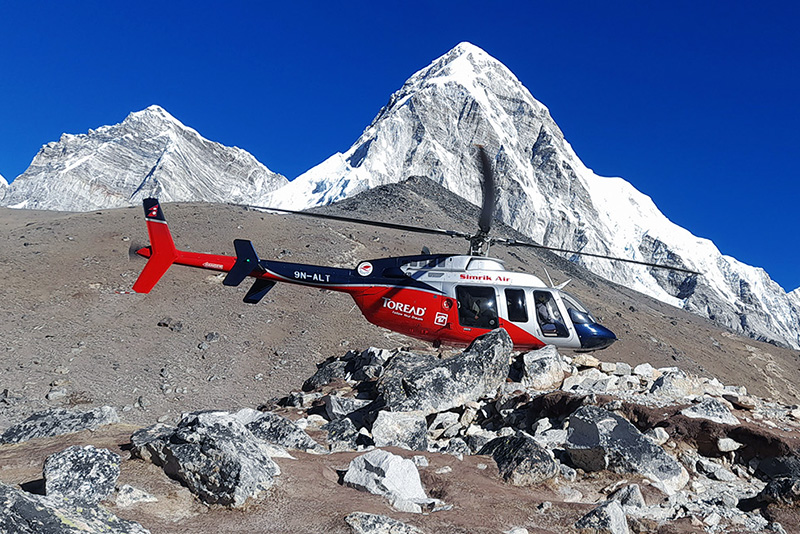
Everest Base Camp Helicopter Tour
Monastery Stay Tour