What First-Time Travelers Get Wrong About Nepal
How to Plan Nepal Tour Smarter in 2026
Nepal has always been attractive to the travelers because of its mighty Himalayas, ancient temples and strong spiritual beliefs. However, to most newcomers Nepal is also a destination that is highly misunderstood in Asia. Based on the assumptions that it is solely trekking, or even fears of comfort, safety and infrastructure, the misconceptions tend to make the traveler plan poorly, or fail to get the unbelievable experience at all.
As global travel continues to evolve, Nepal travel in 2026 is smarter, more diverse, and more comfortable than ever before. Whether you’re an adventure seeker, luxury traveler, backpacker, digital nomad, or a family planning your first Himalayan journey, understanding what travelers often get wrong about Nepal can completely transform your experience.
This guide breaks down the biggest myths and shows you how to plan smarter in 2026, while also helping you discover authentic Nepal tours, Nepal adventure tours, trekking routes, and local experiences—with insights from local experts like Getaway Nepal Adventure, a trusted Nepal travel agency.
1. Misconception #1: Nepal Is Only for Hardcore Trekkers
One of the most common mistakes first-time travelers make is assuming Nepal is only for extreme hikers tackling Everest Base Camp or Annapurna Circuit.
The Reality
While Nepal trekking is world-famous, it’s only one part of the story. Nepal offers:
-
Luxury cultural tours in Kathmandu Valley
-
Scenic helicopter tours over the Himalayas
-
Wellness retreats, yoga, and meditation experiences
-
Wildlife safaris in Chitwan and Bardia National Parks
-
Family-friendly soft adventures and heritage walks
In 2026, Nepal is increasingly appealing to luxury travelers, families, and slow travelers who want culture, comfort, and curated experiences—not just physical challenges.
Smart Planning Tip (2026): Choose itineraries that blend light adventure with cultural immersion. A knowledgeable local travel agency can customize experiences beyond trekking.
2. Misconception #2: Nepal Is Cheap but Uncomfortable
Many travelers believe Nepal is either ultra-budget or lacking comfort and modern amenities.
The Reality
Nepal now offers a wide spectrum of travel styles:
-
Boutique heritage hotels and luxury mountain lodges
-
High-end eco-resorts and premium trekking accommodations
-
Fine dining, specialty coffee, and modern transportation options
In Nepal travel 2026, infrastructure has improved significantly, especially on popular travel routes and premium tours.
Smart Planning Tip: Instead of assuming “budget-only,” work with a local expert like Getaway Nepal Adventure to balance comfort, authenticity, and value.
3. Misconception #3: Nepal Is Difficult to Navigate Without Experience
First-time travelers often worry that Nepal is chaotic, confusing, or unsafe to navigate.
The Reality
While Nepal is different from Western destinations, it is far from unmanageable—especially with proper planning. Domestic flights, private transfers, guided tours, and licensed trekking guides make travel smooth and secure.
What often goes wrong is independent planning without local insight, leading to missed permits, seasonal issues, or inefficient routes.
Smart Planning Tip: In 2026, regulations for trekking permits, conservation fees, and restricted areas are more structured. A reliable Nepal travel agency ensures compliance and stress-free travel.
4. Misconception #4: Trekking in Nepal Is Always Extreme and Dangerous
Many first-time visitors either underestimate or overestimate the difficulty of trekking in Nepal.
The Reality
Nepal trekking ranges from:
-
Easy village hikes suitable for families
-
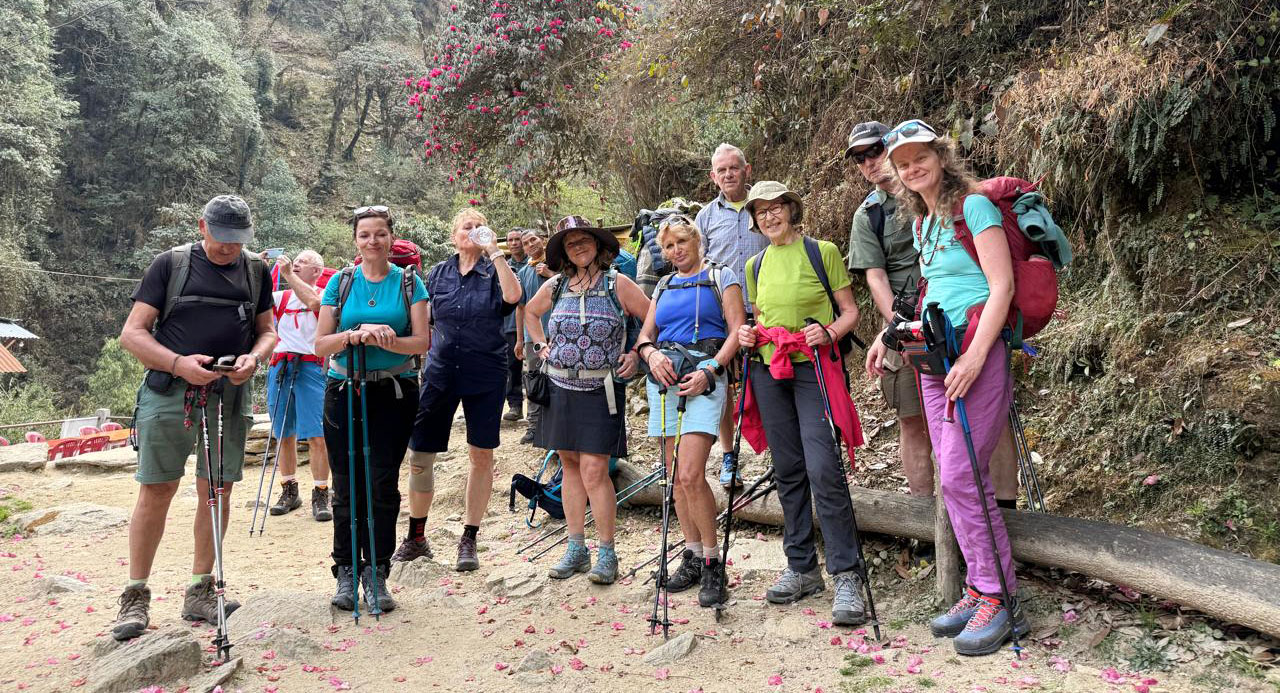
Moderate treks like Ghorepani Poon Hill
-
Challenging high-altitude expeditions
Safety has improved dramatically with better trails, trained guides, emergency protocols, and communication systems.
Smart Planning Tip: Choose treks based on fitness, time, and comfort—not reputation alone. For 2026, guided treks with acclimatization planning are the safest and most rewarding option.
5. Misconception #5: You Can Plan Nepal Last-Minute Like Any Other Destination
Spontaneity works in some countries—but Nepal rewards preparation.
The Reality
Nepal involves:
-
Trekking permits and national park fees
-
Seasonal considerations (monsoon, winter closures)
-
Limited availability during peak seasons (spring & autumn)
In Nepal travel 2026, sustainable tourism policies and crowd management are becoming more common, making advance planning even more important.
Smart Planning Tip: Book key experiences—especially Nepal adventure tours and trekking—well in advance through a local operator who understands seasonal flow.
6. Misconception #6: Nepal Is Only About Mountains
The Himalayas are iconic, but Nepal’s diversity often surprises first-time travelers.
The Reality
Nepal offers:
-
UNESCO World Heritage Sites in Kathmandu, Bhaktapur, and Patan
-
Jungle safaris with rhinos and Bengal tigers
-
Spiritual journeys in Lumbini, the birthplace of Buddha
-
Local village homestays and cultural festivals
In 2026, travelers increasingly seek experiential travel, and Nepal excels at offering meaningful local interactions.
Smart Planning Tip: Combine mountains with culture, wildlife, and local life for a richer journey.
7. How to Plan Smarter for Nepal in 2026
To truly enjoy Nepal, smart planning is essential. Here’s how experienced travelers are doing it in 2026:
✔ Choose the Right Season
-
Spring (Mar–May): Best for trekking and rhododendron blooms
-
Autumn (Sep–Nov): Clear skies, festivals, peak trekking season
-
Winter: Great for cultural tours and low-altitude treks
-
Monsoon: Ideal for off-the-beaten-path and budget travel
✔ Work with Local Experts
A trusted local agency understands weather patterns, permits, safety, and authentic experiences far better than generic online planning.
✔ Mix Comfort with Adventure
Modern Nepal tours allow you to enjoy adventure without sacrificing comfort—especially important for families and luxury travelers.
8. Nepal Tours, Trekking & Local Experiences That Travelers Love
In 2026, the most popular Nepal tours and experiences include:
-
Guided Everest Base Camp and Annapurna treks
-
Luxury Nepal adventure tours with helicopter returns
-
Cultural heritage tours in Kathmandu Valley
-
Wildlife safaris and jungle lodges
-
Community-based village tours and homestays
These experiences are best enjoyed with a professional team that prioritizes safety, sustainability, and authentic connections.
9. Why Choosing the Right Nepal Travel Agency Matters
The difference between a good trip and a life-changing journey often comes down to who plans it.
A reputable Nepal travel agency like Getaway Nepal Adventure offers:
-
Deep local knowledge and licensed guides
-
Customized itineraries for different travel styles
-
Transparent pricing and ethical tourism practices
-
On-ground support before and during your trip
For first-time travelers especially, having a local expert removes uncertainty and maximizes value.
10. Why Getaway Nepal Adventure Is a Smart Choice for 2026
Getaway Nepal Adventure specializes in creating personalized, well-paced, and authentic travel experiences across Nepal. From classic trekking routes to luxury tours and cultural journeys, their team focuses on:
-
Responsible and sustainable tourism
-
Safety, comfort, and local expertise
-
Tailor-made itineraries for international travelers
Whether you’re planning your first trek, a family holiday, or a luxury Himalayan escape, their local insight helps you avoid common mistakes and travel smarter.
Final Thoughts: Travel Smarter, Experience More in Nepal
Nepal is not what many first-time travelers expect—and that’s exactly what makes it special. When planned well, Nepal travel in 2026 offers a rare balance of adventure, culture, comfort, and authenticity.
By understanding what travelers often get wrong—and by working with experienced local professionals—you can turn your first visit into an unforgettable journey.
Ready to plan smarter?
Explore curated itineraries or contact Getaway Nepal Adventure to start designing your perfect Nepal experience today.
Recent Posts