Spiny Babbler Finding Tour in Nepal
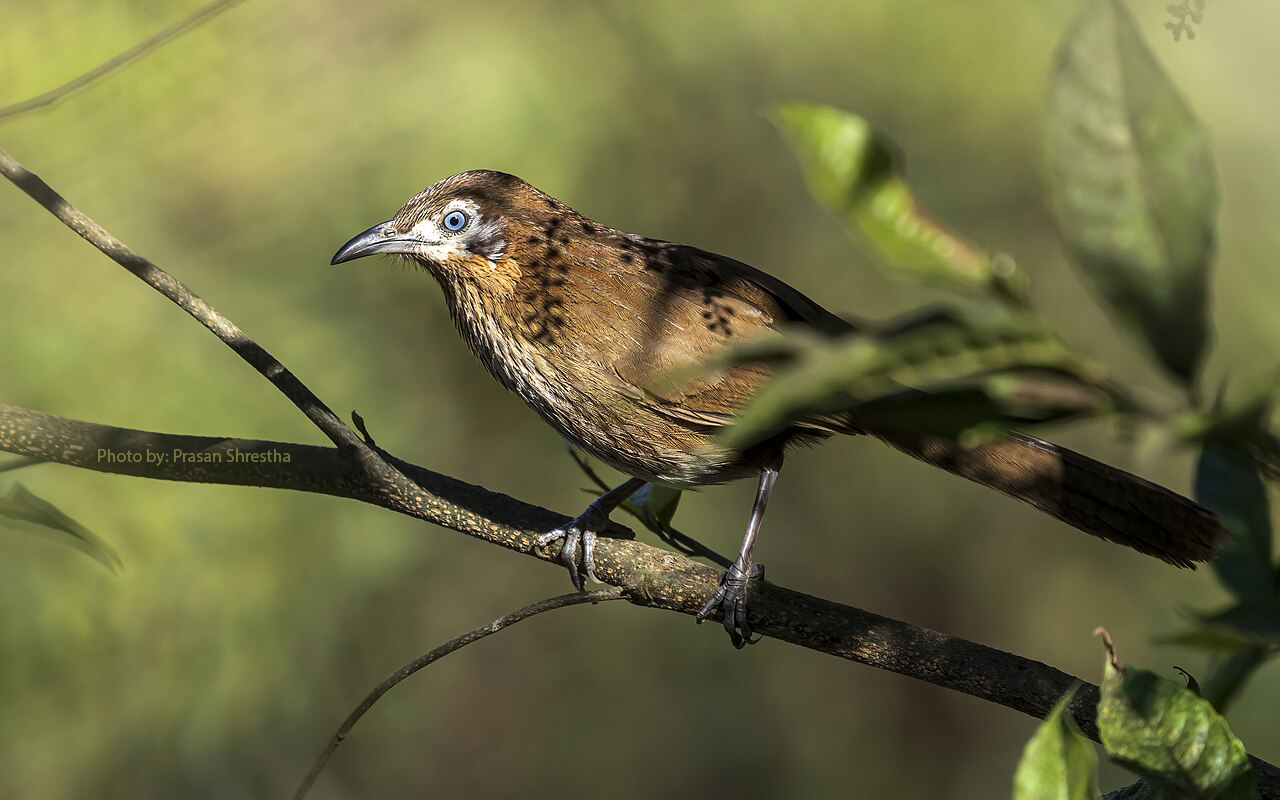
When most people think of Nepal, their minds drift to the snow-capped peaks of the Himalayas or the ancient streets of Kathmandu. But for birders and nature lovers, Nepal holds a secret weapon: the Spiny Babbler. Known locally as Kande Bhyakur (which translates to “thorny bird”), this medium-sized bird is famous for one simple reason; you cannot find it anywhere else on earth .
For a birder, spotting an endemic species is the holy grail. And a Spiny Babbler finding tour in Nepal is exactly that: a quest to see the country’s sole endemic bird. Here is everything you need to know about finding this elusive treasure.
The Bird That Rose from the Dead
Before we pack our binoculars, it helps to understand the drama behind this bird. The Spiny Babbler (Turdoides nipalensis) was first described by the naturalist Brian Houghton Hodgson way back in the 19th century . But then, it vanished. For decades, scientists thought it had disappeared forever. It wasn’t until the 1940s that the American ornithologist Sidney Dillon Ripley “rediscovered” it in Nepal, proving that this shy creature was still very much alive .
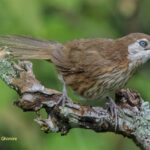
This history gives the Spiny Babbler a mythical status. It is a shy bird, around 25 cm long, with a scruffy appearance—brownish-olive plumage, a whitish throat, and those stiff, spiky feathers on its neck that give it the name “spiny” . It loves to hide in dense scrub, often revealing its presence with a loud, harsh call before showing itself.
Where to Find the Spiny Babbler
The Spiny Babbler is a resident of the Middle Hills of Nepal. It isn’t a high-Himalayan bird; it prefers elevations between 1,000 and 2,500 meters, specifically in areas thick with bushes, secondary forests, and scrublands . Here are the prime locations to target for your tour:
1. The Kathmandu Valley Foothills (Phulchoki and Godavari)
If you are short on time, this is your best bet. The southern rim of the Kathmandu Valley, particularly the area around Phulchoki Hill and the Royal Botanical Garden at Godavari, is a reliable hotspot . Phulchoki is the highest hill around the valley and a paradise for birdlife. Early morning drives here often yield sightings of the Spiny Babbler moving through the undergrowth in small, noisy groups.
2. Shivapuri Nagarjun National Park
Just north of Kathmandu, this national park is another excellent location. The forests here are lush, and the park is home to hundreds of bird species. The Spiny Babbler is frequently recorded in the scrubby areas along the park’s fringes . The Haibung area, adjacent to the park, is particularly noted for easy access and consistent sightings .
3. The Langtang Valley Approach
For those who want to combine serious trekking with birding, the lower regions of the Langtang Valley (around Syabrubesi and the trek to Lama Hotel) are fantastic. The subtropical forests near Syabrubesi are alive with birds, and the Spiny Babbler is a target species here .
4. Pokhara and Dhampus
The area around Pokhara, especially the forests above the city like Raniban (Queen’s Forest) and the village of Dhampus, offers great birding. Several specialized tours run trips into these areas, combining the beauty of the Annapurna views with the search for the endemic babbler .
5. Gadhi-Siraichuli (Chitwan)
For the dedicated birder, the Gadhi-Siraichuli Important Bird Area (IBA) is a rising star. Located above Chitwan, this area offers a chance to see the Spiny Babbler along with other specialties like the Himalayan Cutia .
Sample Itinerary: A 7-Day Spiny Babbler Finding Tour
To maximize your chances of seeing this bird, you need a strategic plan. Here is a sample outline for a dedicated Nepal Spiny Babbler Tour that mixes the best birding habitats.
Tour Duration: 7 Days
Best Season: March to May (Spring) and September to November (Autumn) .
Day 1: Arrival in Kathmandu
Welcome to Nepal! After landing at Tribhuvan International Airport, you will be transferred to your hotel. In the afternoon, there might be a short orientation walk or a visit to a local site like Taudaha Lake to spot some easy waterfowl and get over your jet lag . Overnight in Kathmandu.
Day 2: Birding at Phulchoki Hill
An early start is crucial. Drive to the base of Phulchoki Hill (about an hour from Kathmandu). You will spend the day walking the jeep track and forest trails. Listen for the loud, chattering calls of the Spiny Babbler in the dense bushes. Besides the babbler, you can spot Kalij Pheasants, Speckled Piculets, and various minivets . Pack a picnic lunch. Overnight in Kathmandu.
Day 3: Shivapuri National Park & Haibung
Today, you will drive to the Shivapuri Nagarjun National Park area. A short hike or drive will take you to the Haibung area, a fantastic spot for birding with views of the Himalayas . The scrub forests here are prime Spiny Babbler territory. Spending a full day here allows for relaxed birding. You might also see the Blue Whistling Thrush or the Yellow-billed Blue Magpie. Overnight at a local eco-resort or back in Kathmandu.
Day 4: Drive to Pokhara
After breakfast, take a scenic drive (or a short flight) to Pokhara. The drive itself can be rewarding, with stops along the way to scan for birds. Once in Pokhara, check into your hotel. In the late afternoon, a short walk around the Raniban forest can be a good warm-up . Overnight in Pokhara.
Day 5: Birding in Dhampus
Drive up to the charming Gurung village of Dhampus, perched on the mountainside with stunning views of the Annapurna range. The forested areas around Dhampus are excellent for birds. While searching for the Spiny Babbler, you will likely encounter the national bird of Nepal, the Himalayan Monal, as well as various laughingthrushes and yuhinas . Enjoy the cultural vibe of the village. Overnight in Pokhara.
Day 6: Pokhara Valley Birding and Drive Back
Enjoy an early morning birding session in the Pokhara Valley, perhaps focusing on wetlands or different forest patches for any species you might have missed. After lunch, begin the drive back to Kathmandu, enjoying the mountain scenery one last time. Overnight in Kathmandu.
Day 7: Final Departure
After a successful tour, it is time to fly home. Carry your photos and memories of the endemic Spiny Babbler, a bird found nowhere else on the planet .
Essential Tips for a Successful Tour
-
Hire a Local Guide: The Spiny Babbler is shy. Local guides know their calls and their favorite bushes. They are worth their weight in gold .
-
Gear Up: A good pair of binoculars (8×42 is ideal) is non-negotiable. A camera with a zoom lens will help you capture that winning shot .
-
Listen Carefully: This bird is often heard before it is seen. Its call is a distinctive, harsh noise.
-
Dress the Part: Wear earth-toned clothing to blend in with the environment. Avoid bright colors that might scare the birds away .
-
Be Patient: Birding requires stillness. Find a good patch of scrub, wait quietly, and let the birds come to you.
Why Go on a Spiny Babbler Tour?
A Spiny Babbler finding tour is more than just a tick on a life list. It is a journey through the peaceful middle hills of Nepal, away from the crowds. It is a chance to walk through rhododendron forests, interact with friendly locals, and experience the rich biodiversity of a country that protects 10% of the world’s bird species .
So, if you are looking for a unique adventure, come to Nepal. The Spiny Babbler is waiting to be found.
Recent Posts