
Kanchenjunga Trek in Nepal
A Complete Guide to the Ultimate Remote Himalayan Adventure
Everybody knows Nepal for those epic treks like Everest Base Camp or the Annapurna Circuit—they’re legends for a reason. But if you’re after real wilderness, some peace and quiet, and that genuine local vibe without the crowds, the Kanchenjunga Trek is where it’s at. It’s one of Nepal’s toughest and most rewarding adventures, hands down.
Kanchenjunga itself towers at 8,586 meters, making it the world’s third-highest peak. It’s tucked away in eastern Nepal, right on the edge with India’s Sikkim and China’s Tibet. This spot gives you that raw, untouched Himalayan feel that the busy trails just can’t match anymore. Folks call it “Nepal’s last great hidden gem”—pure wild landscapes, old-school cultures, and that deep, eerie silence you only get far off the beaten path.
According to local folklore, the Kanchenjunga region was once believed to be the dwelling place of a powerful mountain deity known as Dzonga, adding spiritual depth and mysticism to the journey.
Who Should Choose the Kanchenjunga Trek?
The Kanchenjunga Trek is designed for trekkers with experience, patience, and a love for remote travel and people who enjoy off-the map routes.
This trek is ideal for:
-
Experienced trekkers who have completed multiple high-altitude treks
-
Physically fit individuals with strong stamina, endurance, and leg strength
-
Trekkers comfortable walking 6–8 hours daily for several weeks
-
Adventurers who can handle limited facilities and medical access
-
Nature lovers who value solitude, wilderness, and authenticity over comfort
-
Mentally resilient trekkers adaptable to unpredictable weather and basic lodging
-
Cultural explorers interested in traditional villages and diverse ecosystems
-
Those who can commit 3–4 weeks for a slow and safe itinerary
-
Trekkers who can travel without modern amenities such as Wi-Fi or hot showers
Who Should Avoid the Kanchenjunga Trek?
This trek may not be suitable for:
-
First-time trekkers with no high-altitude experience
-
Travelers with limited time or fixed schedules
-
Trekkers seeking luxury accommodation or comfort-focused services
-
Individuals with serious heart, lung, or blood pressure conditions
-
Those looking for a short, easy, or relaxed trek
-
People unable to walk for many consecutive days
-
Travelers uncomfortable with limited food options and basic sanitation
What to Expect on the Kanchenjunga Trek
Trekking Trails
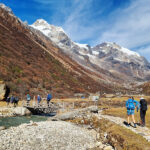
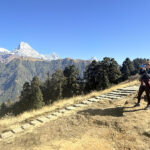
The trail involves long, quiet walking days through forests, suspension bridges, remote valleys, and glaciers. Compared to Everest Base Camp or Annapurna Base Camp, the terrain is more demanding and less developed. While physically and mentally challenging, the reward lies in unmatched solitude and dramatic scenery.
Accommodation
Accommodation consists of simple teahouses or homestays, usually with shared rooms. As altitude increases, electricity becomes limited and charging options may be unavailable, so trekkers should plan accordingly.
Food
Meals are basic but nourishing, typically including dal bhat, noodles, soups, potatoes, and rice-based dishes. Food options become limited at higher elevations, yet the meals provide essential energy for demanding trekking days.
Scenery
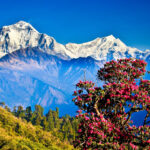
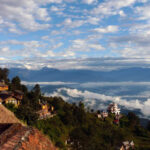
The Kanchenjunga region offers breathtaking, untouched landscapes, including views of both North and South Base Camps, massive glaciers, alpine valleys, and towering peaks. Sunrise and sunset views feel especially magical due to the absence of crowds. The best trekking months range from March to November, with spring and autumn offering the clearest skies.
What You Should Not Expect
-
Reliable Wi-Fi or mobile network coverage
-
Crowded teahouses or busy evenings
-
Well-maintained or frequently used trails
-
Unlimited food supplies
-
Predictable weather conditions
-
Daily hot showers
Pros and Cons of the Kanchenjunga Trek
Advantages
-
One of Nepal’s most remote trekking routes
-
Close-up views of Mt. Kanchenjunga (8,586 m)
-
Diverse landscapes within the Kanchenjunga Conservation Area
-
Authentic Rai, Limbu, and Tibetan-influenced villages
-
Ideal for trekkers seeking raw, off-the-beaten-path exploration
-
Strong sense of achievement due to difficulty and duration
Challenges
-
Long trekking duration (20–25 days)
-
Licensed guide and special permits required
-
Basic accommodation and food
-
Physically demanding terrain
-
Weather-related delays possible
Why the Kanchenjunga Trek Is Worth the Effort
Unmatched Solitude
Unlike Everest or Annapurna, Kanchenjunga sees fewer than 1,000 trekkers per year. This allows days of peaceful walking without encountering other groups, creating a deep sense of immersion in nature.
Spectacular Mountain Views
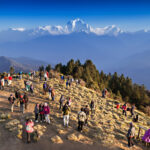
Trekkers enjoy dramatic views of Kanchenjunga, Jannu (Kumbhakarna), Kabru, and surrounding peaks from both base camps. Sunrise and sunset views over these giants feel deeply personal due to the silence and space.
Authentic Cultural Encounters
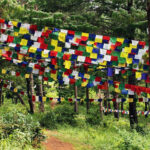
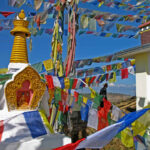
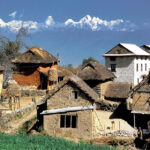
The region is home to Rai, Limbu, and Tibetan-influenced communities. Stone houses, prayer flags, monasteries, mani walls, and chortens reflect a spiritual lifestyle untouched by mass tourism.
A True Himalayan Expedition
Long days, rugged terrain, and limited facilities make this trek challenging. However, these same factors transform it into a deeply fulfilling adventure for trekkers seeking something real and meaningful.
Location of the Kanchenjunga Trek
The Kanchenjunga Trek lies in Taplejung District of eastern Nepal, within the Kanchenjunga Conservation Area (KCA). Access typically involves a flight or long drive to Bhadrapur, followed by several days of travel through remote hilly terrain, which helps preserve the region’s pristine character.
Kanchenjunga vs Everest and Annapurna: Why Fewer Crowds Matter
Everest Base Camp and Annapurna attract tens of thousands of trekkers annually, resulting in crowded trails, busy lodges, and a semi-urban trekking experience.
In contrast, Kanchenjunga offers:
-
Quiet trails
-
Authentic village life
-
Untouched landscapes
-
Better wildlife sightings
-
A stronger sense of exploration
For trekkers who find popular routes too crowded, Kanchenjunga provides a refreshing alternative.
Wildlife and Biodiversity in Kanchenjunga Conservation Area
The Kanchenjunga Conservation Area spans elevations from 1,200 m to 8,586 m, creating diverse ecosystems. The region protects over 2,000 species of flowering plants, including rare orchids and rhododendrons.
Wildlife highlights include:
-
Snow leopard
-
Red panda
-
Himalayan black bear
-
Musk deer
-
Danphe (Nepal’s national bird)
Community-based conservation allows local people to actively protect forests and wildlife.
Kanchenjunga Trek Difficulty Level
The Kanchenjunga Trek is considered hard and strenuous, even more demanding than Everest Base Camp or Annapurna Circuit. Trekkers walk 6–8 hours daily, sometimes longer, while spending many days above 4,000 meters.
Risks include altitude sickness, fatigue, dehydration, and cold weather. Proper acclimatization, strong physical fitness, and mental preparedness are essential. Weather conditions can change rapidly, so quality gear and flexibility are crucial.
Permit Requirements for Kanchenjunga Trek
As a restricted trekking area, Kanchenjunga requires:
-
Restricted Area Permit (RAP)
-
Kanchenjunga Conservation Area Permit (KCAP)
-
Mandatory licensed guide
-
Minimum of two trekkers
Independent trekking is not allowed, helping preserve the region’s environment and culture.
Sustainable and Responsible Trekking
Responsible trekking in Kanchenjunga means respecting nature and local communities. Staying on marked trails, avoiding pollution, supporting local lodges, and respecting customs help preserve this fragile region for future generations.
Why Choose the Kanchenjunga Trek in 2026–2027?
The Kanchenjunga Trek 2026–2027 is perfect for trekkers seeking a quiet, challenging, and deeply immersive Himalayan experience. With clear autumn skies, blooming spring landscapes, rich culture, and dramatic mountain views, this trek offers something truly rare in today’s trekking world—authentic adventure.
If you are ready to step away from crowds and into the untouched heart of the Himalayas, Kanchenjunga is one of Nepal’s most powerful trekking experiences.
Recent Posts